
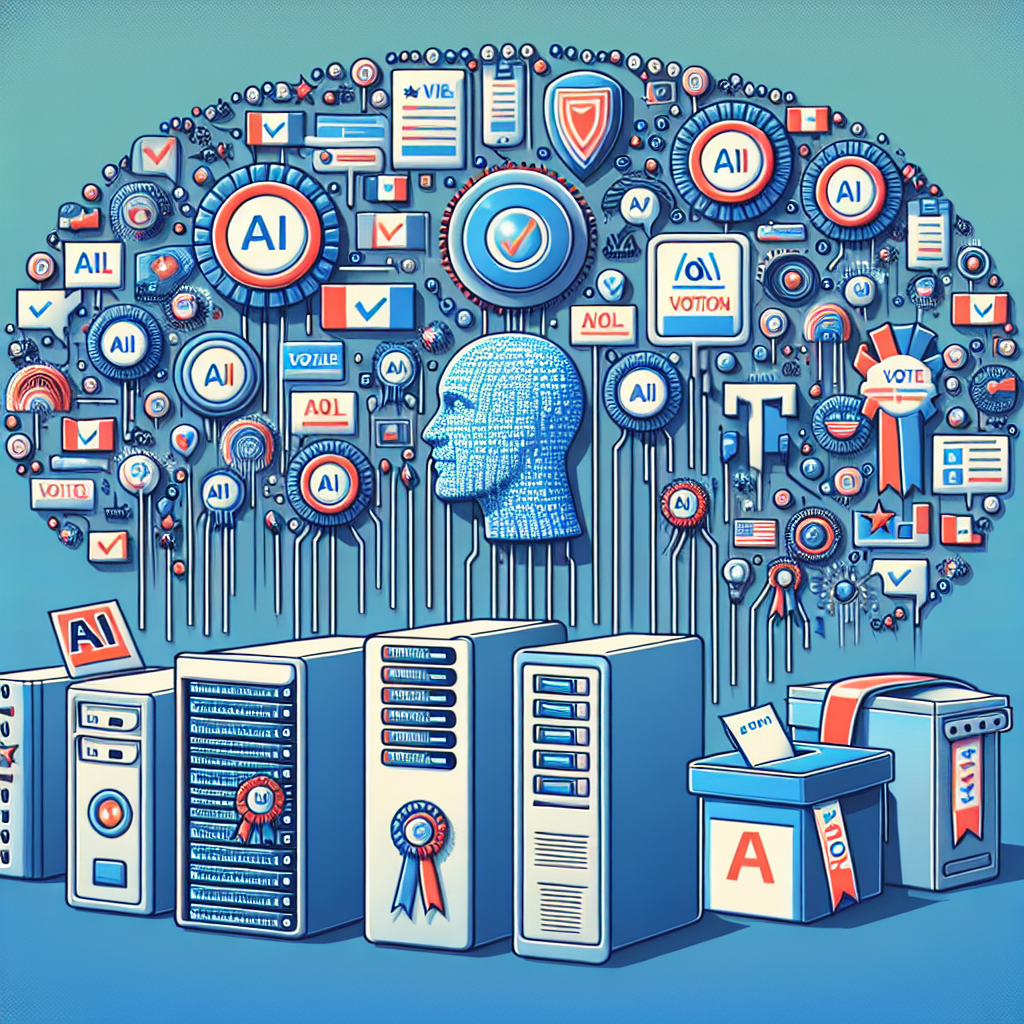
Artificial intelligence (AI) has become an increasingly prevalent tool in the realm of political campaigns. AI platforms have the ability to analyze vast amounts of data, identify trends and patterns, and make predictions about voter behavior. This technology has revolutionized the way political campaigns are run, allowing candidates to target specific groups of voters with personalized messaging and maximize their chances of success.
The Role of AI Platforms in Political Campaigns
AI platforms play a crucial role in political campaigns by providing valuable insights and tools that can help candidates better understand their target audience and tailor their messaging accordingly. Here are some key ways in which AI platforms are being used in political campaigns:
1. Voter Targeting: AI platforms can analyze voter data from various sources, such as social media, voter registration records, and polling data, to identify potential supporters and undecided voters. This information allows campaigns to target their messaging more effectively and reach out to specific groups of voters with tailored messages that are more likely to resonate with them.
2. Predictive Analytics: AI platforms can use predictive analytics to forecast voter behavior and trends, allowing campaigns to make data-driven decisions about where to allocate resources and focus their efforts. By analyzing historical data and current trends, AI platforms can help campaigns identify potential swing voters and prioritize outreach efforts to maximize their impact.
3. Message Optimization: AI platforms can analyze the effectiveness of different messaging strategies and help campaigns optimize their messaging to resonate with voters. By testing different messages and analyzing responses, AI platforms can help campaigns identify which messages are most effective and adjust their messaging accordingly to maximize impact.
4. Social Media Monitoring: AI platforms can monitor social media platforms in real-time to track conversations, trends, and sentiment related to the campaign. This information can help campaigns understand how voters are responding to their messaging and adjust their strategies accordingly. By monitoring social media, campaigns can also identify potential issues or controversies that may arise and respond quickly to mitigate any negative impact.
5. Fundraising: AI platforms can help campaigns identify potential donors and create targeted fundraising campaigns to maximize donations. By analyzing donor data and predicting donor behavior, AI platforms can help campaigns tailor their fundraising efforts to reach out to the most likely donors and maximize their fundraising potential.
FAQs:
Q: How do AI platforms gather voter data?
A: AI platforms gather voter data from various sources, including social media, voter registration records, polling data, and public records. This data is then analyzed and processed to identify trends and patterns that can help campaigns target specific groups of voters with personalized messaging.
Q: Are AI platforms ethical in political campaigns?
A: The use of AI platforms in political campaigns raises ethical concerns, particularly around data privacy and manipulation. It is important for campaigns to be transparent about how they are using AI platforms and to ensure that they are following ethical guidelines and regulations when using voter data.
Q: Can AI platforms predict election outcomes?
A: While AI platforms can use predictive analytics to forecast voter behavior and trends, they cannot predict election outcomes with certainty. There are many factors that can influence election outcomes, and AI platforms can only provide insights and predictions based on the data available at the time.
Q: How are AI platforms regulated in political campaigns?
A: AI platforms in political campaigns are subject to regulations around data privacy, transparency, and fairness. Campaigns must ensure that they are following ethical guidelines and regulations when using AI platforms and handling voter data to protect the integrity of the electoral process.
In conclusion, AI platforms play a crucial role in political campaigns by providing valuable insights and tools that can help candidates better understand their target audience, tailor their messaging, and maximize their chances of success. While the use of AI in political campaigns raises ethical concerns, when used responsibly and ethically, AI platforms can be a powerful tool for campaigns to reach out to voters, optimize their messaging, and make data-driven decisions.