
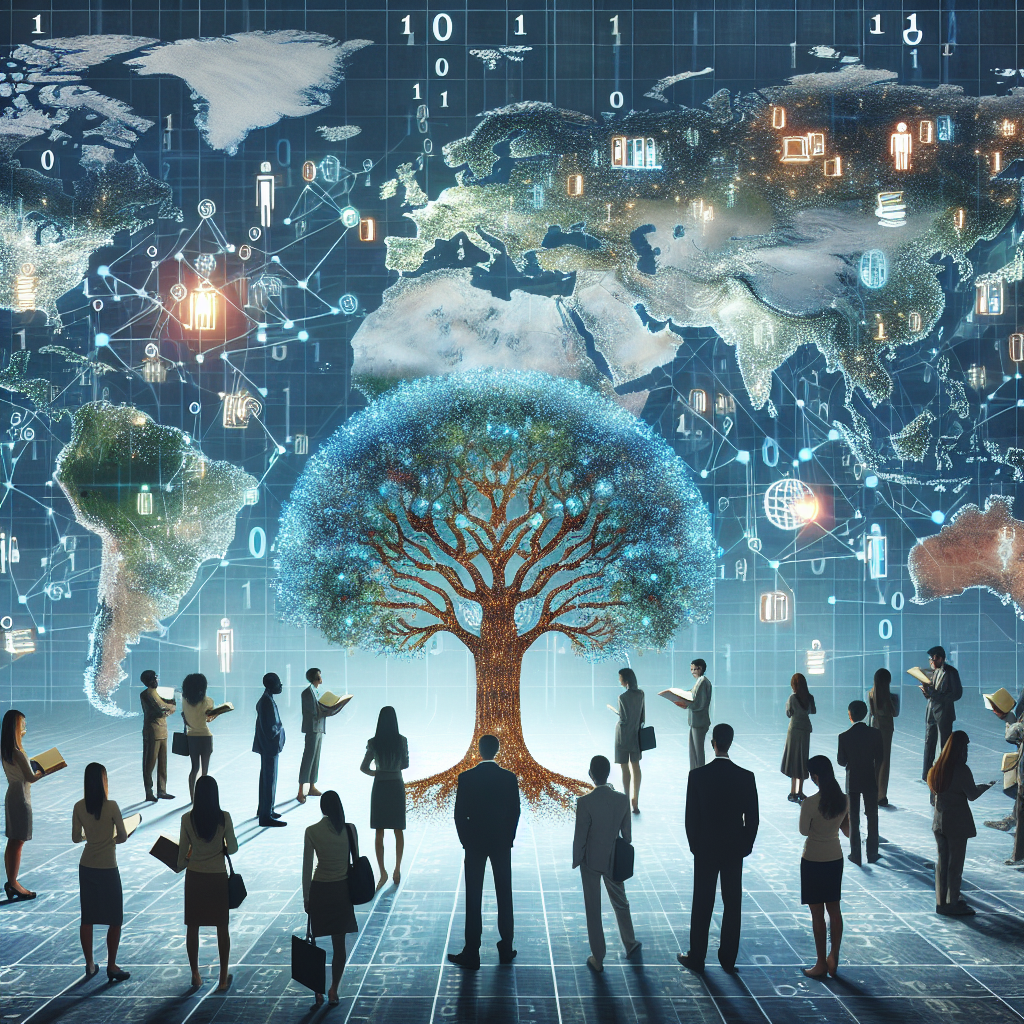
The Role of Education in AI Democratization
Artificial Intelligence (AI) is transforming industries, revolutionizing the way we work, communicate, and live. AI technologies such as machine learning, natural language processing, and computer vision are becoming increasingly prevalent in our daily lives, from virtual assistants like Siri and Alexa to self-driving cars and personalized recommendations on streaming platforms. However, despite the rapid advancements in AI, there is a significant gap in access to AI technologies and expertise, often referred to as the “AI divide.” This gap is largely due to the lack of education and training in AI, which hinders the democratization of AI and limits its potential benefits for society as a whole.
Education plays a crucial role in democratizing AI by equipping individuals with the skills and knowledge needed to understand, develop, and utilize AI technologies. By providing accessible and inclusive education in AI, we can empower people from diverse backgrounds and communities to participate in the AI revolution, drive innovation, and address societal challenges. In this article, we will explore the importance of education in AI democratization, the current state of AI education, and potential ways to bridge the AI divide through educational initiatives.
The Importance of Education in AI Democratization
AI has the potential to bring about transformative changes in various sectors, including healthcare, finance, transportation, and education. However, the benefits of AI are not evenly distributed, with certain groups having greater access to AI technologies and opportunities than others. This inequality in access to AI can exacerbate existing social and economic disparities, widening the gap between those who have the knowledge and resources to harness the power of AI and those who do not.
Education is a key enabler of AI democratization, as it provides individuals with the skills and expertise needed to navigate the complex world of AI. By offering education in AI, we can empower people to understand how AI technologies work, how they can be applied in different contexts, and how they can contribute to the development of AI solutions. Education in AI also fosters critical thinking, creativity, and problem-solving skills, which are essential for innovation and entrepreneurship in the AI field.
Furthermore, education in AI can help address the ethical and societal implications of AI technologies, such as bias, privacy, and accountability. By educating individuals about the ethical considerations of AI, we can promote responsible AI development and deployment, ensuring that AI technologies are used in a fair and transparent manner. Education in AI can also raise awareness about the potential risks and challenges associated with AI, encouraging informed decision-making and public debate on AI-related issues.
The Current State of AI Education
While the demand for AI expertise is on the rise, the supply of qualified AI professionals is limited, highlighting the need for comprehensive AI education initiatives. In recent years, there has been a growing interest in AI education, with universities, online platforms, and organizations offering a wide range of AI courses, programs, and resources. These educational initiatives cover various topics in AI, including machine learning, deep learning, reinforcement learning, and AI ethics, catering to learners with different backgrounds and interests.
Universities play a significant role in AI education, offering degree programs in AI, machine learning, and related fields. These programs provide students with a solid foundation in AI theory and practice, equipping them with the skills and knowledge needed to pursue careers in AI research, development, and application. Universities also conduct cutting-edge research in AI, contributing to the advancement of AI technologies and the dissemination of AI knowledge to the broader community.
In addition to traditional university programs, online platforms such as Coursera, edX, and Udacity have emerged as important players in AI education, offering a wide range of AI courses and specializations. These online courses provide flexible and accessible learning opportunities for individuals who may not have access to traditional educational resources. Online platforms also enable learners to stay up-to-date with the latest trends and developments in AI, allowing them to enhance their skills and expertise in a rapidly evolving field.
Furthermore, organizations and AI companies are also investing in AI education initiatives, offering training programs, workshops, and hackathons to educate individuals about AI technologies and applications. These initiatives aim to bridge the AI divide by providing hands-on experience and mentorship in AI, empowering participants to develop AI solutions and projects. By engaging with industry professionals and researchers, participants can gain valuable insights into the practical aspects of AI and build a network of peers and mentors in the AI community.
Ways to Democratize AI through Education
To democratize AI and bridge the AI divide, it is essential to expand and enhance educational initiatives in AI, making them more accessible, inclusive, and impactful. Here are some potential ways to democratize AI through education:
1. Increase Access to AI Education: One of the key challenges in AI education is the lack of access to quality educational resources, particularly in underserved communities and developing countries. To address this issue, we need to expand access to AI education by offering online courses, tutorials, and learning materials in multiple languages and formats. By making AI education more accessible, we can reach a wider audience and empower individuals from diverse backgrounds to learn about AI.
2. Foster Diversity and Inclusion in AI Education: Diversity and inclusion are essential for democratizing AI and promoting innovation and creativity in the field. To foster diversity and inclusion in AI education, we need to create inclusive learning environments that welcome individuals from different cultural, social, and educational backgrounds. We also need to promote diversity in AI research and development, ensuring that AI technologies reflect the needs and values of diverse communities.
3. Provide Hands-On Learning Opportunities: Hands-on learning is essential for gaining practical experience and skills in AI. To democratize AI, we need to provide hands-on learning opportunities, such as project-based assignments, hackathons, and internships, that allow individuals to apply their knowledge and skills in real-world settings. By engaging with AI projects and challenges, learners can develop critical thinking, problem-solving, and teamwork skills, enhancing their readiness for careers in AI.
4. Promote Lifelong Learning in AI: AI is a rapidly evolving field, with new technologies, algorithms, and applications emerging on a regular basis. To keep pace with the latest developments in AI, individuals need to engage in lifelong learning and continuous education in AI. By promoting lifelong learning in AI, we can empower individuals to stay updated with the latest trends and advancements in AI, enabling them to adapt to changing industry demands and opportunities.
5. Collaborate with Industry and Academia: Collaboration between industry and academia is essential for advancing AI education and research. By partnering with AI companies, research institutions, and government agencies, educational institutions can gain access to cutting-edge AI technologies, expertise, and resources. Collaborations can also facilitate the development of AI curricula, training programs, and research projects that address industry needs and societal challenges.
FAQs
Q: What is AI democratization?
A: AI democratization refers to the process of making AI technologies and expertise accessible and inclusive to individuals from diverse backgrounds and communities. By democratizing AI, we can empower people to participate in the AI revolution, drive innovation, and address societal challenges.
Q: Why is education important in AI democratization?
A: Education plays a crucial role in AI democratization by equipping individuals with the skills and knowledge needed to understand, develop, and utilize AI technologies. By providing accessible and inclusive education in AI, we can empower people to participate in the AI revolution and drive innovation.
Q: How can I learn AI?
A: There are various ways to learn AI, including university programs, online courses, tutorials, and hands-on projects. You can start by exploring AI courses on platforms like Coursera, edX, and Udacity, or by attending AI workshops and hackathons in your community.
Q: What are the benefits of AI education?
A: AI education can provide you with the skills and expertise needed to navigate the complex world of AI, understand how AI technologies work, and apply them in different contexts. AI education can also foster critical thinking, creativity, and problem-solving skills, which are essential for innovation and entrepreneurship in the AI field.
Q: How can I contribute to AI democratization?
A: You can contribute to AI democratization by participating in AI education initiatives, promoting diversity and inclusion in AI, and engaging in lifelong learning in AI. By enhancing your knowledge and skills in AI, you can empower yourself and others to harness the power of AI for positive societal impact.