
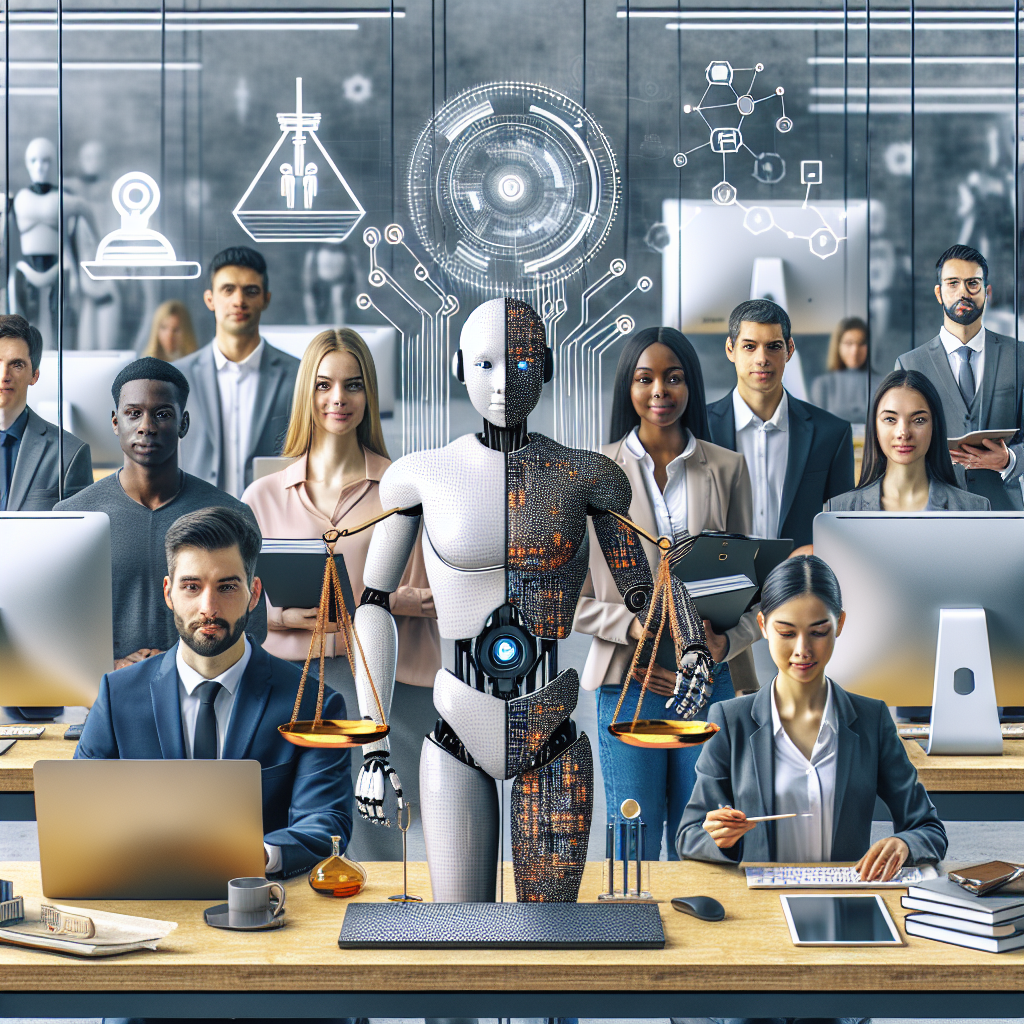
In recent years, the field of artificial intelligence (AI) has seen tremendous growth and development. From self-driving cars to facial recognition technology, AI is increasingly becoming a part of our daily lives. However, as AI becomes more advanced and ubiquitous, questions about its ethical implications and impact on society have also surfaced.
Ethics in AI development is a crucial consideration for engineers and developers working in the field. As creators of AI systems, they have the power to shape how these technologies are designed, implemented, and used. In this article, we will explore the role of ethics in AI development and provide a guide for engineers and developers on how to navigate this complex and evolving landscape.
The Importance of Ethics in AI Development
Ethics in AI development is important for several key reasons. First and foremost, AI systems have the potential to significantly impact individuals and society as a whole. From healthcare to finance to criminal justice, AI is being used in a wide range of applications that have real-world consequences. It is essential that engineers and developers consider the ethical implications of their work to ensure that AI technologies are used in a responsible and ethical manner.
Second, ethics in AI development is important for building trust and public acceptance of AI technologies. Many people are wary of AI and its potential to replace human workers, invade privacy, and perpetuate bias and discrimination. By incorporating ethical considerations into the development process, engineers and developers can help to build trust and confidence in AI systems.
Finally, ethics in AI development is important for ensuring that AI technologies adhere to legal and regulatory requirements. As AI becomes more widespread, governments around the world are enacting laws and regulations to govern its use. Engineers and developers must consider ethical principles and standards to ensure that their AI systems comply with these regulations and do not violate individuals’ rights or harm society.
Key Ethical Considerations in AI Development
There are several key ethical considerations that engineers and developers should keep in mind when developing AI systems. These include:
1. Transparency and Accountability: AI systems should be transparent in their decision-making processes and developers should be able to explain how their algorithms work. Additionally, developers should take responsibility for the outcomes of their AI systems and be held accountable for any harm caused by their technology.
2. Fairness and Bias: AI systems have the potential to perpetuate bias and discrimination if not carefully designed and implemented. Developers should strive to ensure that their AI systems are fair and unbiased, and should take steps to mitigate any potential biases in their algorithms.
3. Privacy and Data Security: AI systems often rely on large amounts of data to function effectively. Developers should take steps to protect individuals’ privacy and ensure that their data is secure and used appropriately.
4. Safety and Reliability: AI systems should be designed with safety in mind to prevent accidents and harm to individuals. Developers should rigorously test their AI systems to ensure that they are reliable and can be trusted to make decisions autonomously.
5. Human Values and Ethical Standards: Developers should consider the impact of their AI systems on human values and ethical standards. AI systems should be designed to align with societal values and should not violate ethical principles or human rights.
Guidelines for Ethical AI Development
To help engineers and developers navigate the complex ethical landscape of AI development, several organizations have developed guidelines and frameworks for ethical AI development. One such framework is the IEEE Global Initiative for Ethical Considerations in Artificial Intelligence and Autonomous Systems, which outlines a set of principles and practices for ethical AI development.
Some key guidelines for ethical AI development include:
1. Design for Human Values: Engineers and developers should design AI systems that prioritize human values such as fairness, transparency, accountability, and privacy. AI systems should be aligned with societal values and should respect individuals’ rights and dignity.
2. Ensure Accountability and Transparency: Developers should ensure that their AI systems are accountable for their decisions and actions. AI systems should be transparent in their decision-making processes and developers should be able to explain how their algorithms work.
3. Mitigate Bias and Discrimination: Developers should take steps to mitigate bias and discrimination in their AI systems. This includes conducting bias assessments, using diverse datasets, and implementing fairness measures to ensure that their AI systems are fair and unbiased.
4. Protect Privacy and Data Security: Developers should prioritize the protection of individuals’ privacy and data security. AI systems should be designed with privacy in mind, and developers should take steps to ensure that individuals’ data is secure and used appropriately.
5. Ensure Safety and Reliability: Developers should design AI systems with safety in mind to prevent accidents and harm to individuals. AI systems should be reliable and trustworthy, and developers should rigorously test their systems to ensure their safety and reliability.
Frequently Asked Questions (FAQs)
Q: What is the role of ethics in AI development?
A: Ethics in AI development is important for ensuring that AI systems are designed, implemented, and used in a responsible and ethical manner. Engineers and developers have a responsibility to consider the ethical implications of their work and to ensure that their AI systems align with societal values and human rights.
Q: How can engineers and developers incorporate ethics into AI development?
A: Engineers and developers can incorporate ethics into AI development by following guidelines and frameworks for ethical AI development, such as those outlined by the IEEE Global Initiative for Ethical Considerations in Artificial Intelligence and Autonomous Systems. They should prioritize human values, ensure accountability and transparency, mitigate bias and discrimination, protect privacy and data security, and ensure safety and reliability in their AI systems.
Q: What are some common ethical considerations in AI development?
A: Some common ethical considerations in AI development include transparency and accountability, fairness and bias, privacy and data security, safety and reliability, and human values and ethical standards. Developers should consider these ethical considerations when designing and implementing AI systems to ensure that their technology is used in a responsible and ethical manner.
Q: Why is ethics in AI development important?
A: Ethics in AI development is important for several key reasons. It helps to ensure that AI systems are used in a responsible and ethical manner, builds trust and public acceptance of AI technologies, and ensures that AI systems comply with legal and regulatory requirements. By considering ethical principles and standards, engineers and developers can help to shape the future of AI in a positive and ethical way.
In conclusion, ethics in AI development is a critical consideration for engineers and developers working in the field. By prioritizing human values, ensuring accountability and transparency, mitigating bias and discrimination, protecting privacy and data security, and ensuring safety and reliability, developers can help to build trust and confidence in AI technologies and ensure that their AI systems are used in a responsible and ethical manner. By following guidelines and frameworks for ethical AI development, engineers and developers can help to shape the future of AI in a positive and ethical way.