
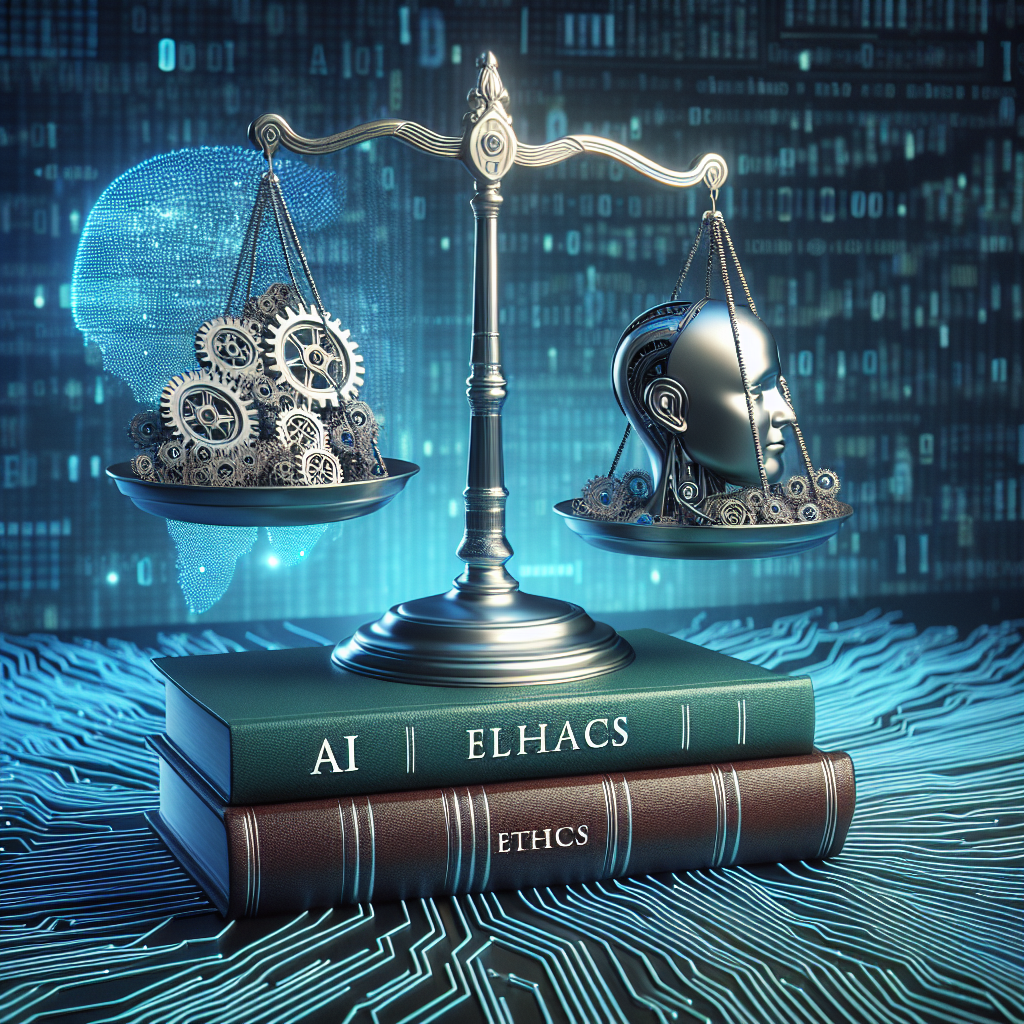
The Role of Ethics in AI Regulation and Governance
Artificial Intelligence (AI) has the potential to revolutionize industries, improve efficiency, and enhance our daily lives. However, the rapid advancement of AI technology also raises concerns about its ethical implications. As AI becomes more sophisticated and integrated into various aspects of society, it is crucial to establish regulations and governance frameworks that ensure its responsible and ethical use.
Ethics in AI regulation and governance play a critical role in addressing the potential risks and challenges associated with AI technology. By setting ethical guidelines and standards, policymakers can ensure that AI systems are developed and deployed in a way that prioritizes human well-being, fairness, transparency, and accountability.
The Importance of Ethics in AI Regulation and Governance
Ethics in AI regulation and governance are essential for several reasons:
1. Ensuring Human Well-being: AI systems have the potential to impact human lives in significant ways, from healthcare to transportation to finance. Ethical guidelines help ensure that AI technologies prioritize the well-being and safety of individuals and communities.
2. Promoting Fairness and Equity: AI systems can perpetuate biases and discrimination if not properly regulated. Ethical guidelines can help promote fairness and equity in AI systems by addressing issues such as algorithmic bias and discrimination.
3. Enhancing Transparency and Accountability: AI systems are often complex and opaque, making it difficult to understand how decisions are made. Ethical guidelines can promote transparency and accountability in AI systems by requiring developers to explain their algorithms and decision-making processes.
4. Building Trust: Trust is crucial for the widespread adoption of AI technologies. Ethical regulations and governance frameworks can help build trust among users, policymakers, and the public by ensuring that AI systems are developed and deployed responsibly.
Regulating AI: Challenges and Opportunities
Regulating AI presents several challenges and opportunities for policymakers. On the one hand, the rapid pace of AI innovation makes it difficult for regulations to keep up with the technology. On the other hand, ethical regulations and governance frameworks can help shape the development of AI technology in a way that benefits society.
One of the key challenges in regulating AI is the lack of a universal definition of what constitutes ethical AI. Different stakeholders may have varying perspectives on what ethical AI looks like, making it challenging to establish consistent regulations. Additionally, AI technologies are often developed and deployed across borders, making it difficult to create regulations that are effective on a global scale.
Despite these challenges, there are opportunities for policymakers to establish ethical regulations and governance frameworks that promote the responsible development and deployment of AI technology. For example, policymakers can work with stakeholders from industry, academia, and civil society to develop ethical guidelines that address key issues such as bias, transparency, and accountability. By collaborating with a diverse range of stakeholders, policymakers can ensure that regulations are informed by a broad range of perspectives and expertise.
FAQs
Q: What are some examples of ethical issues in AI?
A: Some examples of ethical issues in AI include algorithmic bias, privacy concerns, job displacement, and the potential for autonomous weapons.
Q: How can policymakers address ethical issues in AI?
A: Policymakers can address ethical issues in AI by establishing regulations and governance frameworks that prioritize human well-being, fairness, transparency, and accountability. They can also work with stakeholders to develop ethical guidelines that address key issues such as bias, transparency, and accountability.
Q: What role do stakeholders play in shaping ethical regulations for AI?
A: Stakeholders from industry, academia, and civil society play a crucial role in shaping ethical regulations for AI. By collaborating with a diverse range of stakeholders, policymakers can ensure that regulations are informed by a broad range of perspectives and expertise.
Q: How can AI developers ensure that their technologies are ethically responsible?
A: AI developers can ensure that their technologies are ethically responsible by following ethical guidelines and standards, prioritizing human well-being, fairness, transparency, and accountability in the development and deployment of AI systems.
Q: What are some potential benefits of ethical regulations and governance frameworks for AI?
A: Some potential benefits of ethical regulations and governance frameworks for AI include promoting human well-being, fairness, transparency, and accountability in AI systems, building trust among users, policymakers, and the public, and shaping the development of AI technology in a way that benefits society.