
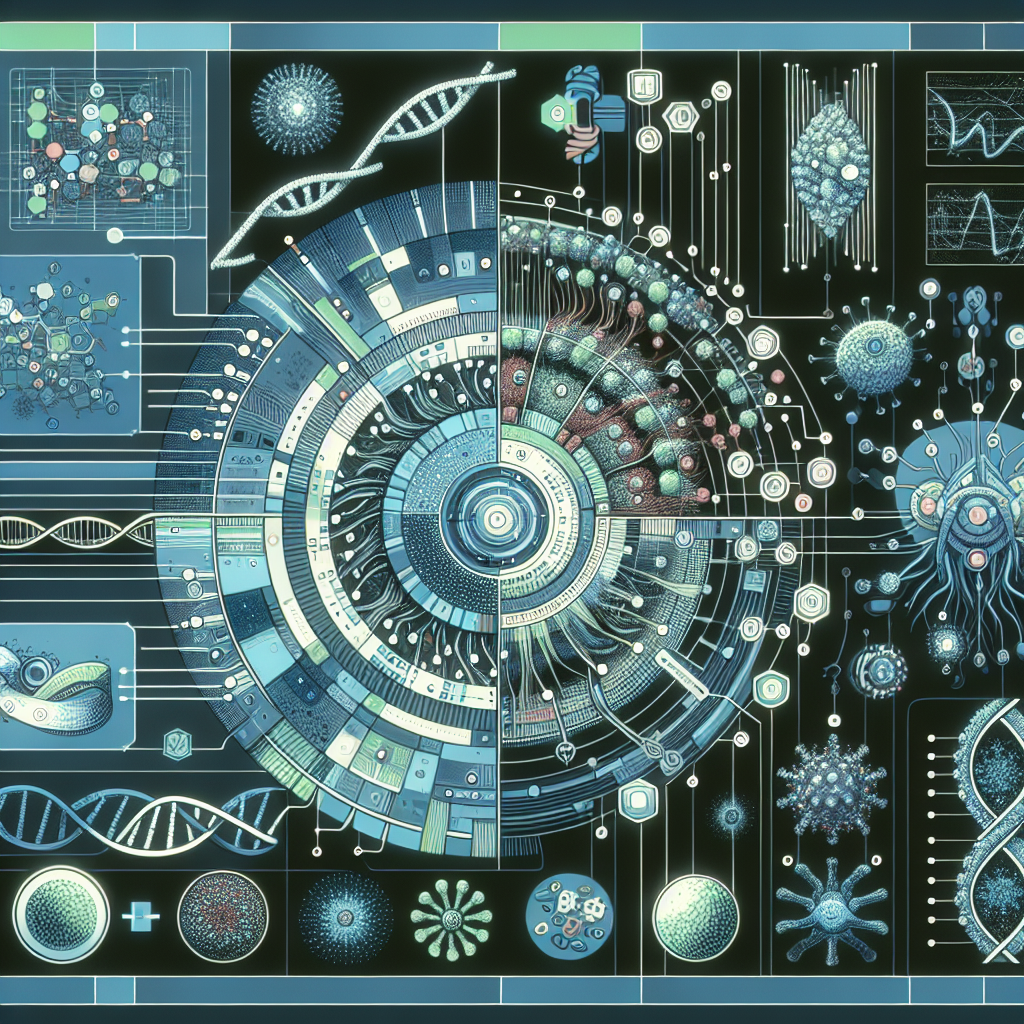
Generative artificial intelligence (AI) has been revolutionizing many industries, including healthcare. One area where generative AI has shown great promise is in disease diagnosis. By analyzing large amounts of data and generating new information, generative AI can help healthcare professionals make more accurate and timely diagnoses, leading to improved patient outcomes.
What is Generative AI?
Generative AI refers to a type of artificial intelligence that is capable of creating new content, such as images, texts, or even music, based on patterns it has learned from existing data. This is in contrast to discriminative AI, which focuses on categorizing data into predefined classes.
Generative AI works by using algorithms to learn the underlying patterns and relationships within a dataset. It then uses this knowledge to generate new data that is similar to the original dataset. This can be particularly useful in healthcare, where large amounts of data are collected from patients, such as medical images, lab results, and patient records.
How Generative AI is used in Disease Diagnosis
Generative AI has the potential to transform disease diagnosis by analyzing complex datasets and generating new insights that can aid healthcare professionals in making accurate diagnoses. Here are some ways in which generative AI is being used in disease diagnosis:
1. Medical Imaging Analysis: Generative AI can analyze medical images, such as X-rays, MRIs, and CT scans, to identify patterns or abnormalities that may not be visible to the human eye. This can help radiologists and other healthcare professionals make more accurate diagnoses and treatment decisions.
2. Genetic Data Analysis: Generative AI can analyze genetic data to identify potential genetic markers or mutations that may be associated with certain diseases. This can help researchers and clinicians better understand the genetic basis of diseases and develop more targeted treatments.
3. Electronic Health Record Analysis: Generative AI can analyze electronic health records to identify patterns or trends in patient data that may be indicative of certain diseases. This can help healthcare providers identify at-risk patients and intervene early to prevent or manage disease.
4. Drug Discovery: Generative AI can be used to generate new drug candidates based on existing data on the structure and function of molecules. This can expedite the drug discovery process and lead to the development of new treatments for diseases.
Benefits of Generative AI in Disease Diagnosis
There are several benefits to using generative AI in disease diagnosis:
1. Improved Accuracy: Generative AI can analyze large amounts of data and identify patterns or abnormalities that may be missed by human clinicians. This can lead to more accurate diagnoses and better treatment decisions.
2. Faster Diagnosis: Generative AI can analyze data quickly and efficiently, leading to faster diagnoses and treatment plans. This can be especially important in cases where early intervention is critical for patient outcomes.
3. Personalized Medicine: Generative AI can analyze patient data to identify personalized treatment options based on an individual’s genetic makeup, medical history, and other factors. This can lead to more targeted and effective treatments for patients.
4. Cost-Effective: Generative AI can help healthcare providers make more informed decisions about patient care, leading to more efficient use of resources and potentially reducing healthcare costs in the long run.
Challenges of Generative AI in Disease Diagnosis
While generative AI has great potential in disease diagnosis, there are also some challenges that need to be addressed:
1. Data Quality: Generative AI relies on high-quality data to generate accurate results. If the data used is incomplete, biased, or of poor quality, the AI may generate inaccurate or unreliable information.
2. Interpretability: Generative AI models are often complex and difficult to interpret, making it challenging for healthcare professionals to understand how the AI arrived at a particular diagnosis or recommendation.
3. Privacy and Security: Generative AI requires access to large amounts of patient data, raising concerns about privacy and security. Healthcare organizations must ensure that patient data is protected and used responsibly.
4. Regulatory Approval: Generative AI models used in disease diagnosis must meet regulatory standards for safety and efficacy. Obtaining regulatory approval can be a lengthy and costly process.
FAQs about Generative AI in Disease Diagnosis
Q: How is generative AI different from other types of AI?
A: Generative AI is unique in its ability to create new data based on patterns learned from existing data. This sets it apart from other types of AI, such as discriminative AI, which focuses on categorizing data into predefined classes.
Q: Can generative AI replace human clinicians in disease diagnosis?
A: Generative AI is not meant to replace human clinicians but rather to assist them in making more accurate and timely diagnoses. Healthcare professionals will still play a crucial role in interpreting the AI-generated information and making treatment decisions.
Q: How can healthcare organizations ensure the ethical use of generative AI in disease diagnosis?
A: Healthcare organizations must establish clear guidelines and protocols for the ethical use of generative AI, including ensuring patient data privacy and security, obtaining informed consent from patients, and regularly auditing AI algorithms for bias or inaccuracies.
Q: What are some examples of generative AI applications in disease diagnosis?
A: Some examples of generative AI applications in disease diagnosis include analyzing medical images to detect tumors or abnormalities, predicting patient outcomes based on electronic health records, and generating new drug candidates for the treatment of diseases.
In conclusion, generative AI has the potential to revolutionize disease diagnosis by analyzing complex datasets and generating new insights that can aid healthcare professionals in making accurate and timely diagnoses. While there are challenges that need to be addressed, the benefits of using generative AI in disease diagnosis are clear. As the technology continues to advance, we can expect to see more innovative applications of generative AI in healthcare in the future.