
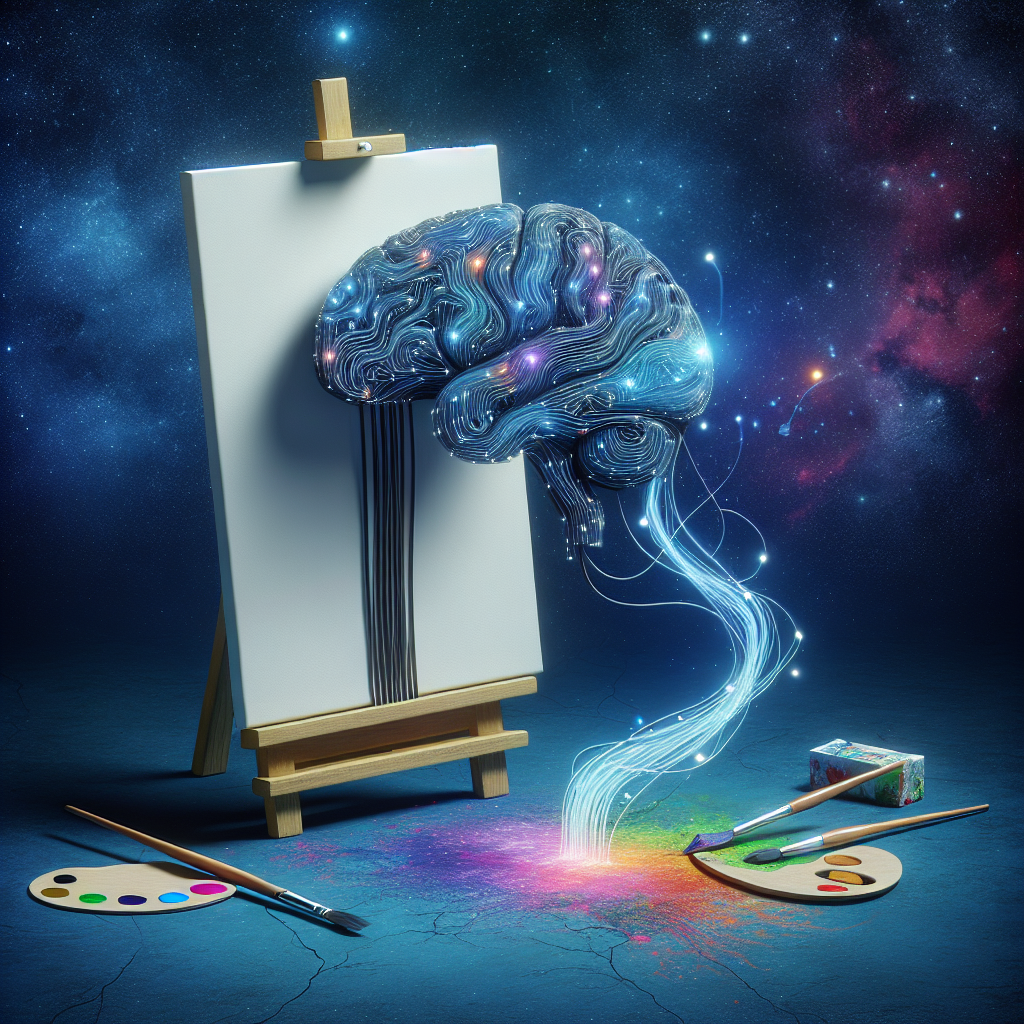
Artificial intelligence (AI) has been making rapid advancements in various industries, and the world of art and creativity is no exception. From generating new ideas to creating visual and auditory masterpieces, AI is revolutionizing the way we think about art and the creative process. In this article, we will explore the use of AI in art and creativity, and how it is pushing the boundaries of what is possible in the world of artistic expression.
AI in Art: A Brief Overview
Artificial intelligence refers to the simulation of human intelligence in machines that are programmed to think and learn like humans. In recent years, AI has made significant strides in the field of art and creativity, enabling artists and creators to explore new possibilities and push the boundaries of traditional artistic practices.
One of the most common uses of AI in art is in the generation of new ideas and concepts. AI algorithms can analyze vast amounts of data and generate new ideas based on patterns and trends that human creators may not have considered. This can be particularly useful for artists looking to break out of creative ruts or explore new directions in their work.
Another area where AI is making a big impact is in the creation of visual art. AI algorithms can analyze existing artworks and generate new pieces based on the style and techniques of famous artists. This can be a valuable tool for artists looking to experiment with different styles or learn from the masters.
AI is also being used in the creation of music and other forms of auditory art. AI algorithms can analyze existing music and generate new compositions based on the patterns and structures found in the original pieces. This can be a valuable tool for musicians looking to explore new genres or experiment with different sounds.
Overall, the use of AI in art and creativity is opening up new possibilities for artists and creators to push the boundaries of what is possible in the world of artistic expression. By harnessing the power of AI, artists can explore new ideas, experiment with different styles, and create truly unique and innovative works of art.
The Future of AI in Art and Creativity
As AI continues to advance and evolve, the possibilities for its use in art and creativity are endless. In the future, we can expect to see even more innovative uses of AI in the world of art, including:
– AI-powered tools for artists: AI algorithms can be used to create tools and software that help artists streamline their creative process and explore new ideas. For example, AI-powered drawing software can help artists generate new sketches based on their existing work, or suggest new color palettes based on the style of a particular artist.
– Collaborations between AI and human artists: In the future, we may see more collaborations between AI algorithms and human artists, where AI is used to generate ideas and concepts that human artists can then develop and expand upon. This can lead to truly unique and innovative works of art that blend the creativity of both man and machine.
– AI-generated virtual reality experiences: AI algorithms can be used to create immersive virtual reality experiences that allow users to explore new worlds and interact with art in new and innovative ways. These experiences can push the boundaries of traditional art forms and create truly immersive and engaging experiences for audiences.
Overall, the future of AI in art and creativity is bright, with endless possibilities for innovation and exploration. By harnessing the power of AI, artists and creators can push the boundaries of what is possible in the world of artistic expression and create truly unique and groundbreaking works of art.
FAQs
Q: Can AI truly be creative?
A: While AI algorithms can generate new ideas and concepts, many argue that true creativity requires human intuition and emotion. However, AI can be a valuable tool for artists looking to explore new ideas and push the boundaries of traditional artistic practices.
Q: Will AI replace human artists?
A: While AI has the potential to revolutionize the world of art and creativity, it is unlikely to replace human artists altogether. Instead, AI can be seen as a tool that artists can use to enhance their creative process and explore new possibilities in their work.
Q: How can artists learn to use AI in their work?
A: There are many resources available for artists looking to learn how to use AI in their work, including online tutorials, workshops, and courses. Artists can also experiment with AI-powered tools and software to explore new ideas and techniques in their work.
Q: What are the ethical implications of using AI in art?
A: The use of AI in art raises important ethical questions, including issues of authorship, ownership, and authenticity. Artists and creators using AI in their work should be mindful of these ethical considerations and strive to create work that is both innovative and respectful of traditional artistic practices.
In conclusion, the use of AI in art and creativity is opening up new possibilities for artists and creators to explore new ideas, experiment with different styles, and push the boundaries of what is possible in the world of artistic expression. By harnessing the power of AI, artists can create truly unique and innovative works of art that push the boundaries of traditional artistic practices and redefine what it means to be creative.