
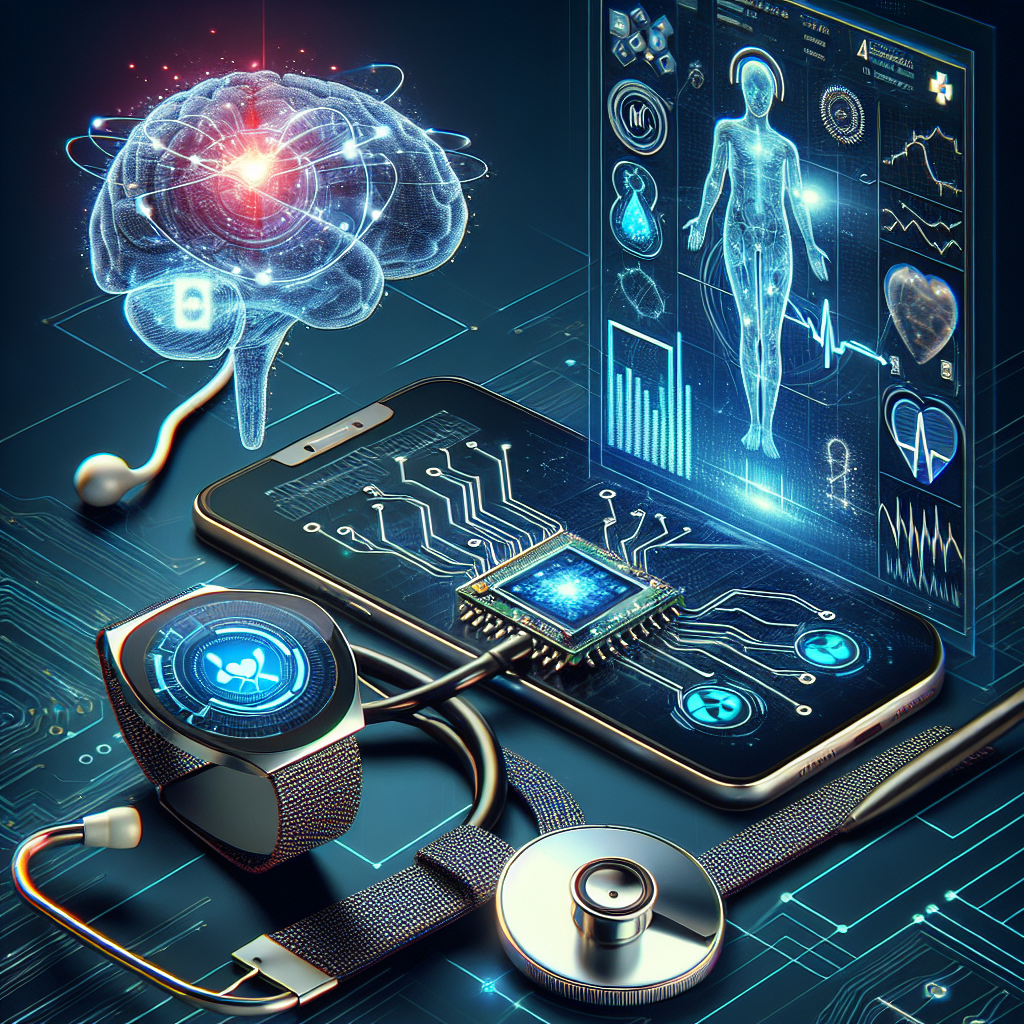
The Use of AI in Health Monitoring Devices
In recent years, there has been a significant increase in the use of artificial intelligence (AI) in health monitoring devices. These devices are revolutionizing the way we track and manage our health, providing real-time data and insights that were previously unavailable. From fitness trackers to smart scales to blood pressure monitors, AI is being integrated into a wide range of devices to help individuals better understand their health and make informed decisions about their well-being.
One of the key benefits of using AI in health monitoring devices is the ability to collect and analyze large amounts of data in real time. This allows for more accurate and personalized health tracking, as the devices can provide insights into trends and patterns that may not be immediately apparent. For example, AI-powered fitness trackers can analyze a person’s exercise habits and recommend personalized workout plans based on their goals and fitness level.
Another major advantage of using AI in health monitoring devices is the ability to detect potential health issues early on. For example, wearable devices equipped with AI algorithms can monitor a person’s heart rate and alert them to any irregularities that may indicate a potential heart condition. This early detection can help individuals seek medical attention sooner, potentially saving lives.
AI is also being used to improve the accuracy of health monitoring devices. For example, smart scales equipped with AI algorithms can provide more accurate measurements of body composition, such as body fat percentage and muscle mass. By using AI to analyze this data, individuals can get a more comprehensive picture of their overall health and make more informed decisions about their diet and exercise routine.
In addition to improving the accuracy of health monitoring devices, AI is also making these devices more user-friendly. Many AI-powered devices come with user-friendly interfaces that make it easy for individuals to track their health data and understand the insights provided by the device. This can help individuals stay motivated and engaged in their health monitoring routine, leading to better overall health outcomes.
FAQs
Q: What types of health monitoring devices are using AI?
A: A wide range of health monitoring devices are using AI, including fitness trackers, smart scales, blood pressure monitors, and sleep trackers. These devices are equipped with AI algorithms that analyze data in real time to provide insights into a person’s health and well-being.
Q: How does AI improve the accuracy of health monitoring devices?
A: AI improves the accuracy of health monitoring devices by analyzing large amounts of data in real time and providing insights into trends and patterns that may not be immediately apparent. This allows for more personalized and accurate health tracking, leading to better overall health outcomes.
Q: Can AI-powered health monitoring devices detect potential health issues early on?
A: Yes, AI-powered health monitoring devices can detect potential health issues early on by monitoring a person’s vital signs and alerting them to any irregularities that may indicate a potential health condition. This early detection can help individuals seek medical attention sooner, potentially saving lives.
Q: Are AI-powered health monitoring devices user-friendly?
A: Yes, many AI-powered health monitoring devices come with user-friendly interfaces that make it easy for individuals to track their health data and understand the insights provided by the device. This can help individuals stay motivated and engaged in their health monitoring routine.
In conclusion, the use of AI in health monitoring devices is revolutionizing the way we track and manage our health. These devices are providing individuals with real-time data and insights that were previously unavailable, allowing for more accurate and personalized health tracking. By using AI to analyze large amounts of data in real time, these devices are improving the accuracy of health monitoring and detecting potential health issues early on. With user-friendly interfaces and personalized recommendations, AI-powered health monitoring devices are helping individuals take control of their health and make informed decisions about their well-being.