
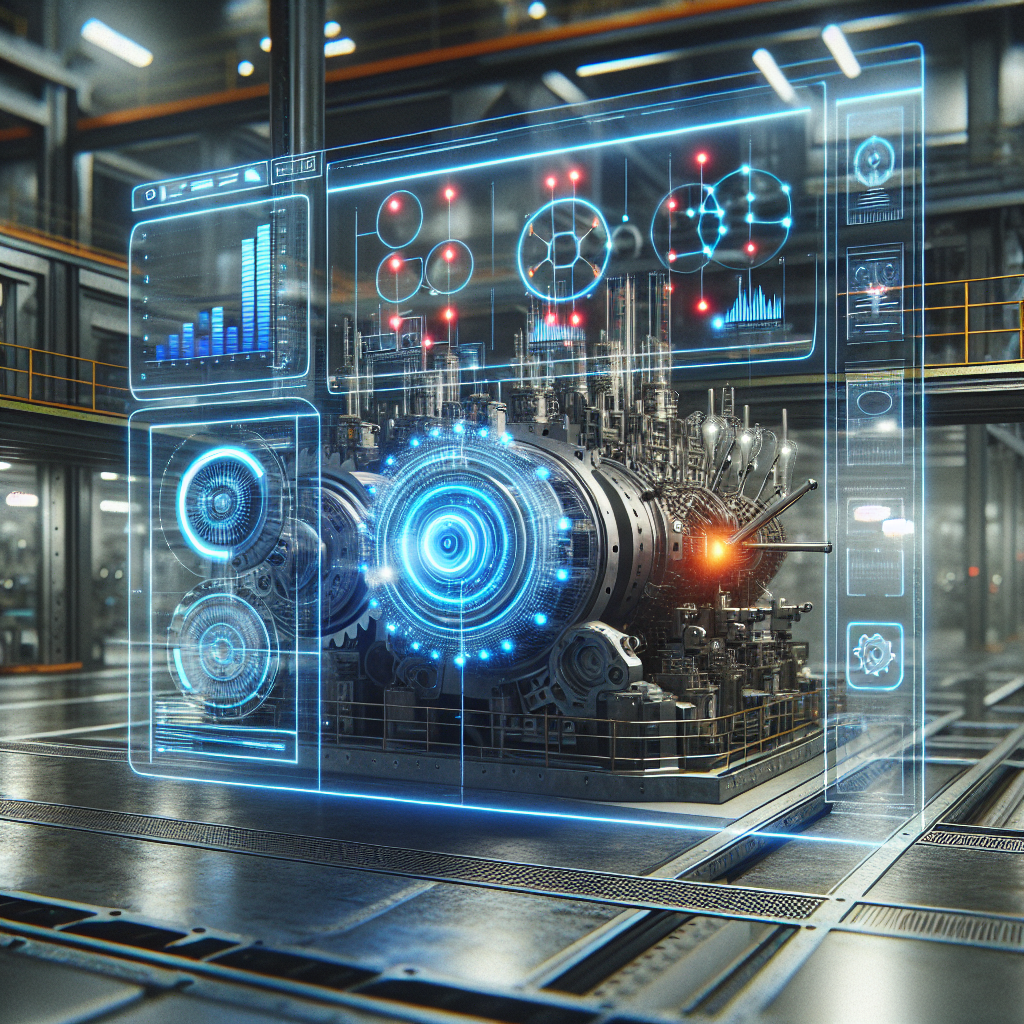
AI for Predictive Maintenance in Industrial Settings
Introduction
In today’s fast-paced industrial environment, equipment downtime can be costly and disruptive. Unplanned maintenance can lead to production delays, increased repair costs, and decreased overall efficiency. This is where predictive maintenance comes in. By using artificial intelligence (AI) technology, industrial companies can now predict when equipment is likely to fail and take proactive measures to prevent it.
Predictive maintenance is a proactive approach to maintenance that uses data and analytics to predict when equipment is likely to fail. By analyzing historical data, equipment performance, and environmental factors, AI algorithms can identify patterns and trends that indicate potential problems. This allows maintenance teams to address issues before they escalate, resulting in reduced downtime, lower maintenance costs, and increased equipment reliability.
How AI is used for Predictive Maintenance
AI technology plays a critical role in predictive maintenance by enabling industrial companies to analyze vast amounts of data in real-time. This data can come from a variety of sources, including sensors, equipment logs, maintenance records, and historical data. By using machine learning algorithms, AI systems can identify patterns and anomalies in the data that may indicate impending equipment failure.
One of the key benefits of using AI for predictive maintenance is its ability to detect equipment failures before they occur. By analyzing data in real-time, AI algorithms can identify early warning signs of potential issues, such as abnormal vibrations, temperature fluctuations, or changes in performance. This allows maintenance teams to take proactive measures, such as scheduling maintenance or replacing parts, before a breakdown occurs.
AI technology can also help industrial companies optimize their maintenance schedules and resources. By analyzing historical data and equipment performance, AI algorithms can identify patterns and trends that can help companies predict when maintenance is most likely to be needed. This allows companies to schedule maintenance during periods of low production, minimizing disruption to operations and maximizing equipment uptime.
Another key benefit of using AI for predictive maintenance is its ability to improve equipment reliability and lifespan. By identifying and addressing potential issues early on, AI systems can help companies extend the lifespan of their equipment and reduce the risk of costly repairs. This can result in significant cost savings over time and improve overall operational efficiency.
Frequently Asked Questions
Q: How does AI technology analyze data for predictive maintenance?
A: AI technology uses machine learning algorithms to analyze vast amounts of data from various sources, such as sensors, equipment logs, and maintenance records. By identifying patterns and anomalies in the data, AI systems can predict when equipment is likely to fail and recommend proactive maintenance actions.
Q: What are the benefits of using AI for predictive maintenance?
A: The benefits of using AI for predictive maintenance include reduced downtime, lower maintenance costs, increased equipment reliability, optimized maintenance schedules, and improved equipment lifespan. AI technology can help industrial companies identify potential issues early on and take proactive measures to prevent equipment failures.
Q: How can companies implement AI for predictive maintenance?
A: Companies can implement AI for predictive maintenance by collecting and analyzing data from sensors, equipment logs, and maintenance records. By using machine learning algorithms, companies can identify patterns and trends that indicate potential equipment failures and take proactive measures to address them.
Q: What are some examples of AI applications for predictive maintenance in industrial settings?
A: Some examples of AI applications for predictive maintenance in industrial settings include using vibration sensors to detect abnormal equipment vibrations, analyzing temperature data to identify overheating issues, and monitoring equipment performance to predict when maintenance is needed. AI technology can help companies optimize their maintenance schedules and resources to prevent equipment failures.
Q: How can companies measure the effectiveness of AI for predictive maintenance?
A: Companies can measure the effectiveness of AI for predictive maintenance by tracking key performance indicators, such as equipment uptime, maintenance costs, and equipment reliability. By monitoring these metrics over time, companies can assess the impact of AI technology on their maintenance operations and make adjustments as needed.
Conclusion
AI technology is revolutionizing the way industrial companies approach maintenance operations. By using machine learning algorithms to analyze data and predict equipment failures, companies can take proactive measures to prevent downtime, reduce costs, and improve overall efficiency. With the potential to optimize maintenance schedules, extend equipment lifespan, and enhance equipment reliability, AI for predictive maintenance is becoming an essential tool for companies looking to stay ahead in today’s competitive industrial landscape.