
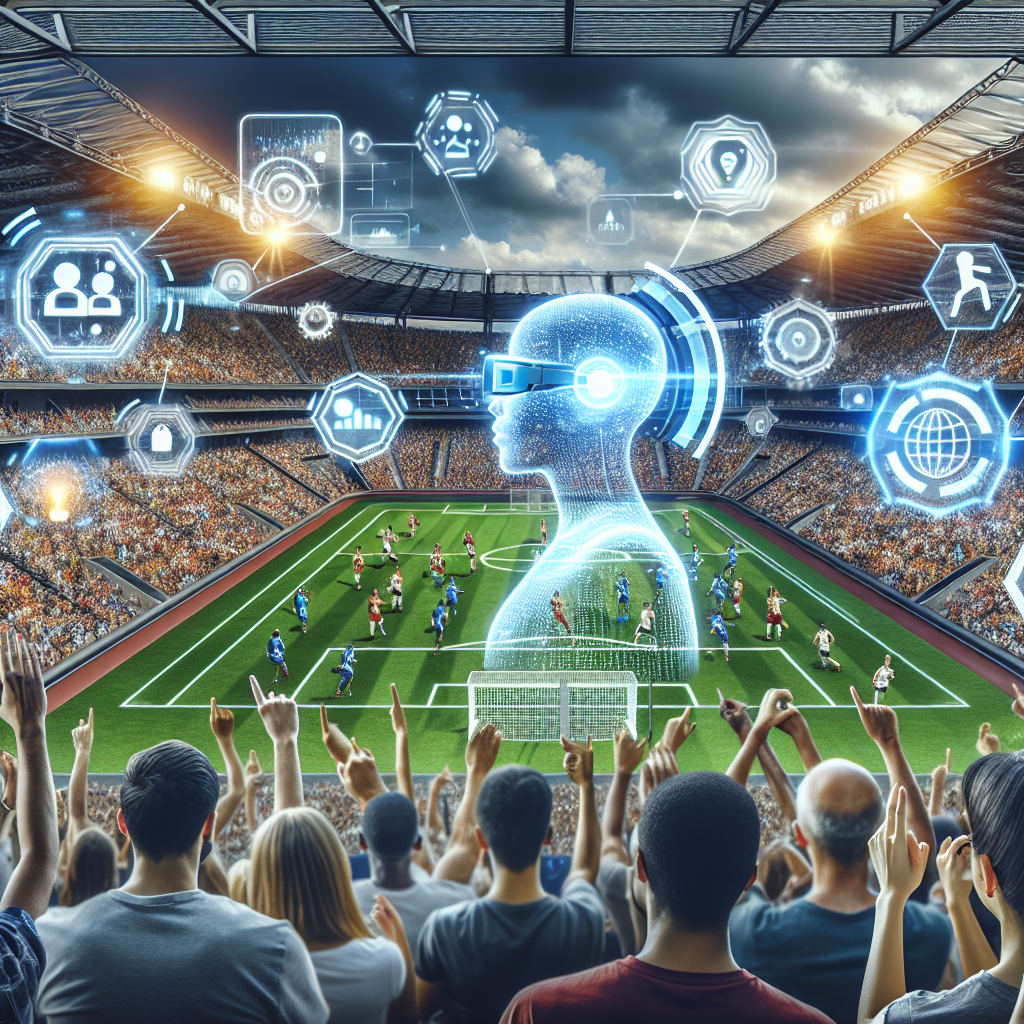
In recent years, artificial intelligence (AI) has revolutionized many industries, and sports is no exception. From enhancing player performance to improving the fan experience, AI has changed the way we interact with sports in a variety of ways. In this article, we will explore how AI is being used to enhance the sports fan experience and how it is shaping the future of sports entertainment.
One of the key ways in which AI is enhancing the sports fan experience is through personalized content and recommendations. AI algorithms can analyze a fan’s preferences and behavior to deliver tailored content, such as highlights, articles, and merchandise recommendations. This level of personalization helps fans stay engaged with their favorite teams and players and provides a more enjoyable and immersive experience.
Another way AI is enhancing the sports fan experience is through real-time data analysis. With AI-powered analytics tools, fans can access in-depth statistics and insights during live games, providing a deeper understanding of the action on the field. This real-time data can also be used to create interactive experiences, such as predictive gaming and fantasy sports, that further engage fans and enhance their overall viewing experience.
AI is also being used to improve the overall viewing experience for fans attending live events. For example, AI-powered ticketing systems can streamline the ticket-buying process and help fans find the best seats based on their preferences. Additionally, AI can be used to enhance the in-stadium experience, such as through personalized concessions recommendations, interactive games, and augmented reality experiences that bring fans closer to the action.
Furthermore, AI is being used to create more immersive and interactive fan experiences through virtual reality (VR) and augmented reality (AR) technologies. For example, VR headsets can provide fans with a 360-degree view of the game, allowing them to feel like they are sitting courtside or on the field. AR apps can also enhance the fan experience by overlaying real-time stats and graphics onto the live game broadcast, providing fans with a more interactive and engaging viewing experience.
In addition to enhancing the fan experience, AI is also being used to improve sports marketing and fan engagement strategies. For example, AI-powered chatbots can provide fans with instant access to information, updates, and exclusive content, helping teams and leagues build stronger relationships with their fan base. AI can also be used to analyze fan sentiment and behavior on social media, allowing teams to better understand their audience and tailor their marketing efforts accordingly.
Overall, AI is transforming the sports fan experience in a variety of ways, from personalized content recommendations to real-time data analysis and immersive VR experiences. As AI continues to evolve and improve, we can expect to see even more innovations that enhance the way fans interact with sports and create more meaningful connections between teams, players, and their supporters.
FAQs:
1. How is AI being used to enhance the sports fan experience?
AI is being used to enhance the sports fan experience in a variety of ways, including personalized content recommendations, real-time data analysis, immersive VR experiences, and improved marketing and fan engagement strategies.
2. What are some examples of AI-powered tools that enhance the sports fan experience?
Examples of AI-powered tools that enhance the sports fan experience include personalized content recommendations, real-time data analytics platforms, VR and AR technologies, and chatbots for instant fan engagement.
3. How can AI improve the in-stadium fan experience?
AI can improve the in-stadium fan experience by providing personalized recommendations for concessions and merchandise, creating interactive games and experiences, and enhancing the overall viewing experience through AR technologies.
4. How is AI shaping the future of sports entertainment?
AI is shaping the future of sports entertainment by creating more immersive and interactive fan experiences, improving marketing and fan engagement strategies, and providing teams and leagues with valuable insights into fan behavior and preferences.