
Agriculture is a crucial industry that provides food and resources for the growing global population. However, it also poses significant challenges, such as the need to increase productivity while minimizing environmental impact. One of the key issues facing farmers is the use of pesticides to protect crops from pests, diseases, and weeds. While pesticides are essential for ensuring high crop yields, their overuse can have detrimental effects on the environment, human health, and biodiversity.
To address this challenge, farmers are increasingly turning to artificial intelligence (AI) technology to optimize pesticide use in agriculture. AI has the potential to revolutionize the way pesticides are applied, making the process more efficient, cost-effective, and environmentally friendly. In this article, we will explore how AI is being used to optimize pesticide use in agriculture, the benefits of this technology, and some frequently asked questions about its implementation.
How AI is being used to optimize pesticide use in agriculture
AI technology is being used in a variety of ways to optimize pesticide use in agriculture. One of the key applications of AI in this field is precision agriculture, which involves using technology to monitor and manage crop production with precision and efficiency. AI can help farmers make data-driven decisions about when and how to apply pesticides, reducing waste and minimizing the impact on the environment.
One of the key ways AI is being used in precision agriculture is through the development of predictive models that can forecast pest outbreaks and disease outbreaks. These models use data from sensors, satellite imagery, weather forecasts, and other sources to predict when and where pests and diseases are likely to strike. By using these models, farmers can apply pesticides only when they are needed, reducing the overall amount of chemicals used and saving costs.
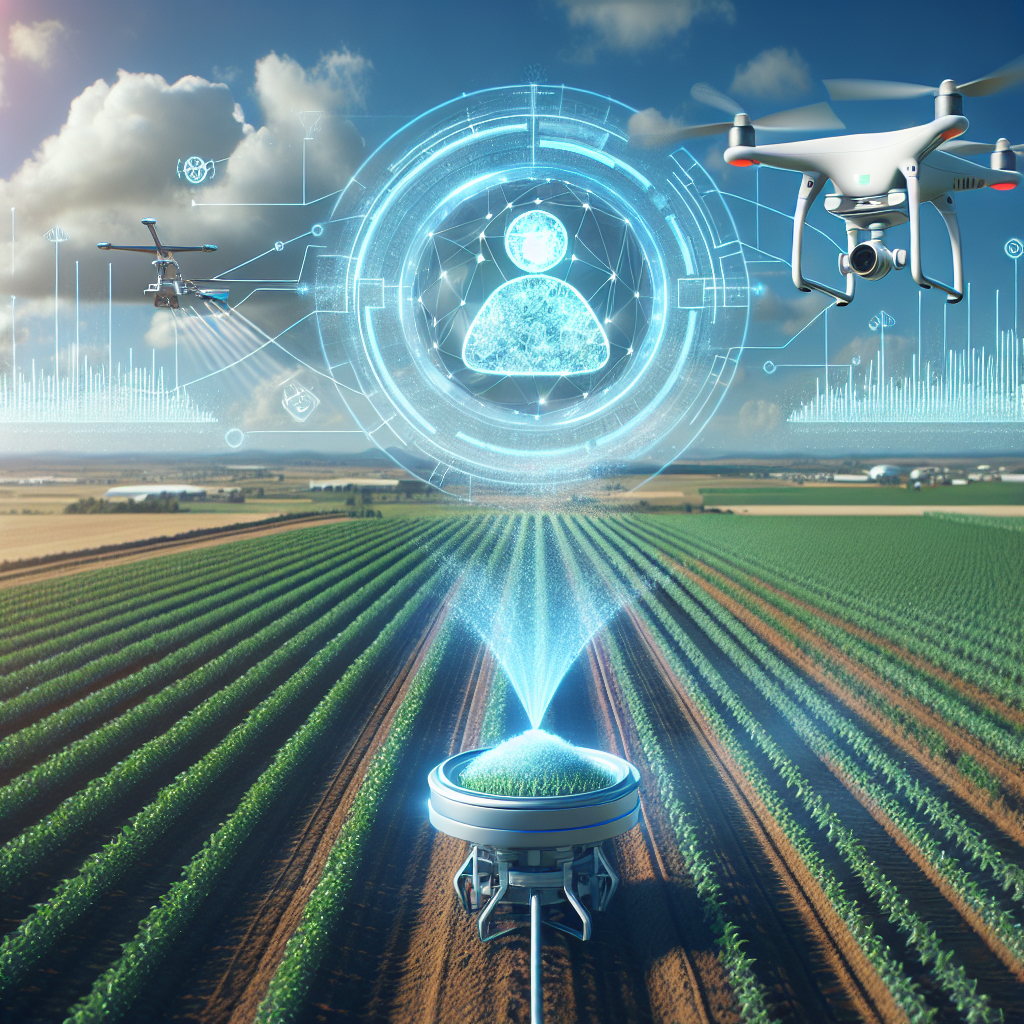
Another way AI is being used to optimize pesticide use is through the development of autonomous drones and robots that can apply pesticides with precision. These drones and robots can be equipped with sensors and cameras that allow them to detect pests and diseases in real-time and apply pesticides only to the affected areas. This targeted approach reduces pesticide use and minimizes the impact on non-target organisms.
Benefits of using AI to optimize pesticide use in agriculture
There are several benefits to using AI to optimize pesticide use in agriculture. One of the key benefits is the ability to reduce pesticide use while maintaining high crop yields. By using AI technology to apply pesticides only when they are needed, farmers can minimize the amount of chemicals used, reducing costs and environmental impact.
Another benefit of using AI to optimize pesticide use is the ability to improve crop quality and yield. By using precision agriculture techniques, farmers can ensure that crops receive the right amount of pesticides at the right time, leading to healthier plants and higher yields. This can help farmers increase their profits and improve food security.
AI technology can also help farmers reduce the risk of pesticide resistance in pests. By using predictive models to anticipate pest outbreaks and applying pesticides strategically, farmers can prevent pests from developing resistance to chemicals. This can help farmers maintain the effectiveness of pesticides and reduce the need for more toxic chemicals in the future.
Frequently Asked Questions about using AI to optimize pesticide use in agriculture
Q: How does AI technology help farmers make decisions about pesticide use?
A: AI technology uses data from sensors, satellites, weather forecasts, and other sources to analyze crop conditions and predict pest outbreaks. This information helps farmers make data-driven decisions about when and how to apply pesticides.
Q: Is AI technology expensive to implement on farms?
A: While the initial cost of implementing AI technology on farms can be high, the long-term benefits in terms of reduced pesticide use, higher crop yields, and improved sustainability can outweigh the costs.
Q: Can AI technology be used to reduce the environmental impact of pesticide use?
A: Yes, AI technology can help farmers reduce the environmental impact of pesticide use by applying chemicals only when they are needed, minimizing waste, and reducing the risk of pesticide resistance in pests.
Q: Are there any risks associated with using AI to optimize pesticide use in agriculture?
A: While AI technology can help farmers make more informed decisions about pesticide use, there are potential risks, such as data privacy concerns and the need for proper training and expertise to use the technology effectively.
In conclusion, AI technology has the potential to revolutionize the way pesticides are used in agriculture. By using predictive models, autonomous drones, and robots, farmers can apply pesticides more efficiently, reduce waste, and minimize the impact on the environment. While there are challenges and risks associated with implementing AI technology on farms, the benefits in terms of increased productivity, reduced costs, and improved sustainability make it a promising solution for optimizing pesticide use in agriculture.