
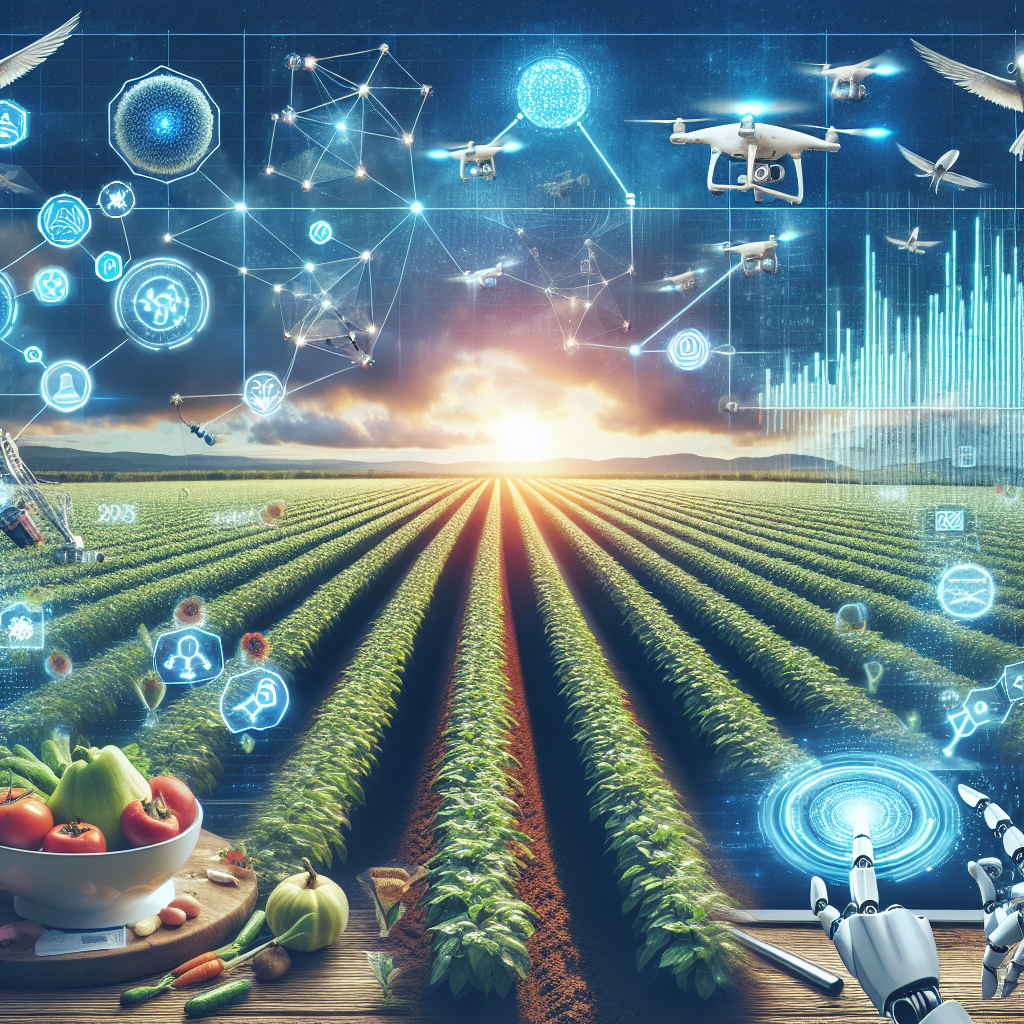
AI-Powered Solutions for Food Safety in Agriculture
In recent years, the agriculture industry has seen a significant increase in the use of artificial intelligence (AI) technologies to improve food safety practices. With the growing demand for safe and healthy food, farmers and food producers are turning to AI-powered solutions to enhance their food safety protocols and ensure the quality of their products. From detecting foodborne pathogens to monitoring crop health, AI is revolutionizing how food safety is managed in agriculture.
AI has the potential to transform the way food safety is monitored and maintained in the agriculture industry. By leveraging AI technologies, farmers and food producers can detect potential food safety risks early on, leading to improved quality control and reduced risk of contamination. Here are some key AI-powered solutions that are being used in agriculture to enhance food safety:
1. Pathogen Detection: One of the biggest challenges in food safety is the detection of foodborne pathogens such as E. coli, Salmonella, and Listeria. AI-powered systems can analyze data from sensors, cameras, and other sources to detect the presence of pathogens in food products. By using machine learning algorithms, these systems can accurately identify and classify pathogens, enabling farmers and food producers to take immediate action to prevent contamination.
2. Crop Monitoring: AI technologies are also being used to monitor the health and quality of crops in real-time. By analyzing data from sensors, drones, and satellites, AI-powered systems can detect early signs of disease, pest infestations, and other issues that may affect crop yield and quality. This allows farmers to take proactive measures to prevent crop loss and ensure the safety of their products.
3. Supply Chain Traceability: AI is being used to improve traceability in the food supply chain, enabling farmers and food producers to track the movement of their products from farm to table. By using blockchain technology and AI algorithms, companies can create a transparent and secure system for tracing the origins of food products, ensuring that they meet food safety standards and regulations.
4. Predictive Analytics: AI-powered predictive analytics can help farmers and food producers anticipate and prevent food safety risks before they occur. By analyzing historical data, weather patterns, and other factors, AI systems can forecast potential issues such as crop diseases, contamination, and spoilage, allowing farmers to take preventive measures to mitigate risks and ensure the safety of their products.
5. Smart Packaging: AI technologies are also being used to develop smart packaging solutions that can monitor the freshness and quality of food products. By embedding sensors and RFID tags in packaging materials, AI-powered systems can track temperature, humidity, and other factors that may affect the safety of food products during storage and transportation.
FAQs:
Q: How does AI help in detecting foodborne pathogens?
A: AI-powered systems use machine learning algorithms to analyze data from sensors, cameras, and other sources to detect the presence of foodborne pathogens in food products. By accurately identifying and classifying pathogens, farmers and food producers can take immediate action to prevent contamination.
Q: How can AI improve crop monitoring in agriculture?
A: AI technologies can monitor the health and quality of crops in real-time by analyzing data from sensors, drones, and satellites. By detecting early signs of disease, pest infestations, and other issues, farmers can take proactive measures to prevent crop loss and ensure the safety of their products.
Q: How does AI enhance supply chain traceability in the food industry?
A: AI is being used to improve traceability in the food supply chain by tracking the movement of products from farm to table. By using blockchain technology and AI algorithms, companies can create a transparent and secure system for tracing the origins of food products, ensuring they meet food safety standards.
Q: How can predictive analytics help in food safety management?
A: AI-powered predictive analytics can help farmers and food producers anticipate and prevent food safety risks by analyzing historical data, weather patterns, and other factors. By forecasting potential issues such as crop diseases and contamination, farmers can take preventive measures to ensure product safety.
Q: What are some examples of AI-powered solutions for food safety in agriculture?
A: Some examples of AI-powered solutions for food safety in agriculture include pathogen detection systems, crop monitoring technologies, supply chain traceability platforms, predictive analytics tools, and smart packaging solutions. These technologies are revolutionizing how food safety is managed in the agriculture industry.