
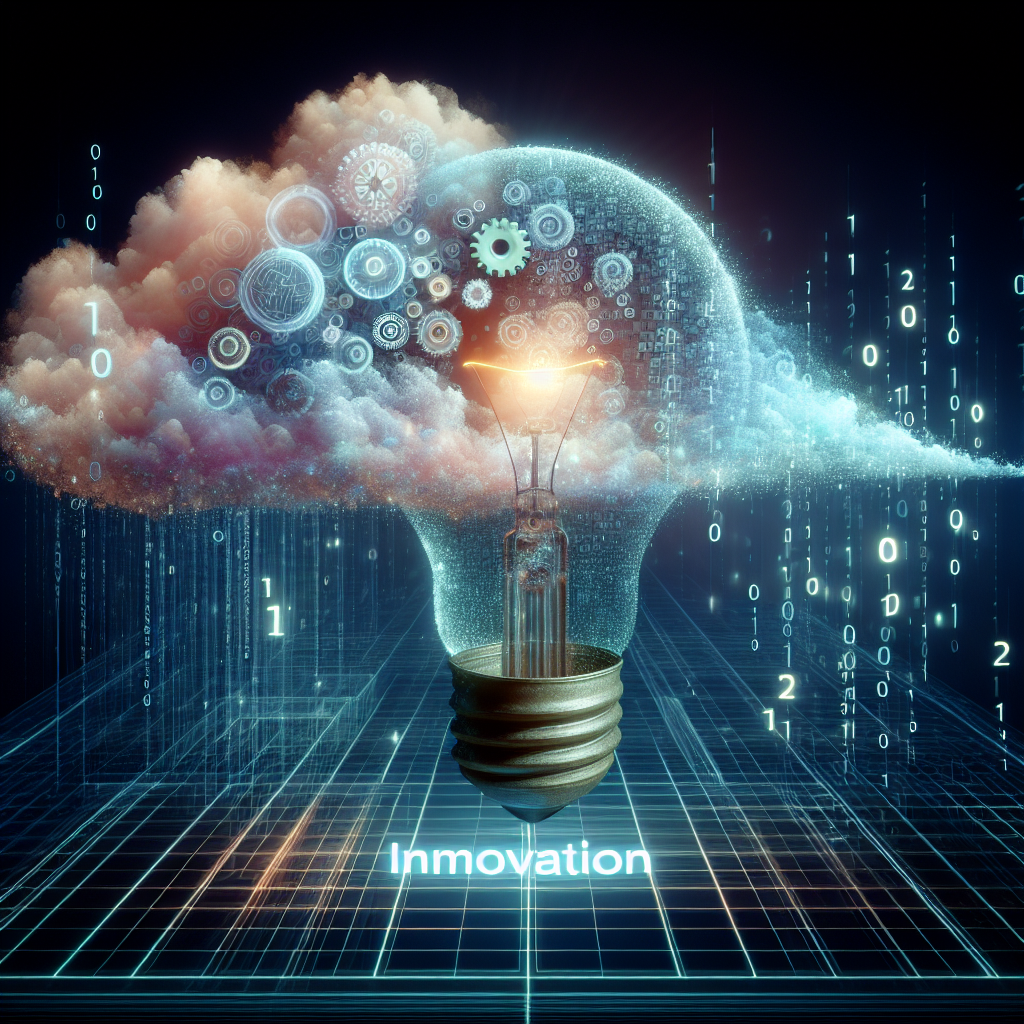
The Creative Process Redefined: AI’s Influence on Innovation
Innovation has always been at the heart of human progress. From the invention of the wheel to the development of the internet, innovative ideas have shaped the world we live in. However, the creative process has traditionally been seen as a uniquely human endeavor, requiring intuition, insight, and imagination. But with the rise of artificial intelligence (AI), the way we think about creativity and innovation is being redefined.
AI is transforming the creative process by augmenting human capabilities with machine intelligence. From generating new ideas to optimizing existing ones, AI is changing the way we approach innovation. In this article, we will explore the ways in which AI is influencing the creative process and how it is reshaping the future of innovation.
1. Idea Generation
One of the key ways in which AI is redefining the creative process is by helping to generate new ideas. AI algorithms can analyze vast amounts of data to identify patterns and trends that humans may overlook. This can lead to the discovery of new insights and opportunities for innovation.
For example, companies like Google and Amazon use AI algorithms to analyze customer data and predict future trends. This allows them to anticipate customer needs and develop new products and services that meet those needs. Similarly, AI-powered tools like IBM’s Watson can generate new ideas by analyzing research papers, patents, and other sources of information.
2. Design and Prototyping
AI is also revolutionizing the design and prototyping process. AI-powered tools like Adobe’s Sensei can help designers create new concepts and prototypes quickly and efficiently. These tools can analyze design trends, suggest improvements, and even generate new designs based on user preferences.
In addition, AI can help streamline the prototyping process by simulating different design options and identifying potential flaws before a product is manufactured. This can save time and resources, allowing companies to bring new products to market faster.
3. Personalization
Another way in which AI is redefining the creative process is through personalization. AI algorithms can analyze user data to create personalized experiences that cater to individual preferences and needs. For example, streaming services like Netflix and Spotify use AI to recommend content based on a user’s viewing or listening history.
This level of personalization can lead to more engaging and relevant experiences for users, ultimately driving innovation in products and services. By tailoring content to individual preferences, companies can create more loyal customers and differentiate themselves from competitors.
4. Automation
AI is also automating repetitive tasks in the creative process, allowing humans to focus on more strategic and creative aspects of innovation. For example, AI-powered tools can automate mundane tasks like data entry, freeing up time for designers and innovators to focus on ideation and problem-solving.
Automation can also improve efficiency and accuracy in the creative process. AI algorithms can analyze data faster and more accurately than humans, leading to better decision-making and more successful outcomes.
FAQs
Q: Will AI replace human creativity?
A: AI is not here to replace human creativity but to augment it. While AI can help generate new ideas, optimize designs, and automate tasks, it cannot replicate the intuition, insight, and imagination that humans bring to the creative process. AI and humans can work together to create innovative solutions that neither could achieve alone.
Q: How can I incorporate AI into my creative process?
A: There are many ways to incorporate AI into your creative process, depending on your goals and needs. You can use AI-powered tools for idea generation, design and prototyping, personalization, and automation. Start by exploring the various AI tools and platforms available and experimenting with how they can enhance your creative workflow.
Q: Is AI ethical in the creative process?
A: Ethical considerations are important when using AI in the creative process. It’s essential to ensure that AI algorithms are unbiased, transparent, and respectful of user privacy. Companies should also consider the impact of AI on job displacement and societal well-being. By prioritizing ethics and responsible use of AI, we can harness its power for positive innovation and creativity.
In conclusion, AI is redefining the creative process by augmenting human capabilities with machine intelligence. From idea generation to design and personalization, AI is transforming the way we approach innovation. By incorporating AI into the creative process responsibly and ethically, we can unlock new possibilities and drive progress in the digital age.