
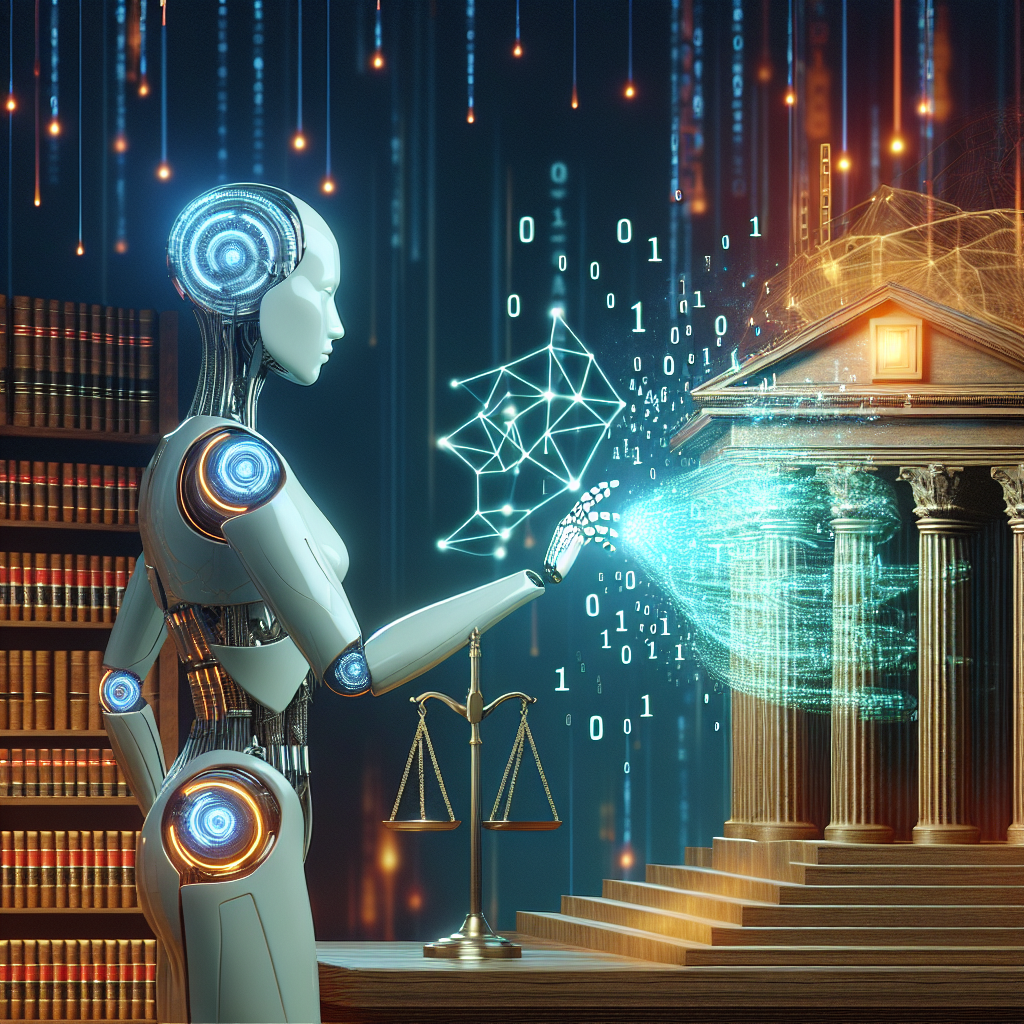
Artificial Intelligence (AI) has the potential to revolutionize many aspects of our society, including the judicial system. By harnessing the power of AI, judicial systems around the world can enhance access to justice, improve efficiency, and increase transparency. In this article, we will explore how AI is being used in the judicial system, the benefits and challenges of this technology, and how it can ultimately help to create a more fair and effective legal system.
How AI is being used in the judicial system
AI is being used in a variety of ways in the judicial system to help streamline processes, improve decision-making, and increase access to justice. One of the most common uses of AI in the judicial system is in the area of legal research. AI-powered tools can quickly search through vast amounts of legal documents and case law to find relevant information, saving lawyers and judges valuable time and resources.
AI is also being used to assist in case management and scheduling. By analyzing data on court cases, AI can help to predict case outcomes, identify potential bottlenecks in the legal system, and allocate resources more efficiently. This can help to reduce backlogs in the courts and ensure that cases are resolved in a timely manner.
Another area where AI is making an impact is in the area of predictive analytics. By analyzing data on past cases, AI can help to predict the likely outcome of a case, allowing lawyers and judges to make more informed decisions. This can help to reduce the uncertainty and unpredictability of the legal system, leading to more consistent and fair outcomes.
Benefits of using AI in the judicial system
There are many benefits to using AI in the judicial system. One of the key advantages is the potential to increase access to justice. By automating routine tasks and streamlining processes, AI can help to reduce the cost of legal services and make them more accessible to a wider range of people. This can help to ensure that everyone has equal access to the legal system, regardless of their financial situation.
AI can also help to improve efficiency in the judicial system. By automating tasks such as legal research and case management, AI can help to speed up the resolution of cases and reduce backlogs in the courts. This can help to ensure that justice is delivered in a timely manner and that cases are resolved fairly and efficiently.
Another benefit of using AI in the judicial system is the potential to increase transparency. By analyzing data on past cases and outcomes, AI can help to identify patterns of bias or discrimination in the legal system. This can help to ensure that decisions are made based on merit and not on factors such as race, gender, or socioeconomic status.
Challenges of using AI in the judicial system
While there are many benefits to using AI in the judicial system, there are also challenges that must be addressed. One of the key challenges is the potential for bias in AI algorithms. AI systems are only as good as the data they are trained on, and if this data is biased or incomplete, it can lead to biased outcomes. It is important for developers to carefully monitor and evaluate AI systems to ensure that they are fair and unbiased.
Another challenge is the potential for job displacement. As AI systems become more advanced, there is a risk that they could replace human workers in the legal profession. It is important for policymakers to consider how to address this issue and ensure that workers are not left behind as AI technology advances.
Finally, there are concerns about the privacy and security of data in the judicial system. AI systems rely on vast amounts of data to make decisions, and it is important to ensure that this data is kept secure and confidential. It is essential for policymakers to develop robust data protection measures to safeguard the privacy of individuals involved in the legal system.
FAQs
Q: Will AI replace judges and lawyers in the judicial system?
A: While AI has the potential to automate certain tasks in the legal profession, such as legal research and case management, it is unlikely to replace judges and lawyers entirely. Human judgment and empathy are essential aspects of the legal system, and AI is not yet capable of replicating these qualities.
Q: How can AI help to increase access to justice?
A: AI can help to reduce the cost of legal services by automating routine tasks and streamlining processes. This can make legal services more accessible to a wider range of people and help to ensure that everyone has equal access to the legal system.
Q: How can AI help to improve efficiency in the judicial system?
A: AI can help to speed up the resolution of cases by automating tasks such as legal research and case management. This can help to reduce backlogs in the courts and ensure that cases are resolved in a timely manner.
Q: What are the potential risks of using AI in the judicial system?
A: One of the key risks of using AI in the judicial system is the potential for bias in AI algorithms. It is important for developers to carefully monitor and evaluate AI systems to ensure that they are fair and unbiased. Additionally, there are concerns about job displacement and the privacy and security of data in the legal system.
In conclusion, AI has the potential to revolutionize the judicial system by enhancing access to justice, improving efficiency, and increasing transparency. While there are challenges that must be addressed, the benefits of using AI in the legal profession are clear. By harnessing the power of AI, we can create a more fair and effective legal system that serves the needs of all members of society.