
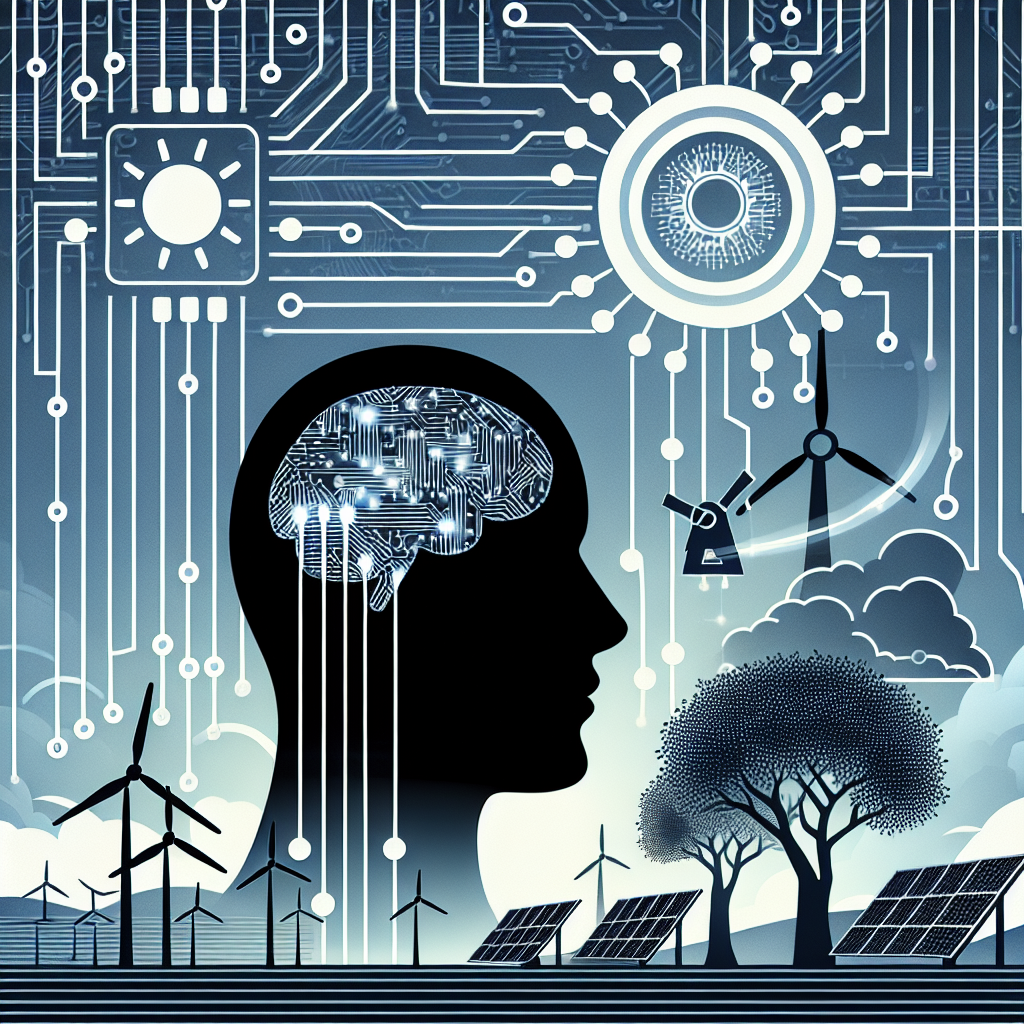
With the increasing demand for renewable energy sources to combat climate change, there is a growing need for optimizing the production of renewable energy. Artificial intelligence (AI) solutions have emerged as a promising tool to improve the efficiency and reliability of renewable energy production. By leveraging AI technologies, renewable energy systems can be optimized to maximize energy output, reduce costs, and minimize environmental impact.
AI solutions for optimizing renewable energy production involve the use of machine learning algorithms and data analytics to analyze large amounts of data and make intelligent decisions in real-time. These solutions can help renewable energy systems adapt to changing weather conditions, predict energy demand, and improve overall system performance. Here are some ways AI is being used to optimize renewable energy production:
1. Predictive Maintenance: AI can be used to predict when equipment in renewable energy systems will require maintenance, allowing operators to proactively address issues before they escalate and cause downtime. By analyzing data from sensors and monitoring equipment, AI algorithms can detect patterns that indicate potential failures, enabling maintenance teams to take corrective action before a breakdown occurs.
2. Energy Forecasting: AI can help predict energy generation from renewable sources such as solar and wind power by analyzing historical data and weather patterns. By accurately forecasting energy output, operators can better plan for fluctuations in supply and demand, optimize energy storage, and reduce the need for backup power sources.
3. Grid Optimization: AI can optimize the distribution of renewable energy on the grid by analyzing data on energy consumption, generation, and storage. By coordinating the flow of energy between different sources and consumers, AI algorithms can ensure that renewable energy is used efficiently and reduce reliance on fossil fuels.
4. Resource Allocation: AI can optimize the allocation of resources in renewable energy systems, such as determining the optimal placement of solar panels or wind turbines. By analyzing factors such as sunlight exposure, wind speed, and terrain, AI algorithms can maximize energy production and minimize costs.
5. Demand Response: AI can help manage energy demand by predicting peak usage times and adjusting energy production accordingly. By analyzing data on consumer behavior and energy consumption patterns, AI algorithms can optimize energy supply to meet demand while minimizing waste.
6. Smart Grids: AI can enable the development of smart grids that can automatically adjust energy production and distribution based on real-time data. By integrating AI technologies into the grid infrastructure, operators can improve reliability, reduce costs, and enhance overall system performance.
FAQs:
Q: How can AI improve the efficiency of renewable energy production?
A: AI can improve the efficiency of renewable energy production by optimizing energy generation, distribution, and consumption. By analyzing data in real-time and making intelligent decisions, AI algorithms can maximize energy output, reduce costs, and minimize environmental impact.
Q: What are some challenges in implementing AI solutions for optimizing renewable energy production?
A: Some challenges in implementing AI solutions for optimizing renewable energy production include the need for reliable data, high upfront costs, and regulatory barriers. Additionally, integrating AI technologies into existing energy systems can be complex and require specialized expertise.
Q: How can AI help reduce the reliance on fossil fuels in the energy sector?
A: AI can help reduce the reliance on fossil fuels in the energy sector by optimizing the production and distribution of renewable energy sources. By maximizing energy output from sources such as solar and wind power, AI can help transition to a cleaner and more sustainable energy system.
In conclusion, AI solutions have the potential to revolutionize the renewable energy sector by optimizing energy production, reducing costs, and minimizing environmental impact. By leveraging AI technologies, renewable energy systems can become more efficient, reliable, and sustainable, helping to accelerate the transition to a clean energy future.