
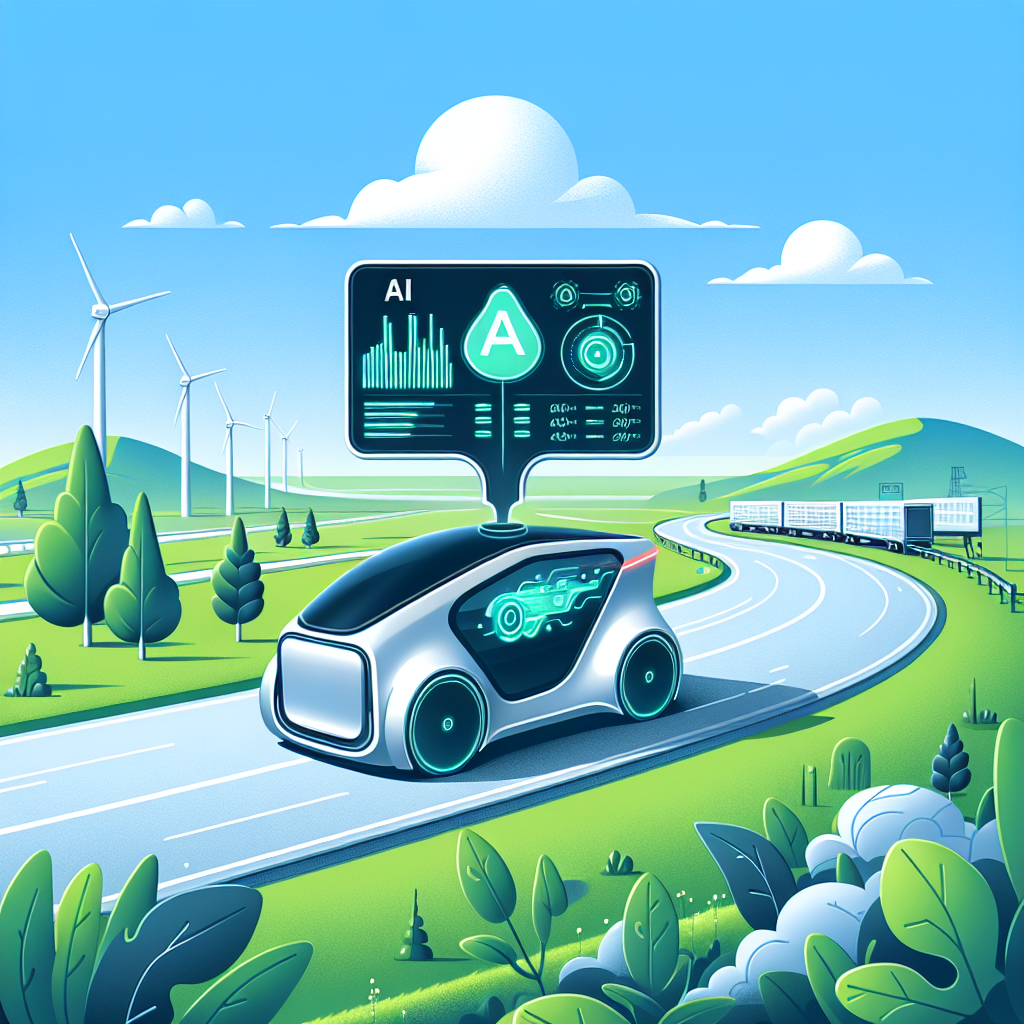
With the increasing demand for transportation services worldwide, there is a growing focus on improving fuel efficiency in the industry. One of the key ways in which this is being achieved is through the use of AI-powered solutions. These solutions leverage artificial intelligence technology to optimize various aspects of transportation operations, leading to reduced fuel consumption, lower emissions, and ultimately, cost savings for companies.
AI-powered solutions for fuel efficiency in transportation are becoming increasingly popular due to their ability to analyze vast amounts of data in real-time and provide actionable insights to drivers and fleet managers. By implementing these solutions, companies can monitor and optimize fuel consumption, route planning, vehicle maintenance, and driver behavior, all of which play a significant role in improving fuel efficiency.
One of the key benefits of AI-powered solutions for fuel efficiency in transportation is the ability to optimize route planning. By analyzing traffic patterns, weather conditions, and other relevant factors, AI algorithms can suggest the most fuel-efficient routes for drivers to take. This not only reduces fuel consumption but also minimizes travel time, leading to improved overall efficiency and customer satisfaction.
In addition to route planning, AI-powered solutions can also optimize vehicle maintenance schedules. By analyzing data from sensors and diagnostic tools, these solutions can predict when a vehicle is likely to require maintenance or repairs, allowing fleet managers to address issues proactively before they lead to costly breakdowns or inefficiencies.
Furthermore, AI-powered solutions can also monitor driver behavior and provide real-time feedback to help drivers improve their fuel efficiency. By analyzing driving habits such as speeding, harsh braking, and idling, these solutions can identify opportunities for improvement and provide recommendations for more fuel-efficient driving techniques.
Overall, AI-powered solutions for fuel efficiency in transportation offer a wide range of benefits, including reduced fuel consumption, lower emissions, improved route planning, enhanced vehicle maintenance, and optimized driver behavior. As a result, companies that implement these solutions can achieve significant cost savings, improve their environmental footprint, and enhance their overall operational efficiency.
FAQs:
Q: How do AI-powered solutions for fuel efficiency in transportation work?
A: AI-powered solutions for fuel efficiency in transportation work by analyzing vast amounts of data in real-time to optimize various aspects of transportation operations. This includes route planning, vehicle maintenance, and driver behavior. By leveraging artificial intelligence technology, these solutions can provide actionable insights to drivers and fleet managers, leading to reduced fuel consumption and improved overall efficiency.
Q: What are the key benefits of AI-powered solutions for fuel efficiency in transportation?
A: The key benefits of AI-powered solutions for fuel efficiency in transportation include reduced fuel consumption, lower emissions, improved route planning, enhanced vehicle maintenance, and optimized driver behavior. By implementing these solutions, companies can achieve significant cost savings, improve their environmental footprint, and enhance their overall operational efficiency.
Q: How can companies implement AI-powered solutions for fuel efficiency in transportation?
A: Companies can implement AI-powered solutions for fuel efficiency in transportation by partnering with technology providers that specialize in this area. These providers can help companies integrate AI algorithms into their existing systems, analyze data from sensors and diagnostic tools, and provide real-time feedback to drivers and fleet managers to optimize fuel efficiency.
Q: What are some examples of AI-powered solutions for fuel efficiency in transportation?
A: Some examples of AI-powered solutions for fuel efficiency in transportation include route optimization software, vehicle maintenance prediction tools, and driver behavior monitoring systems. These solutions leverage artificial intelligence technology to analyze data in real-time and provide actionable insights to improve fuel efficiency in the transportation industry.