
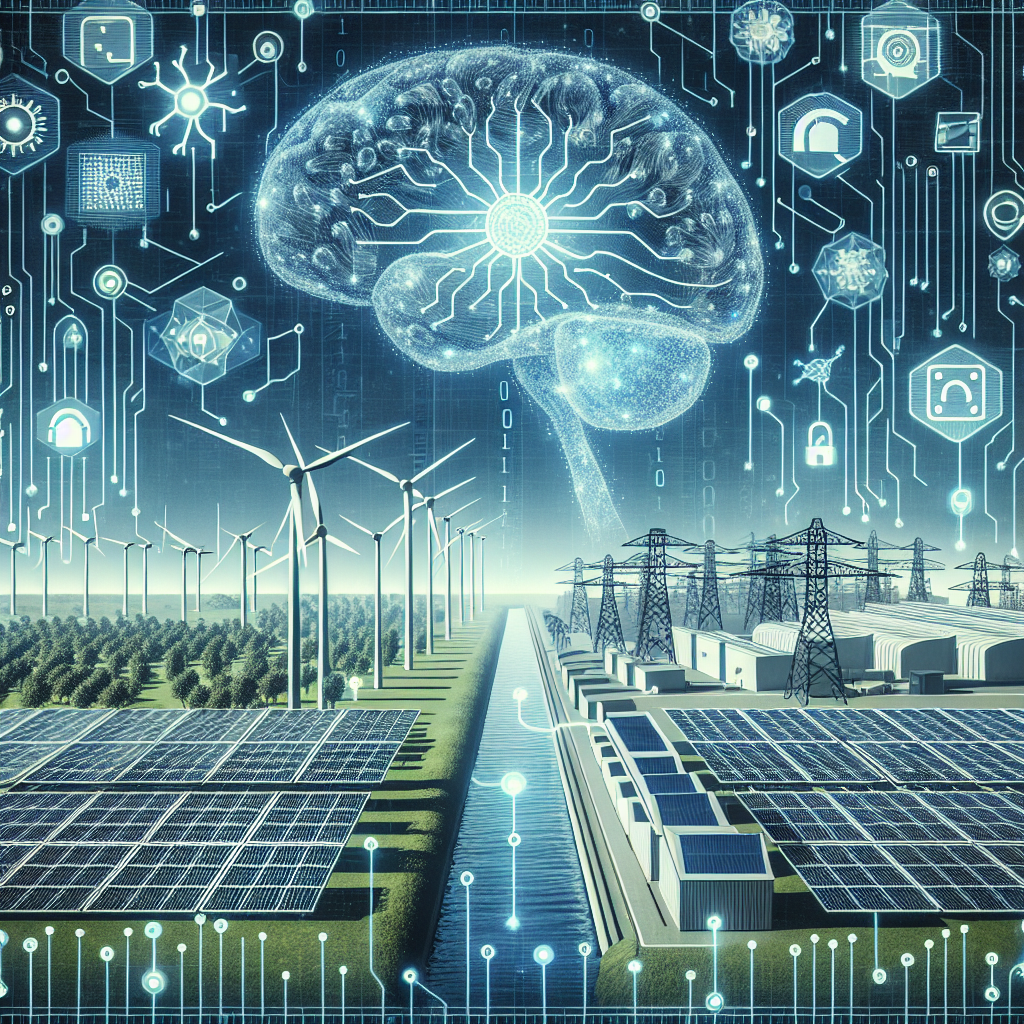
AI-Enabled Grid Management for Renewable Energy Integration
The integration of renewable energy sources, such as solar and wind, into the grid has become increasingly important as the world seeks to reduce its dependence on fossil fuels and combat climate change. However, the intermittent nature of these sources presents challenges for grid operators in managing supply and demand in real-time. This is where artificial intelligence (AI) comes in, offering a solution to effectively manage the grid and optimize the integration of renewable energy.
AI-enabled grid management utilizes advanced machine learning algorithms to analyze vast amounts of data from sensors, smart meters, and other sources in real-time. This allows grid operators to predict and optimize energy production and consumption, balance supply and demand, and ensure grid stability. By harnessing the power of AI, grid operators can make more informed decisions, reduce costs, and improve the reliability and efficiency of the grid.
One of the key benefits of AI-enabled grid management is its ability to optimize the use of renewable energy sources. For example, AI algorithms can forecast solar and wind generation based on weather conditions and adjust grid operations accordingly. This can help reduce the need for backup power from fossil fuel plants and maximize the use of clean, renewable energy. AI can also help identify and mitigate grid congestion, optimize energy storage, and integrate electric vehicles and other distributed energy resources into the grid.
AI-enabled grid management can also improve grid resilience and reliability. By analyzing historical data and real-time information, AI algorithms can predict and prevent grid failures, reduce downtime, and quickly respond to disturbances or outages. This can help minimize disruptions for customers and ensure a more stable and secure grid.
In addition, AI-enabled grid management can help grid operators optimize energy trading and market operations. By analyzing market data, demand patterns, and other factors, AI algorithms can optimize energy pricing, scheduling, and dispatch to maximize efficiency and profitability. This can benefit both grid operators and consumers by reducing costs, increasing transparency, and enabling more flexible and dynamic energy markets.
Overall, AI-enabled grid management offers a powerful tool for grid operators to effectively integrate renewable energy sources, improve grid reliability, and optimize energy operations. By leveraging the capabilities of AI, grid operators can address the challenges of renewable energy integration and transition to a more sustainable and resilient grid.
FAQs
Q: How does AI help grid operators manage renewable energy integration?
A: AI enables grid operators to analyze vast amounts of data in real-time, predict energy production and consumption, optimize grid operations, balance supply and demand, and ensure grid stability.
Q: What are the benefits of AI-enabled grid management?
A: The benefits of AI-enabled grid management include optimizing renewable energy use, improving grid resilience and reliability, and optimizing energy trading and market operations.
Q: How does AI optimize the use of renewable energy sources?
A: AI algorithms can forecast solar and wind generation based on weather conditions, adjust grid operations accordingly, reduce the need for backup power from fossil fuel plants, and maximize the use of clean, renewable energy.
Q: How does AI improve grid resilience and reliability?
A: AI algorithms can analyze historical data and real-time information to predict and prevent grid failures, reduce downtime, quickly respond to disturbances or outages, and ensure a more stable and secure grid.
Q: How does AI optimize energy trading and market operations?
A: AI algorithms can analyze market data, demand patterns, and other factors to optimize energy pricing, scheduling, and dispatch, maximize efficiency and profitability, and enable more flexible and dynamic energy markets.