
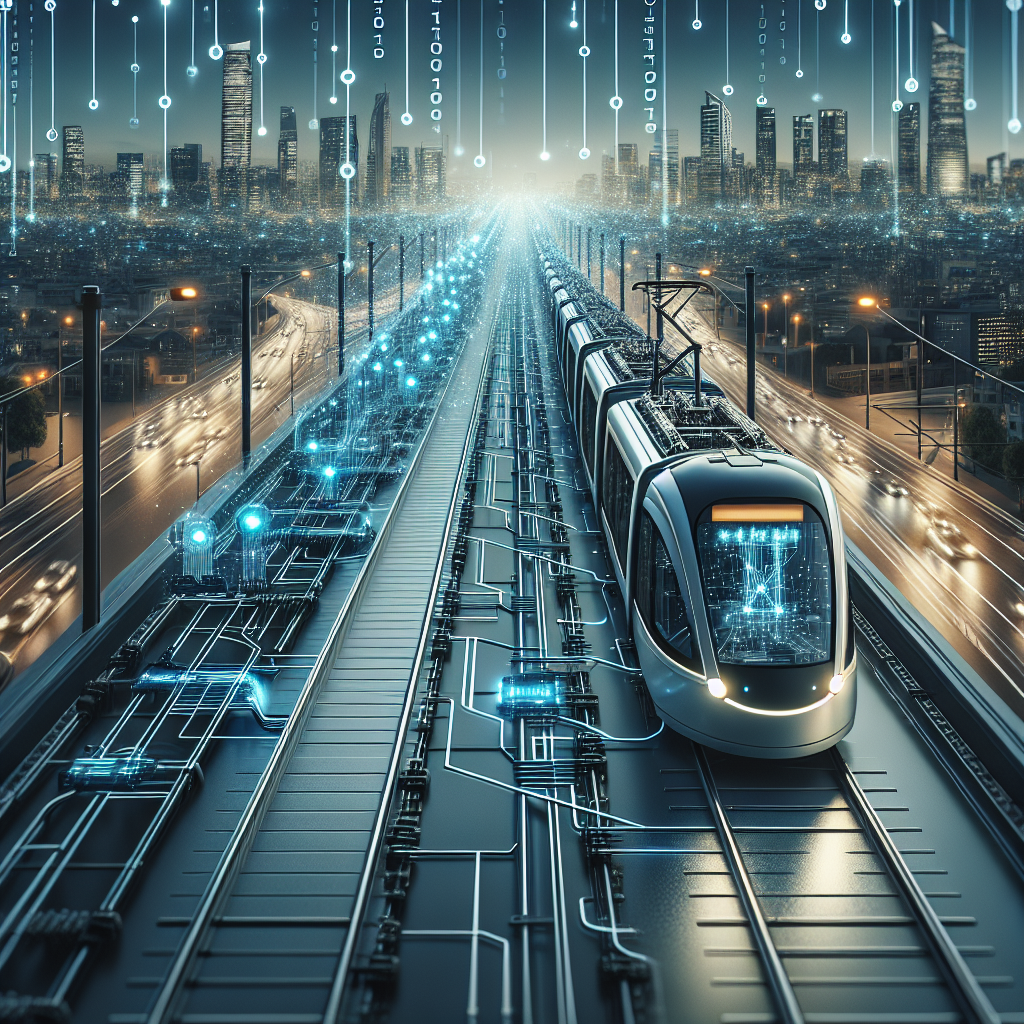
Autonomous trams and light rail systems are quickly becoming a reality with the advancement of artificial intelligence (AI) technology. These systems are revolutionizing public transportation by improving efficiency, safety, and sustainability. In this article, we will explore the role of AI in autonomous trams and light rail, and discuss the benefits and challenges associated with these innovative transportation systems.
Role of AI in Autonomous Trams and Light Rail
AI plays a crucial role in enabling autonomous trams and light rail systems to operate efficiently and safely. These systems rely on a combination of sensors, cameras, and AI algorithms to navigate through urban environments, avoid obstacles, and make real-time decisions. Here are some key ways in which AI is used in autonomous trams and light rail:
1. Autonomous Navigation: AI algorithms are used to analyze data from sensors and cameras to navigate the tram or light rail vehicle along its route. These algorithms can detect obstacles, traffic signals, and pedestrians, and make decisions on how to safely maneuver through the environment.
2. Collision Avoidance: AI technology is used to detect potential collisions and take evasive action to prevent accidents. By analyzing data from sensors and cameras, AI algorithms can predict the movement of objects around the tram or light rail vehicle and adjust its speed and direction accordingly.
3. Traffic Management: AI can optimize the flow of traffic by coordinating the movements of multiple autonomous trams and light rail vehicles. By analyzing real-time data on traffic conditions, AI algorithms can adjust the speed and spacing of vehicles to minimize congestion and reduce travel times.
4. Predictive Maintenance: AI can predict when maintenance is needed on tram or light rail vehicles by analyzing data from sensors and monitoring the performance of critical components. This proactive approach to maintenance can help prevent breakdowns and ensure that the system operates smoothly.
5. Energy Efficiency: AI algorithms can optimize the energy consumption of autonomous trams and light rail systems by adjusting the speed and acceleration of vehicles based on real-time data on traffic conditions and passenger demand. This can help reduce fuel consumption and lower operating costs.
Benefits of Autonomous Trams and Light Rail
There are several benefits associated with autonomous trams and light rail systems, including:
1. Improved Safety: AI technology can enhance the safety of public transportation by reducing the risk of accidents caused by human error. Autonomous trams and light rail systems can react faster to potential hazards and avoid collisions more effectively than human drivers.
2. Increased Efficiency: AI algorithms can optimize the operation of tram and light rail systems by reducing travel times, minimizing congestion, and improving the overall flow of traffic. This can lead to a more efficient and reliable public transportation system.
3. Environmental Sustainability: Autonomous trams and light rail systems are typically powered by electricity, which reduces greenhouse gas emissions and helps combat climate change. By optimizing energy consumption and reducing fuel use, AI technology can further enhance the environmental sustainability of these systems.
4. Cost Savings: Autonomous trams and light rail systems can lower operating costs by reducing the need for human drivers, optimizing maintenance schedules, and improving energy efficiency. These cost savings can be passed on to passengers in the form of lower fares.
Challenges of Autonomous Trams and Light Rail
While there are many benefits associated with autonomous trams and light rail systems, there are also several challenges that need to be addressed, including:
1. Regulatory Hurdles: The deployment of autonomous trams and light rail systems may be hindered by regulatory barriers, such as safety standards, liability issues, and licensing requirements. Governments and transportation authorities need to develop clear guidelines and regulations to ensure the safe operation of these systems.
2. Technological Limitations: AI technology is still evolving, and there are limitations to its capabilities, such as its ability to handle complex urban environments, unpredictable weather conditions, and interactions with other road users. Continued research and development are needed to overcome these challenges.
3. Public Acceptance: Some people may be skeptical or hesitant about using autonomous trams and light rail systems due to concerns about safety, privacy, and job displacement. Education and outreach efforts are needed to build public trust and support for these innovative transportation systems.
FAQs
Q: Are autonomous trams and light rail systems safe?
A: Autonomous trams and light rail systems are designed to be safe and reliable, with AI technology helping to prevent accidents and improve overall safety. However, regulatory standards and oversight are essential to ensure the safe operation of these systems.
Q: How do autonomous trams and light rail systems navigate through urban environments?
A: Autonomous trams and light rail systems rely on a combination of sensors, cameras, and AI algorithms to navigate through urban environments. These systems can detect obstacles, traffic signals, and pedestrians, and make real-time decisions on how to safely maneuver through the environment.
Q: Will autonomous trams and light rail systems replace human drivers?
A: Autonomous trams and light rail systems have the potential to replace human drivers, as AI technology can improve safety, efficiency, and cost-effectiveness. However, the deployment of these systems may require a phased approach to ensure a smooth transition and address any regulatory or societal concerns.
Q: What are the environmental benefits of autonomous trams and light rail systems?
A: Autonomous trams and light rail systems are typically powered by electricity, which reduces greenhouse gas emissions and helps combat climate change. AI technology can further enhance the environmental sustainability of these systems by optimizing energy consumption and reducing fuel use.
In conclusion, AI technology is playing a critical role in the development of autonomous trams and light rail systems, revolutionizing public transportation with improved safety, efficiency, and sustainability. While there are challenges that need to be addressed, the benefits of these innovative transportation systems are clear, and they have the potential to transform the way we travel in urban environments. With continued research and development, autonomous trams and light rail systems have the potential to become a key component of future transportation networks.