
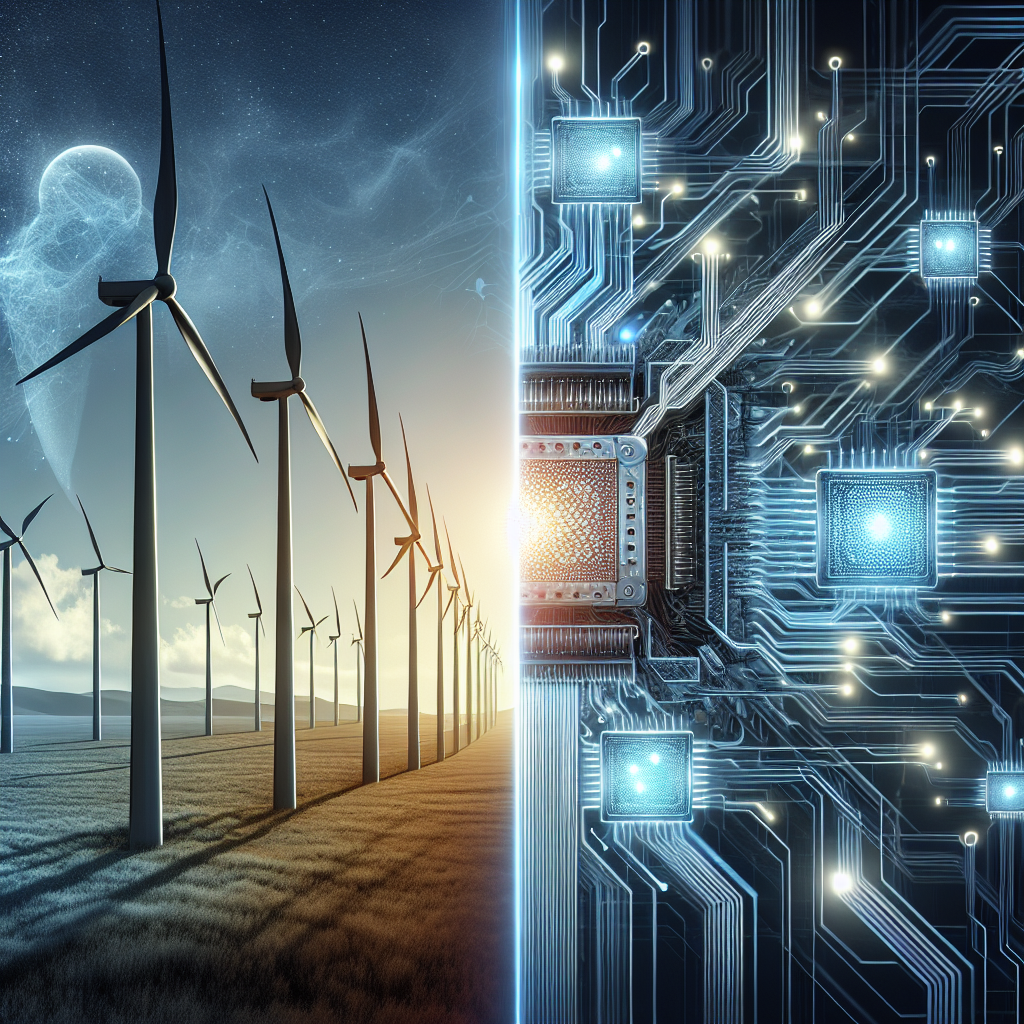
The Intersection of AI and Renewable Energy: Opportunities and Challenges
Introduction
Artificial intelligence (AI) has become a driving force in many industries, revolutionizing the way we live and work. One area where AI is making a significant impact is in the field of renewable energy. As the world faces the urgent need to transition to sustainable energy sources, AI has the potential to play a crucial role in optimizing the generation, distribution, and consumption of renewable energy.
In this article, we will explore the opportunities and challenges that arise at the intersection of AI and renewable energy, and discuss how AI can help accelerate the transition to a cleaner, more sustainable energy future.
Opportunities
1. Optimizing Renewable Energy Generation: One of the key challenges in renewable energy is the variability of sources such as solar and wind power. AI can help optimize the generation of renewable energy by predicting weather patterns, analyzing data from sensors, and adjusting the output of renewable energy sources in real-time. This can help maximize energy production and reduce the reliance on fossil fuels when renewable sources are not available.
2. Grid Management: AI can play a crucial role in managing the distribution of renewable energy on the grid. By analyzing data on energy consumption patterns, AI algorithms can optimize the flow of energy from renewable sources to where it is needed most. This can help reduce wastage and improve the overall efficiency of the energy grid.
3. Energy Storage: Energy storage is a key challenge in renewable energy, as sources like solar and wind power are intermittent. AI can help optimize energy storage systems by predicting when energy demand will be high and when renewable sources will be generating excess energy. This can help reduce the need for backup fossil fuel generators and enable a more reliable and sustainable energy supply.
4. Predictive Maintenance: AI can also help improve the efficiency of renewable energy systems by enabling predictive maintenance. By analyzing data from sensors and equipment, AI algorithms can predict when components are likely to fail and schedule maintenance before a breakdown occurs. This can help reduce downtime, extend the lifespan of renewable energy systems, and lower maintenance costs.
Challenges
1. Data Quality: One of the main challenges in using AI for renewable energy is the quality of data. Renewable energy systems generate vast amounts of data, but this data is often noisy, incomplete, or inconsistent. Cleaning and analyzing this data to extract meaningful insights can be a complex and time-consuming process.
2. Interoperability: Another challenge is the lack of interoperability between different renewable energy systems and AI platforms. Integrating AI algorithms with existing renewable energy infrastructure can be challenging, as different systems may use different protocols, data formats, and communication standards. Ensuring seamless communication and collaboration between these systems is essential for maximizing the benefits of AI in renewable energy.
3. Regulatory and Policy Challenges: The rapid development of AI in renewable energy raises important regulatory and policy questions. Issues such as data privacy, intellectual property rights, and liability in the event of AI malfunctions need to be addressed to ensure the responsible and ethical use of AI in renewable energy.
4. Skills Gap: Finally, there is a shortage of skilled professionals with expertise in both AI and renewable energy. Developing AI solutions for renewable energy requires a deep understanding of both fields, as well as the ability to translate technical knowledge into practical applications. Bridging this skills gap and fostering interdisciplinary collaboration is essential for unlocking the full potential of AI in renewable energy.
FAQs
Q: Can AI help reduce the cost of renewable energy?
A: Yes, AI can help reduce the cost of renewable energy by optimizing energy generation, distribution, and storage. By maximizing the efficiency of renewable energy systems, AI can help lower the overall cost of energy production and make renewable energy more competitive with fossil fuels.
Q: How can AI help improve the reliability of renewable energy systems?
A: AI can improve the reliability of renewable energy systems by enabling predictive maintenance, optimizing energy storage, and managing grid distribution more effectively. By predicting when components are likely to fail, optimizing energy storage systems, and ensuring a reliable flow of energy on the grid, AI can help reduce downtime and enhance the overall reliability of renewable energy systems.
Q: What are the ethical considerations of using AI in renewable energy?
A: The use of AI in renewable energy raises important ethical considerations, such as data privacy, transparency, and accountability. Ensuring that AI algorithms are transparent, unbiased, and accountable is essential for building trust and ensuring the responsible use of AI in renewable energy.
Conclusion
The intersection of AI and renewable energy presents exciting opportunities for accelerating the transition to a cleaner, more sustainable energy future. By optimizing energy generation, distribution, and storage, AI can help reduce costs, improve reliability, and maximize the efficiency of renewable energy systems. However, challenges such as data quality, interoperability, regulatory issues, and skills gaps need to be addressed to fully unlock the potential of AI in renewable energy. By overcoming these challenges and fostering interdisciplinary collaboration, we can harness the power of AI to drive the global transition to renewable energy and create a more sustainable future for all.