
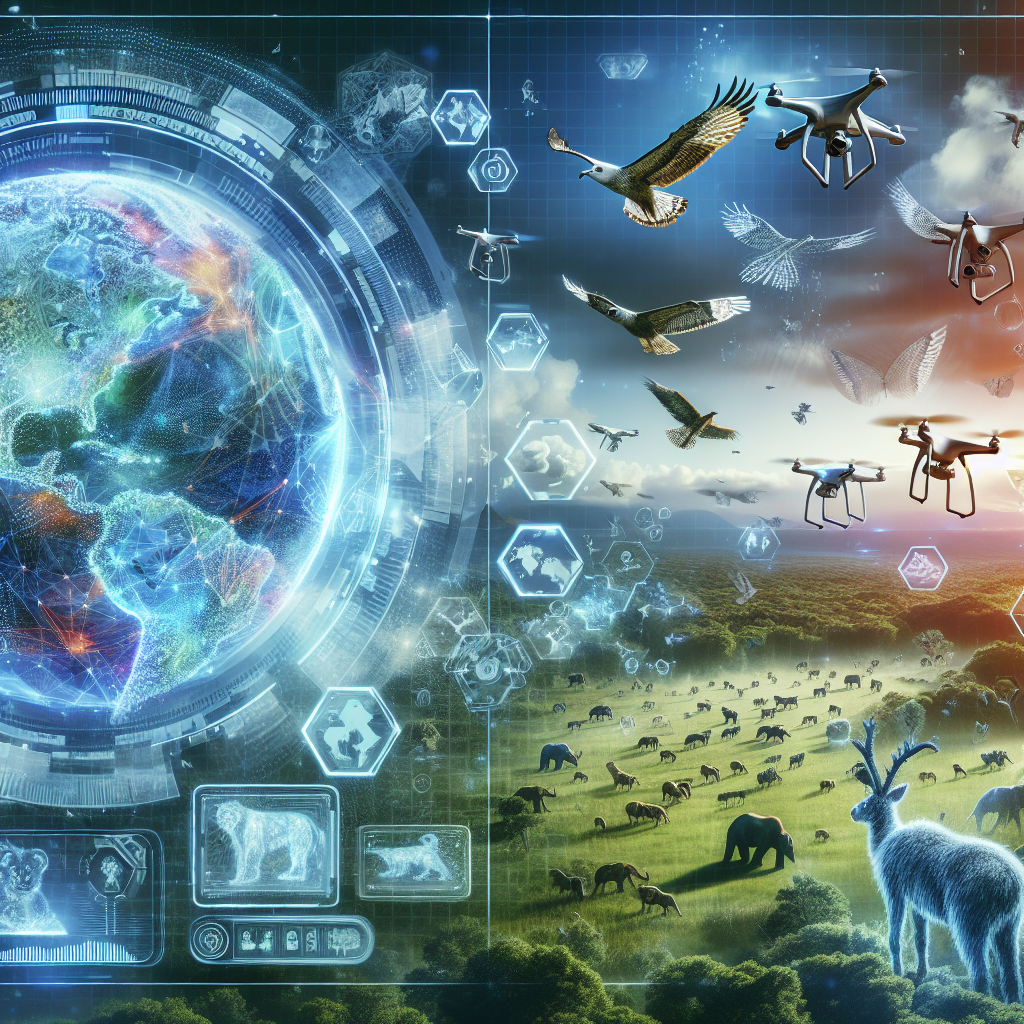
The Impact of AI on Wildlife Protection
Artificial Intelligence (AI) is revolutionizing the way we approach wildlife protection. With advances in technology, AI is being used to monitor, track, and protect endangered species in ways that were not possible before. From drones to camera traps, AI is helping conservationists gather data and make informed decisions to save our planet’s wildlife.
AI technologies such as machine learning and computer vision are being used to analyze large amounts of data collected from various sources, such as satellite images, camera traps, and acoustic sensors. This data is then used to monitor wildlife populations, track animal movements, and detect illegal activities such as poaching and deforestation.
One of the key benefits of using AI in wildlife protection is its ability to process vast amounts of data quickly and accurately. This allows conservationists to identify trends and patterns that would be impossible to detect with traditional methods. For example, AI can analyze satellite images to track changes in habitat loss or monitor animal populations over time.
AI is also being used to develop predictive models that can help conservationists anticipate and respond to threats to wildlife. By analyzing historical data and environmental factors, AI can help identify areas at high risk of poaching or habitat destruction, allowing conservationists to prioritize their efforts and allocate resources more effectively.
In addition to monitoring wildlife populations, AI is also being used to combat illegal activities such as poaching. By analyzing data from camera traps and other sources, AI can help identify poaching hotspots and track the movements of poachers. This information can then be used to inform law enforcement agencies and guide anti-poaching efforts.
Furthermore, AI is helping conservationists better understand animal behavior and ecology. By analyzing data on animal movements and interactions, AI can help researchers gain insights into how species interact with their environment and each other. This information can be used to develop more effective conservation strategies and protect biodiversity.
One example of AI in action is the use of drones to monitor wildlife populations. Drones equipped with cameras and AI algorithms can fly over remote areas and collect data on wildlife populations, habitat conditions, and illegal activities. This information can then be used to inform conservation efforts and protect endangered species.
Another example is the use of AI-powered camera traps to monitor wildlife populations. These camera traps can capture images and videos of animals in their natural habitat, allowing researchers to track population trends and behavior patterns. AI algorithms can then analyze this data to identify individual animals, track their movements, and detect any signs of distress or danger.
Overall, the impact of AI on wildlife protection is significant. By leveraging technology to monitor, track, and protect endangered species, conservationists are able to make more informed decisions and take action to save our planet’s biodiversity. With continued advances in AI and conservation technology, we can hope to see even greater successes in wildlife protection in the future.
FAQs:
Q: How is AI being used to monitor wildlife populations?
A: AI is being used to analyze data from various sources, such as satellite images, camera traps, and acoustic sensors, to monitor wildlife populations. By processing large amounts of data quickly and accurately, AI can help conservationists track animal movements, identify trends, and detect threats to wildlife.
Q: How is AI helping combat illegal activities such as poaching?
A: AI is being used to analyze data from camera traps and other sources to identify poaching hotspots, track the movements of poachers, and inform law enforcement agencies. By providing real-time information on illegal activities, AI can help protect endangered species and prevent wildlife crime.
Q: What are some examples of AI in action in wildlife protection?
A: Some examples of AI in action in wildlife protection include the use of drones to monitor wildlife populations, AI-powered camera traps to track animal movements, and predictive models to anticipate and respond to threats to wildlife. These technologies are helping conservationists better understand and protect endangered species.
Q: What are the benefits of using AI in wildlife protection?
A: The benefits of using AI in wildlife protection include the ability to process large amounts of data quickly and accurately, monitor animal populations more effectively, combat illegal activities such as poaching, and gain insights into animal behavior and ecology. AI is revolutionizing the way we approach conservation and helping to save endangered species.