
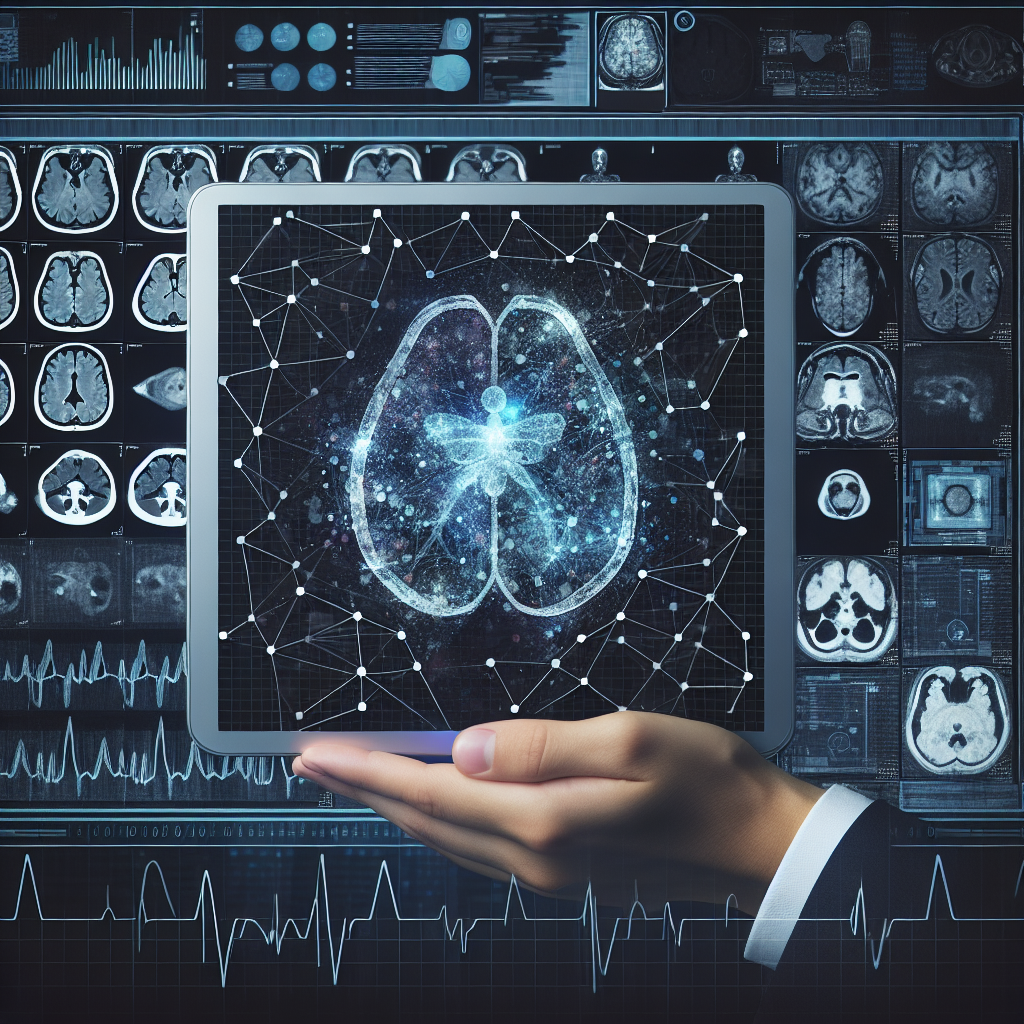
The Role of AI Platforms in Medical Imaging
Medical imaging plays a crucial role in healthcare by providing detailed images of the human body to aid in diagnosis, treatment planning, and monitoring of various medical conditions. Over the years, advancements in technology have transformed the field of medical imaging, making it more accurate and efficient. One of the most significant advancements in recent years is the integration of artificial intelligence (AI) platforms into medical imaging.
AI platforms have the potential to revolutionize medical imaging by enhancing the accuracy and efficiency of image analysis, enabling faster diagnosis, and improving patient outcomes. In this article, we will explore the role of AI platforms in medical imaging, the benefits they offer, and some frequently asked questions about this technology.
Benefits of AI Platforms in Medical Imaging
1. Improved Accuracy: AI platforms can analyze medical images with a level of accuracy that is difficult to achieve manually. These platforms can detect subtle abnormalities in images that may be missed by human eyes, leading to more accurate diagnoses and treatment plans.
2. Faster Diagnosis: AI platforms can process medical images much faster than human radiologists, enabling quicker diagnosis and treatment. This can be especially crucial in emergency situations where timely diagnosis is essential for patient outcomes.
3. Enhanced Efficiency: By automating the analysis of medical images, AI platforms can free up radiologists’ time to focus on more complex cases and patient care. This can help reduce the workload on healthcare professionals and improve overall efficiency in healthcare settings.
4. Personalized Medicine: AI platforms can analyze medical images to provide personalized treatment plans tailored to each patient’s unique characteristics. By considering factors such as genetics, lifestyle, and medical history, AI platforms can help healthcare providers deliver more targeted and effective treatments.
5. Quality Assurance: AI platforms can serve as a second opinion for radiologists, helping to ensure the accuracy and consistency of diagnoses. By comparing the results of AI analysis with human interpretations, healthcare providers can have more confidence in their diagnoses and treatment plans.
AI Platforms in Medical Imaging
AI platforms in medical imaging utilize deep learning algorithms to analyze and interpret medical images, such as X-rays, CT scans, MRIs, and ultrasounds. These algorithms are trained on large datasets of medical images to learn patterns and features that are indicative of various medical conditions. Once trained, AI platforms can analyze new medical images and provide insights to healthcare providers.
There are several ways in which AI platforms are being utilized in medical imaging, including:
1. Image Segmentation: AI platforms can segment medical images to identify and delineate different structures and tissues within the body. This can help healthcare providers visualize and analyze specific areas of interest more effectively.
2. Disease Detection: AI platforms can detect and classify abnormalities in medical images, such as tumors, fractures, and other anomalies. By flagging potential abnormalities, AI platforms can help healthcare providers prioritize cases for further evaluation and treatment.
3. Treatment Planning: AI platforms can assist healthcare providers in developing treatment plans based on the analysis of medical images. By providing insights into the extent and location of abnormalities, AI platforms can help optimize treatment strategies and improve patient outcomes.
4. Monitoring: AI platforms can track changes in medical images over time to monitor disease progression and treatment response. By analyzing sequential images, AI platforms can help healthcare providers assess the effectiveness of treatments and make informed decisions about patient care.
Frequently Asked Questions about AI Platforms in Medical Imaging
Q: How are AI platforms trained to analyze medical images?
A: AI platforms are trained using deep learning algorithms on large datasets of labeled medical images. During training, the algorithms learn patterns and features that are indicative of various medical conditions, enabling them to analyze new images and provide insights to healthcare providers.
Q: Can AI platforms replace human radiologists in medical imaging?
A: While AI platforms can assist radiologists in analyzing medical images, they are not designed to replace human radiologists. AI platforms serve as a tool to enhance the accuracy and efficiency of image analysis, but human expertise is still necessary to interpret results and make clinical decisions.
Q: Are AI platforms in medical imaging regulated by healthcare authorities?
A: Yes, AI platforms in medical imaging are subject to regulation by healthcare authorities to ensure patient safety and data privacy. Regulatory bodies such as the FDA in the United States and the EMA in Europe have established guidelines for the development and deployment of AI platforms in healthcare settings.
Q: How secure are AI platforms in medical imaging in terms of patient data?
A: AI platforms in medical imaging adhere to strict data privacy and security standards to protect patient data. Encryption, access controls, and other security measures are implemented to safeguard patient information and ensure compliance with healthcare privacy regulations.
Q: What is the future of AI platforms in medical imaging?
A: The future of AI platforms in medical imaging looks promising, with ongoing advancements in technology and research. As AI algorithms become more sophisticated and data-driven, they have the potential to further improve the accuracy and efficiency of image analysis, leading to better patient outcomes and personalized medicine.
In conclusion, AI platforms are playing an increasingly important role in medical imaging by enhancing the accuracy, efficiency, and personalized nature of image analysis. By leveraging deep learning algorithms, these platforms can provide valuable insights to healthcare providers, leading to faster diagnosis, improved treatment planning, and better patient outcomes. As technology continues to evolve, the integration of AI platforms in medical imaging is expected to revolutionize healthcare delivery and pave the way for more advanced and effective medical treatments.