
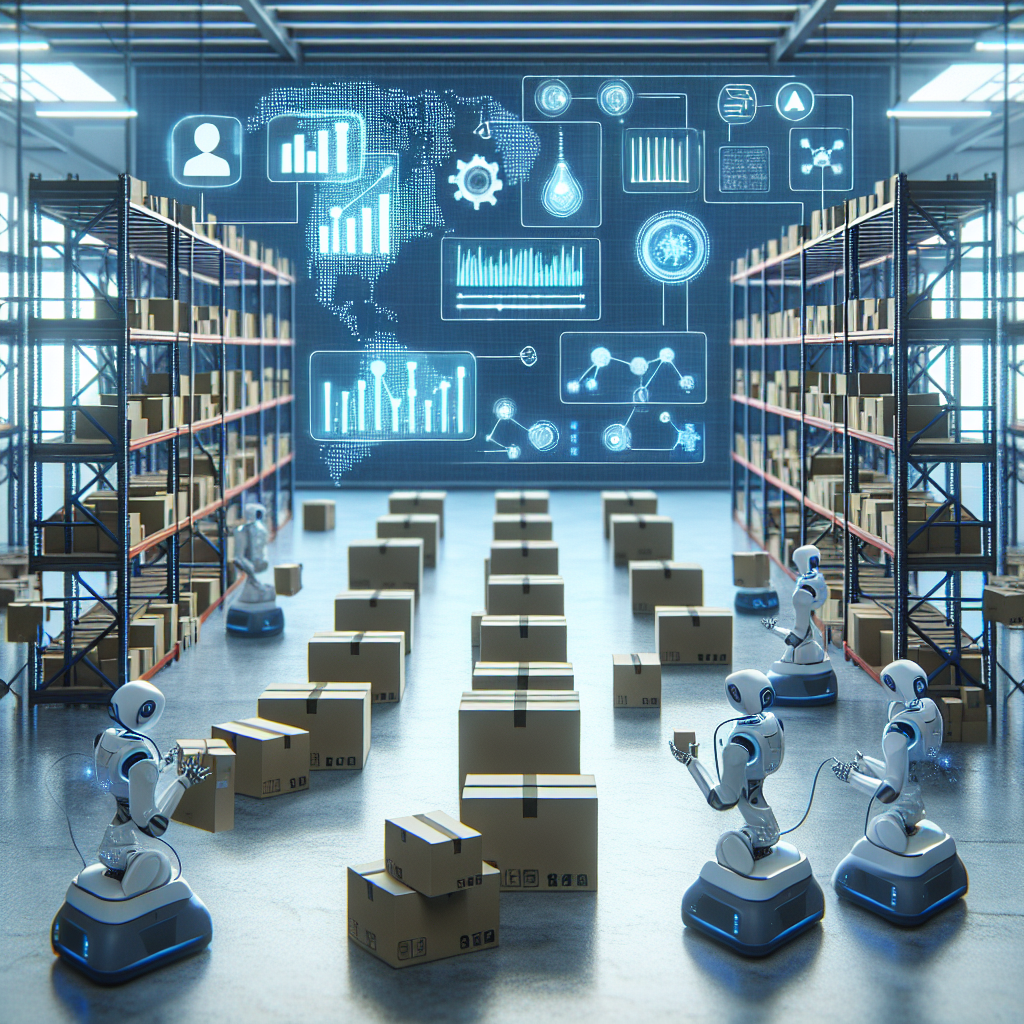
The Role of AI in Improving Supply Chain Management
The supply chain is a critical component of any business operation, responsible for ensuring the efficient flow of goods and services from suppliers to customers. In recent years, advancements in technology, particularly in the field of artificial intelligence (AI), have revolutionized the way supply chains are managed. AI has the potential to significantly improve supply chain efficiency, reduce costs, and enhance customer satisfaction. In this article, we will explore the role of AI in supply chain management and how it is transforming the industry.
What is AI in Supply Chain Management?
AI refers to the simulation of human intelligence processes by machines, particularly computer systems. In the context of supply chain management, AI technologies such as machine learning, natural language processing, and predictive analytics are being used to automate and optimize various aspects of the supply chain. These technologies enable businesses to analyze vast amounts of data, identify patterns and trends, and make more informed decisions in real-time.
How is AI Improving Supply Chain Management?
1. Demand Forecasting: One of the key challenges in supply chain management is accurately predicting demand for products. AI algorithms can analyze historical sales data, market trends, and other relevant factors to create more accurate demand forecasts. This helps businesses optimize inventory levels, reduce stockouts, and improve customer satisfaction.
2. Inventory Management: AI can also optimize inventory management by identifying slow-moving or obsolete inventory, predicting demand fluctuations, and recommending optimal reorder points. This ensures that businesses have the right amount of stock on hand at all times, reducing carrying costs and minimizing stockouts.
3. Supply Chain Visibility: AI technologies can provide real-time visibility into the entire supply chain, allowing businesses to track shipments, monitor inventory levels, and identify potential disruptions. This enhanced visibility enables businesses to proactively address issues and improve overall supply chain performance.
4. Route Optimization: AI algorithms can optimize delivery routes based on factors such as traffic conditions, weather patterns, and delivery schedules. This helps businesses reduce transportation costs, improve on-time delivery rates, and minimize fuel consumption.
5. Supplier Relationship Management: AI can also enhance supplier relationship management by analyzing supplier performance data, identifying high-risk suppliers, and recommending alternative suppliers. This helps businesses build stronger partnerships with suppliers, reduce supply chain risks, and improve overall supplier performance.
FAQs
1. How can AI help businesses reduce supply chain costs?
AI can help businesses reduce supply chain costs by optimizing inventory levels, improving demand forecasting, enhancing supply chain visibility, and optimizing transportation routes. These efficiencies result in lower carrying costs, reduced stockouts, and minimized transportation expenses.
2. What are the challenges of implementing AI in supply chain management?
Some of the challenges of implementing AI in supply chain management include data integration issues, lack of skilled AI talent, resistance to change from employees, and concerns about data privacy and security. Overcoming these challenges requires careful planning, investment in training and technology, and collaboration between different departments within the organization.
3. How can businesses measure the ROI of AI in supply chain management?
Businesses can measure the ROI of AI in supply chain management by tracking key performance indicators such as inventory turnover, on-time delivery rates, customer satisfaction scores, and supply chain costs. By comparing these metrics before and after implementing AI technologies, businesses can quantify the impact of AI on their supply chain performance.
In conclusion, AI is playing an increasingly important role in improving supply chain management. By leveraging AI technologies to optimize demand forecasting, inventory management, supply chain visibility, route optimization, and supplier relationship management, businesses can achieve cost savings, operational efficiencies, and enhanced customer satisfaction. While there are challenges to implementing AI in supply chain management, the potential benefits far outweigh the risks. As AI continues to evolve, businesses that embrace these technologies will gain a competitive advantage in today’s fast-paced and dynamic business environment.