
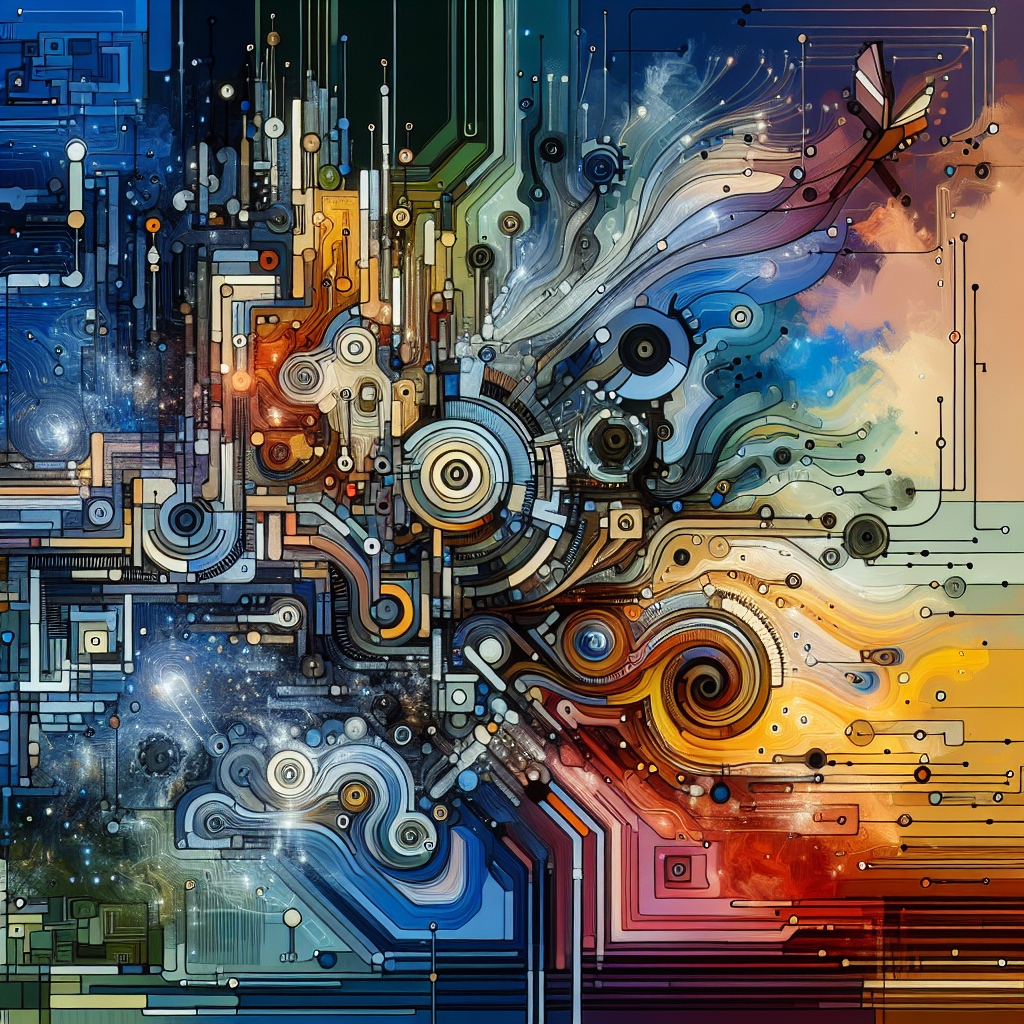
Artificial Intelligence (AI) has been making waves in the art world in recent years, with many artists and technologists exploring the ways in which this technology can be used to push the boundaries of creativity. From creating digital works of art to aiding in the creative process, AI is revolutionizing the way we think about and create art. In this article, we will explore the future of art and the role that AI is playing in pushing creative limits.
One of the most exciting aspects of AI in art is its ability to generate new and innovative ideas. Through machine learning algorithms, AI can analyze vast amounts of data and generate unique and original concepts that may not have been possible through traditional means. This has opened up a world of possibilities for artists, allowing them to explore new styles, techniques, and themes that they may not have considered before.
Another way in which AI is revolutionizing the art world is through its ability to automate certain aspects of the creative process. For example, AI can help artists generate sketches, draft compositions, and even suggest color palettes, allowing them to focus on the more conceptual and expressive aspects of their work. This can be especially useful for artists who may struggle with certain technical aspects of their craft, allowing them to experiment and explore new ideas without being limited by their technical skills.
In addition to assisting in the creative process, AI is also being used to create entirely new forms of art. For example, AI-generated art, also known as generative art, involves using algorithms to create unique and dynamic pieces that are constantly evolving and changing. This type of art challenges traditional notions of authorship and creativity, as the artist may not have complete control over the final outcome. Instead, they must collaborate with the AI system to create something truly unique and innovative.
One of the most famous examples of AI-generated art is the “Portrait of Edmond de Belamy,” created by the Paris-based art collective Obvious using a machine learning algorithm. The portrait, which depicts a fictional character, was sold at auction for over $400,000, sparking a debate about the role of AI in the art world and the value of machine-generated art.
AI is also being used to create immersive and interactive art experiences, such as virtual reality (VR) and augmented reality (AR) installations. These technologies allow artists to create digital worlds that viewers can explore and interact with, blurring the lines between the physical and virtual realms. This opens up new possibilities for artists to create multi-sensory experiences that engage the viewer on a deeper level, pushing the boundaries of traditional art forms.
While AI is undoubtedly pushing the creative limits of art, it also raises important questions about the role of technology in the creative process. Some critics argue that AI-generated art lacks the emotional depth and human touch that is essential to true artistic expression. They worry that relying too heavily on AI may lead to a homogenization of artistic styles and a loss of individuality and authenticity.
However, proponents of AI in art argue that technology can enhance, rather than replace, human creativity. By collaborating with AI systems, artists can expand their creative horizons and explore new possibilities that may not have been possible otherwise. AI can serve as a tool for artists to experiment, innovate, and push the boundaries of traditional art forms, leading to new and exciting artistic discoveries.
In conclusion, the future of art is undoubtedly intertwined with AI, as this technology continues to push the boundaries of creativity and innovation. From generating new ideas to automating aspects of the creative process to creating entirely new forms of art, AI is revolutionizing the way we think about and create art. While there are valid concerns about the impact of AI on artistic expression, there is no denying the exciting possibilities that this technology presents for artists and art lovers alike.
FAQs:
Q: Can AI truly be creative?
A: While AI cannot replicate human creativity in the traditional sense, it can generate new and innovative ideas that may not have been possible through human means alone. AI can analyze vast amounts of data and generate unique concepts, pushing the boundaries of creativity in new and exciting ways.
Q: How can artists collaborate with AI in their creative process?
A: Artists can collaborate with AI by using machine learning algorithms to generate sketches, draft compositions, suggest color palettes, and even create entirely new forms of art. By incorporating AI into their creative process, artists can experiment, innovate, and explore new possibilities that may not have been possible otherwise.
Q: What are some examples of AI-generated art?
A: One famous example of AI-generated art is the “Portrait of Edmond de Belamy,” created by the Paris-based art collective Obvious using a machine learning algorithm. This portrait, which depicts a fictional character, was sold at auction for over $400,000, sparking a debate about the role of AI in the art world.
Q: What are some potential drawbacks of using AI in art?
A: Some critics argue that AI-generated art lacks the emotional depth and human touch that is essential to true artistic expression. They worry that relying too heavily on AI may lead to a homogenization of artistic styles and a loss of individuality and authenticity. However, proponents of AI in art believe that technology can enhance, rather than replace, human creativity.