
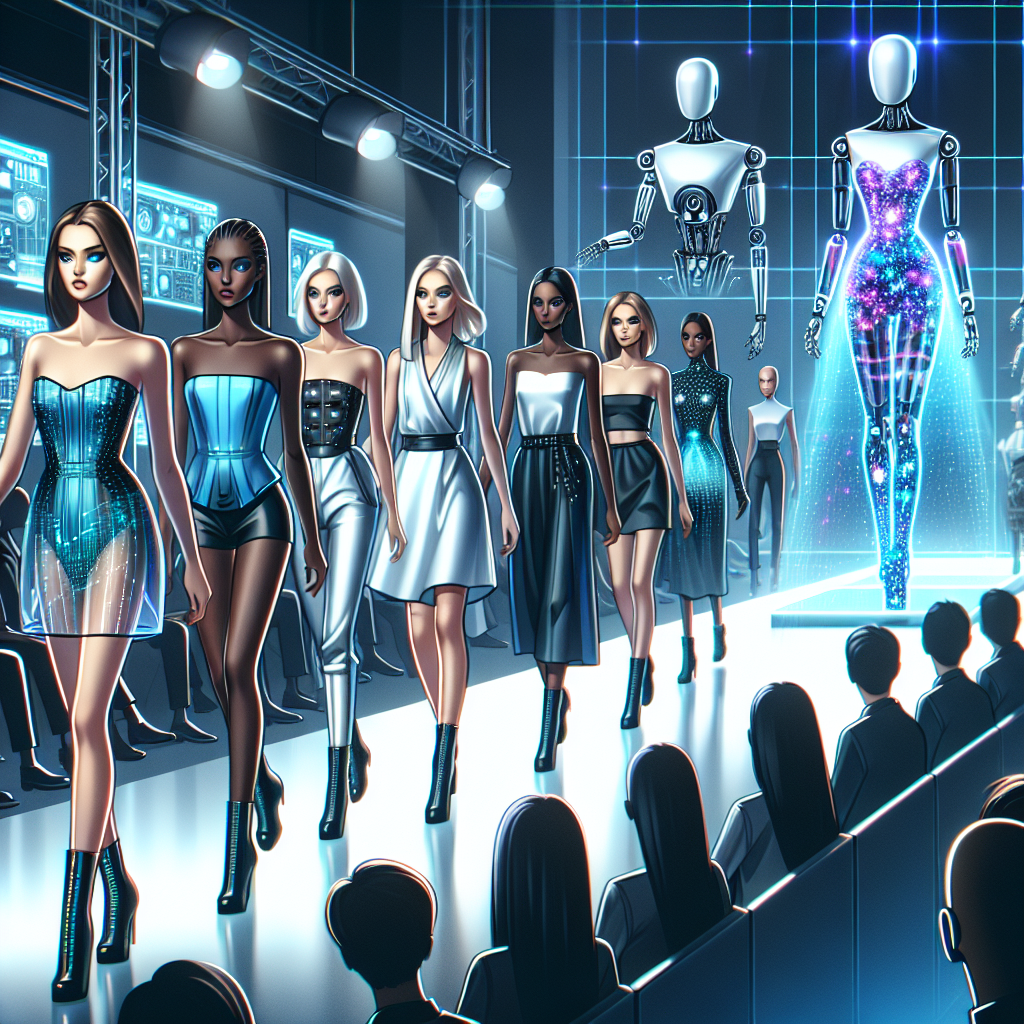
The fashion industry is constantly evolving, with new trends, styles, and technologies shaping the way we shop and dress. In recent years, one of the most significant advancements in the field has been the integration of artificial intelligence (AI) into various aspects of the industry. From designing and manufacturing to marketing and retail, AI is revolutionizing the way fashion is created, consumed, and experienced.
AI in Fashion Design
One of the most exciting applications of AI in the fashion industry is in the design process. Traditionally, fashion designers rely on their creativity and intuition to come up with new designs. However, AI algorithms can now analyze vast amounts of data, including trends, customer preferences, and historical sales data, to predict what styles will be popular in the future.
This predictive capability has been used by companies like Stitch Fix, which uses AI to recommend personalized clothing items to customers based on their style preferences and body type. This not only helps customers find clothes that they love but also helps retailers reduce their inventory and waste.
AI is also being used to generate new designs autonomously. For example, IBM’s Watson created a dress for the Met Gala in 2016 based on analyzing the event’s previous looks and red carpet trends. This demonstrates the potential for AI to push the boundaries of creativity in fashion design.
AI in Manufacturing
In addition to design, AI is also revolutionizing the manufacturing process in the fashion industry. Traditionally, manufacturing clothing involves a lot of manual labor, which can be time-consuming and costly. AI-powered robots are now being used to automate tasks like cutting fabric, sewing, and quality control, speeding up the production process and reducing errors.
Companies like Adidas and H&M are using AI to optimize their supply chains and improve efficiency. By analyzing data on factors like weather, consumer demand, and transportation costs, AI can help companies make better decisions about when and where to produce their clothing.
AI in Marketing and Retail
AI is also transforming the way fashion brands market and sell their products. Online retailers like Amazon and ASOS use AI algorithms to recommend products to customers based on their browsing history and purchase behavior. This personalized shopping experience not only improves customer satisfaction but also increases sales and revenue for retailers.
AI is also being used to create virtual fitting rooms, where customers can try on clothes digitally before making a purchase. This technology not only reduces the need for physical fitting rooms but also helps customers make more informed decisions about their purchases.
Furthermore, AI is being used to analyze social media and consumer sentiment to identify trends and predict future demand. This allows fashion brands to stay ahead of the curve and create products that resonate with consumers.
The Future of AI in Fashion
The future of AI in the fashion industry is bright, with new applications and technologies emerging all the time. As AI continues to evolve, we can expect to see even more innovative uses of the technology in areas like sustainability, customization, and virtual reality.
Sustainability is a major concern in the fashion industry, with the production of clothing contributing to environmental degradation and waste. AI can help reduce the industry’s impact on the environment by optimizing manufacturing processes, reducing waste, and creating more sustainable materials.
Customization is another area where AI has the potential to revolutionize the fashion industry. With AI algorithms that can analyze individual preferences and body measurements, brands can create personalized clothing items that fit perfectly and reflect the customer’s unique style.
Virtual reality is also poised to change the way we shop for fashion. With VR technology, customers can try on clothes in a virtual environment, allowing them to see how a garment looks and fits before making a purchase. This not only enhances the shopping experience but also reduces the need for returns and exchanges.
FAQs
Q: Will AI replace human fashion designers?
A: While AI can assist in the design process, it is unlikely to completely replace human designers. Creativity and intuition are essential aspects of fashion design that AI cannot replicate. However, AI can help designers generate new ideas, analyze trends, and optimize their designs.
Q: Is AI making the fashion industry more sustainable?
A: Yes, AI is helping the fashion industry become more sustainable by optimizing manufacturing processes, reducing waste, and creating more sustainable materials. By analyzing data and making informed decisions, companies can minimize their environmental impact and work towards a more sustainable future.
Q: How is AI being used in retail?
A: AI is being used in retail to personalize the shopping experience, analyze consumer sentiment, and recommend products to customers. Virtual fitting rooms, personalized recommendations, and trend analysis are just a few examples of how AI is transforming the retail experience for fashion consumers.
In conclusion, the future of fashion is being shaped by artificial intelligence in exciting and innovative ways. From design and manufacturing to marketing and retail, AI is revolutionizing the industry and creating new opportunities for creativity, sustainability, and customization. As AI continues to evolve, we can expect to see even more groundbreaking applications of the technology that will transform the way we shop, dress, and experience fashion.