
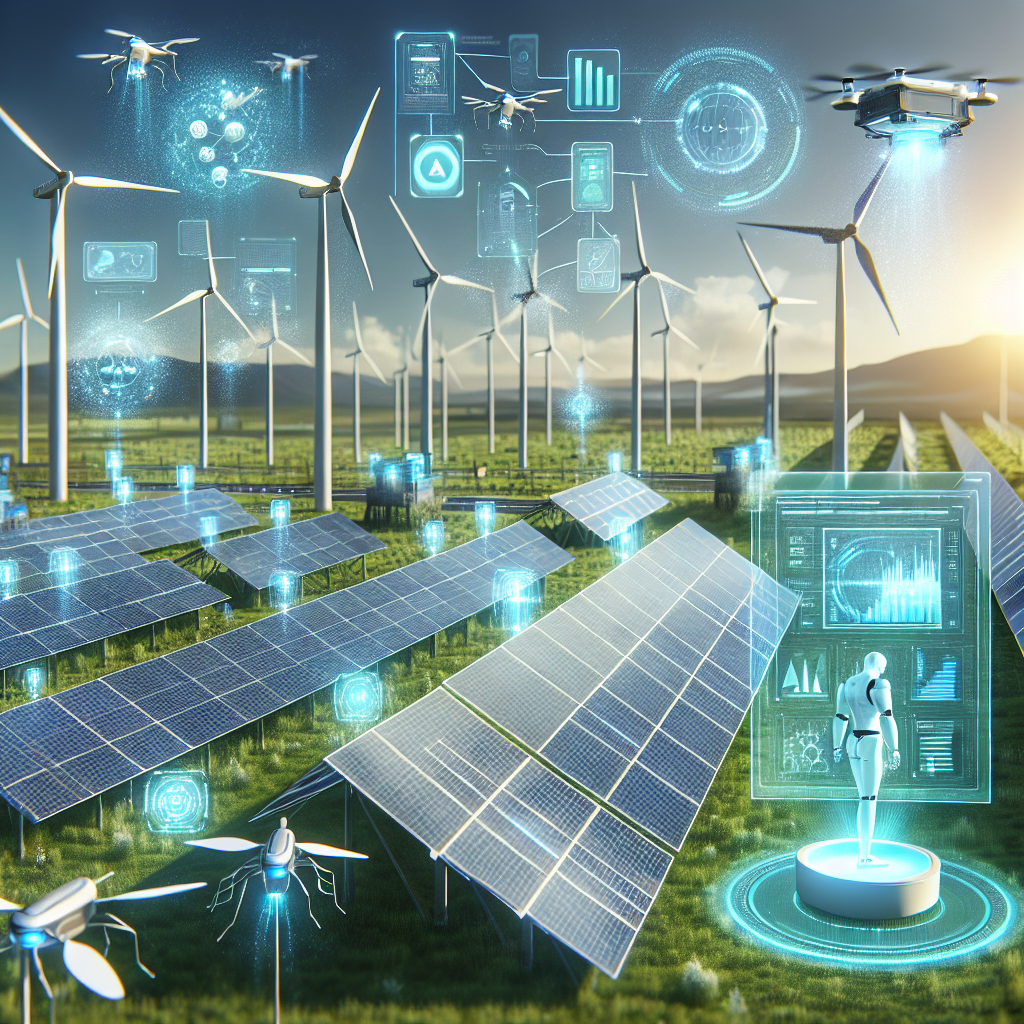
Advantages of AI in Monitoring and Controlling Renewable Energy Sources
Introduction
Artificial Intelligence (AI) has transformed various industries in recent years, and the energy sector is no exception. One of the key areas where AI has made a significant impact is in monitoring and controlling renewable energy sources. Renewable energy sources such as solar, wind, hydro, and geothermal power have become increasingly popular due to their environmental benefits and cost-effectiveness. However, managing these sources efficiently and effectively can be a complex task. This is where AI comes in, offering a range of advantages in monitoring and controlling renewable energy sources.
Advantages of AI in Monitoring and Controlling Renewable Energy Sources
1. Improved Efficiency
One of the key advantages of using AI in monitoring and controlling renewable energy sources is improved efficiency. AI algorithms can analyze vast amounts of data in real-time, enabling operators to optimize the performance of renewable energy systems. For example, AI can predict fluctuations in solar and wind power generation based on weather forecasts, allowing operators to adjust their energy production accordingly. This helps to maximize the output of renewable energy sources and reduce wastage.
2. Predictive Maintenance
AI can also be used for predictive maintenance of renewable energy systems. By analyzing data from sensors and other monitoring devices, AI algorithms can identify potential issues before they occur. This allows operators to schedule maintenance tasks proactively, minimizing downtime and reducing the risk of costly equipment failures. Predictive maintenance can also help to extend the lifespan of renewable energy systems, ensuring a higher return on investment.
3. Optimal Energy Storage
Energy storage is a crucial component of renewable energy systems, allowing excess energy to be stored for use when production is low. AI can help to optimize energy storage by analyzing historical data and predicting future energy demand. This enables operators to determine the optimal size and configuration of energy storage systems, ensuring that renewable energy sources are used efficiently and effectively. AI can also help to manage the charging and discharging of energy storage systems, maximizing their performance and longevity.
4. Grid Stability
Renewable energy sources are often intermittent in nature, with fluctuations in energy production depending on factors such as weather conditions and time of day. AI can help to ensure grid stability by balancing supply and demand in real-time. By analyzing data from renewable energy sources, energy storage systems, and grid infrastructure, AI algorithms can predict and respond to changes in energy production and consumption. This helps to prevent blackouts and other grid disturbances, ensuring a reliable supply of electricity to consumers.
5. Cost Savings
AI can help to reduce the operational costs of monitoring and controlling renewable energy sources. By automating routine tasks such as data analysis, maintenance scheduling, and energy management, AI can free up human operators to focus on more strategic activities. This can lead to cost savings in terms of labor, equipment maintenance, and energy efficiency. In addition, AI can help to optimize the performance of renewable energy systems, maximizing their output and reducing the need for costly upgrades or expansions.
FAQs
Q: How does AI improve the efficiency of renewable energy sources?
A: AI can analyze vast amounts of data in real-time, enabling operators to optimize the performance of renewable energy systems. By predicting fluctuations in energy production and consumption, AI helps to maximize the output of renewable energy sources and reduce wastage.
Q: How can AI help with predictive maintenance of renewable energy systems?
A: AI algorithms can analyze data from sensors and monitoring devices to identify potential issues before they occur. This allows operators to schedule maintenance tasks proactively, minimizing downtime and reducing the risk of equipment failures.
Q: How does AI optimize energy storage in renewable energy systems?
A: By analyzing historical data and predicting future energy demand, AI helps operators determine the optimal size and configuration of energy storage systems. This ensures that renewable energy sources are used efficiently and effectively.
Q: How does AI ensure grid stability in renewable energy systems?
A: AI algorithms can balance supply and demand in real-time by analyzing data from renewable energy sources, energy storage systems, and grid infrastructure. This helps to prevent blackouts and other grid disturbances, ensuring a reliable supply of electricity.
Q: What cost savings can be achieved by using AI in monitoring and controlling renewable energy sources?
A: AI can help to reduce operational costs by automating routine tasks such as data analysis, maintenance scheduling, and energy management. This can lead to cost savings in terms of labor, equipment maintenance, and energy efficiency.
Conclusion
AI offers a range of advantages in monitoring and controlling renewable energy sources, from improved efficiency and predictive maintenance to optimal energy storage and grid stability. By leveraging AI technologies, operators can maximize the performance of renewable energy systems, reduce operational costs, and ensure a reliable and sustainable energy supply. As the demand for renewable energy continues to grow, AI will play an increasingly important role in shaping the future of the energy sector.