
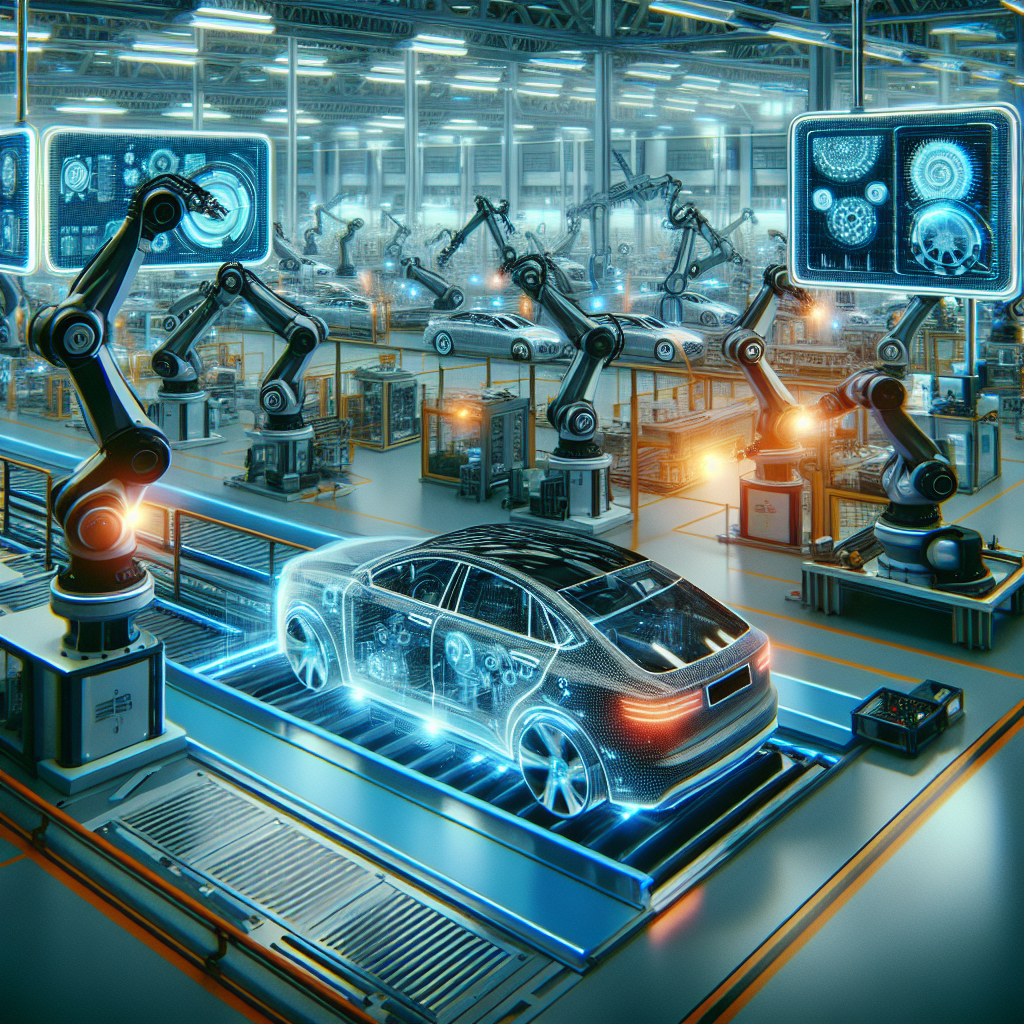
AI-Enabled Quality Assurance for Automotive Manufacturing
In the fast-paced world of automotive manufacturing, quality assurance is a crucial aspect of ensuring that vehicles meet the highest standards of safety, reliability, and performance. With the increasing complexity of modern vehicles and the growing demands of consumers for high-quality products, manufacturers are turning to artificial intelligence (AI) to improve their quality control processes.
AI-enabled quality assurance systems utilize advanced algorithms and machine learning techniques to analyze vast amounts of data in real-time, allowing manufacturers to detect defects, identify potential issues, and make corrections before they impact production. By harnessing the power of AI, automotive manufacturers can enhance their quality control processes, improve product quality, and reduce costs associated with defects and recalls.
One of the key benefits of AI-enabled quality assurance is its ability to detect defects that may be missed by human inspectors. Traditional quality control processes rely on visual inspections and manual checks, which can be time-consuming and prone to human error. AI systems, on the other hand, can analyze images, sensor data, and other inputs with a high level of accuracy and consistency, enabling manufacturers to identify defects quickly and accurately.
In addition to defect detection, AI-enabled quality assurance systems can also predict potential issues before they occur. By analyzing historical data and identifying patterns, AI algorithms can help manufacturers anticipate problems and take proactive measures to prevent defects and ensure product quality. This proactive approach can help manufacturers avoid costly recalls and reputation damage, ultimately saving time and resources.
Furthermore, AI-enabled quality assurance systems can also optimize production processes and improve overall efficiency. By continuously monitoring and analyzing production data, AI algorithms can identify opportunities for process improvement, reduce waste, and increase productivity. This data-driven approach enables manufacturers to make data-driven decisions and optimize their manufacturing processes for better quality and performance.
Overall, AI-enabled quality assurance systems offer numerous benefits for automotive manufacturers, including improved defect detection, proactive issue prediction, and optimized production processes. By harnessing the power of AI, manufacturers can enhance their quality control processes, increase product quality, and reduce costs associated with defects and recalls.
FAQs
Q: How does AI-enabled quality assurance differ from traditional quality control processes?
A: AI-enabled quality assurance systems utilize advanced algorithms and machine learning techniques to analyze vast amounts of data in real-time, enabling manufacturers to detect defects, predict potential issues, and optimize production processes. Traditional quality control processes, on the other hand, rely on visual inspections and manual checks, which can be time-consuming and prone to human error.
Q: What are the key benefits of AI-enabled quality assurance for automotive manufacturing?
A: Some of the key benefits of AI-enabled quality assurance for automotive manufacturing include improved defect detection, proactive issue prediction, optimized production processes, and increased product quality. By harnessing the power of AI, manufacturers can enhance their quality control processes, reduce costs associated with defects and recalls, and improve overall efficiency.
Q: How can AI-enabled quality assurance help automotive manufacturers improve product quality?
A: AI-enabled quality assurance systems can help automotive manufacturers improve product quality by detecting defects that may be missed by human inspectors, predicting potential issues before they occur, and optimizing production processes for better quality and performance. By utilizing AI algorithms, manufacturers can enhance their quality control processes, increase product quality, and reduce costs associated with defects and recalls.