
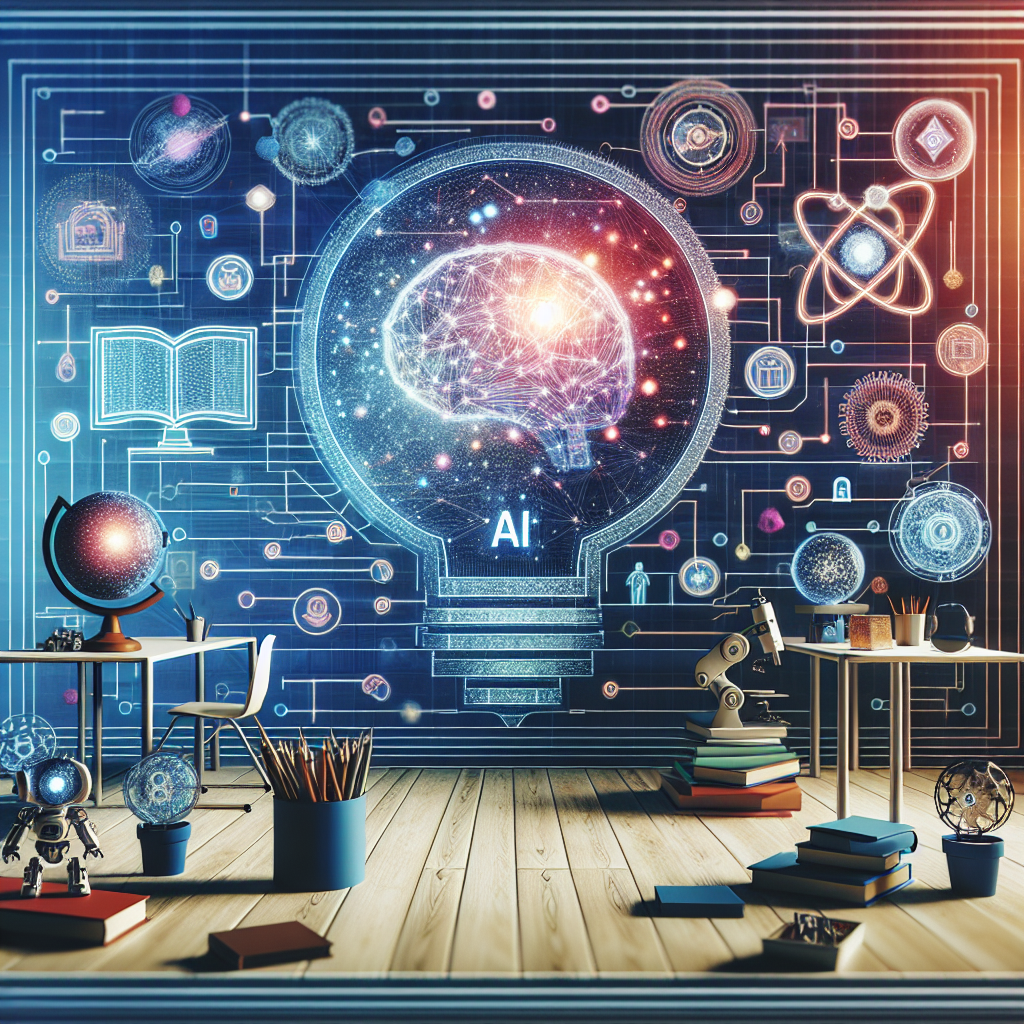
Artificial Intelligence (AI) has been making waves in various industries, and the field of education is no exception. With the rapid advancements in technology, AI is revolutionizing the way students learn and teachers teach. In this article, we will explore the future of AI in educational technology and its potential impact on the way we educate and learn.
AI in Education: Current Landscape
AI in education is already being used in various ways to enhance the learning experience. One of the most common applications of AI in education is personalized learning. Through the use of AI algorithms, educational platforms can tailor learning materials to the specific needs and learning styles of individual students. This allows students to learn at their own pace and focus on areas where they need the most help.
Another key application of AI in education is intelligent tutoring systems. These systems use AI algorithms to analyze student data and provide personalized feedback and guidance to help students improve their learning outcomes. Intelligent tutoring systems can adapt to the individual needs of students, providing them with the support they need to succeed.
AI is also being used to automate administrative tasks in education, such as grading assignments and managing student records. This allows teachers to spend more time focusing on teaching and interacting with students, rather than on paperwork and administrative tasks.
The Future of AI in Educational Technology
The future of AI in educational technology holds great promise. As AI technology continues to advance, we can expect to see even more innovative applications of AI in education. Here are some key trends that we can expect to see in the future:
1. Virtual Teachers and Tutors: AI-powered virtual teachers and tutors will become more common in the future. These virtual teachers will be able to provide personalized instruction to students, helping them learn at their own pace and in a way that suits their individual learning styles.
2. Adaptive Learning Platforms: AI-powered adaptive learning platforms will become more sophisticated, providing students with personalized learning experiences that are tailored to their specific needs and abilities. These platforms will be able to track student progress and adjust the curriculum accordingly to ensure that students are challenged at the right level.
3. Augmented Reality and Virtual Reality: AI-powered augmented reality and virtual reality technologies will transform the way students learn by creating immersive and interactive learning experiences. These technologies will allow students to explore complex concepts in a hands-on way, making learning more engaging and effective.
4. Data Analytics: AI-powered data analytics tools will enable educators to gain deeper insights into student performance and learning patterns. By analyzing large amounts of data, educators will be able to identify trends and patterns that can help improve teaching methods and student outcomes.
5. Natural Language Processing: AI-powered natural language processing technologies will enable students to interact with educational content using natural language. This will make learning more intuitive and engaging, allowing students to ask questions and receive feedback in a more conversational way.
FAQs
Q: Will AI replace teachers in the future?
A: While AI technology has the potential to automate certain tasks in education, such as grading assignments and providing personalized feedback, it is unlikely to replace teachers entirely. Teachers play a crucial role in providing emotional support, guidance, and inspiration to students, which AI technology cannot replicate.
Q: Will AI technology be accessible to all students?
A: As AI technology becomes more widespread and affordable, it is likely that it will become accessible to all students. However, there may still be disparities in access to AI technology based on factors such as socioeconomic status and geographic location.
Q: How will AI technology impact the role of teachers in education?
A: AI technology will transform the role of teachers in education by automating certain tasks and providing teachers with valuable insights into student performance. Teachers will be able to spend more time focusing on providing personalized instruction, mentoring students, and fostering critical thinking skills.
In conclusion, the future of AI in educational technology is bright, with the potential to revolutionize the way we teach and learn. As AI technology continues to advance, we can expect to see innovative applications that enhance the learning experience for students and empower educators to be more effective in their teaching. By embracing AI technology in education, we can create a more personalized, engaging, and effective learning environment for all students.