
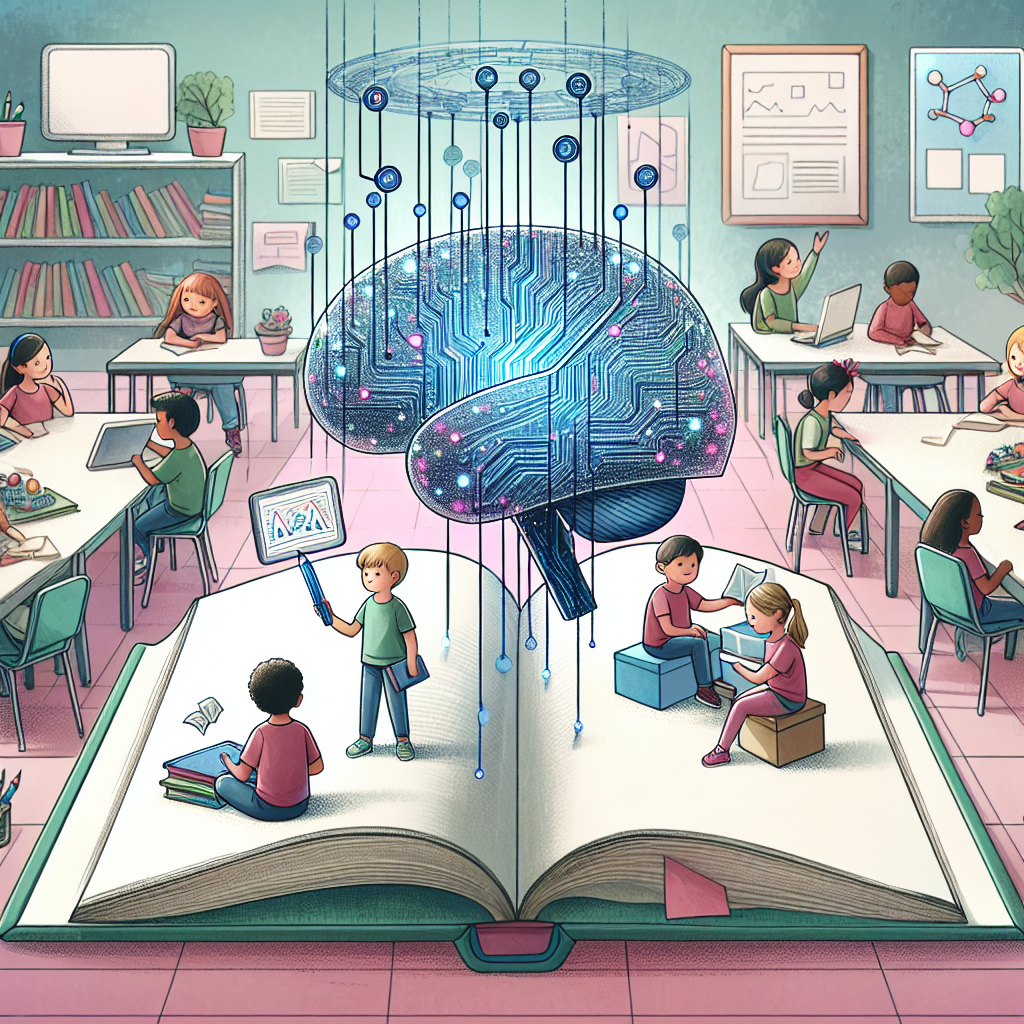
Artificial Intelligence (AI) has been revolutionizing various industries, and education is no exception. One area where AI is making a significant impact is in project-based assessment. Project-based assessment is a method of evaluating students based on their ability to complete a project or task that integrates multiple skills and knowledge areas. With the help of AI, educators can now streamline the assessment process, provide more personalized feedback, and ultimately improve student learning outcomes.
AI in Education
AI in education refers to the use of artificial intelligence technologies to enhance teaching and learning experiences. These technologies can be used to automate administrative tasks, provide personalized learning experiences, and improve assessment methods. In the context of project-based assessment, AI can play a crucial role in facilitating the evaluation of complex projects and providing targeted feedback to students.
One of the major advantages of using AI in project-based assessment is the ability to analyze large amounts of data quickly and accurately. AI algorithms can assess student work based on predefined criteria, such as creativity, critical thinking, and communication skills. This can help educators identify areas where students excel and areas where they may need additional support.
Another benefit of AI in project-based assessment is the ability to provide real-time feedback to students. AI algorithms can analyze student work as it is being completed and provide immediate feedback on areas for improvement. This can help students make adjustments to their projects in real-time and ultimately produce a higher quality final product.
AI can also help educators track student progress over time and identify trends in student performance. By analyzing data from multiple projects, AI algorithms can identify patterns in student work and provide insights into areas where students may be struggling. This can help educators tailor their instruction to better meet the needs of individual students and improve overall learning outcomes.
Project-Based Assessment in Education
Project-based assessment is a student-centered approach to evaluation that focuses on the completion of a project or task. This method of assessment allows students to demonstrate their skills and knowledge in a real-world context and provides a more authentic assessment of their abilities. Project-based assessment can take many forms, such as research projects, presentations, or group collaborations.
One of the key benefits of project-based assessment is that it allows students to apply their learning in a practical way. By working on a project, students can demonstrate their understanding of course material and develop important skills, such as critical thinking, problem-solving, and collaboration. This can help students better retain information and develop a deeper understanding of the subject matter.
Project-based assessment also promotes student engagement and motivation. When students are working on a project that interests them, they are more likely to be actively involved in the learning process. This can lead to higher levels of student motivation and a greater sense of ownership over their learning.
However, project-based assessment can be time-consuming and challenging for educators to evaluate. Traditional methods of assessment, such as written exams, are often easier to grade and provide more standardized results. This is where AI can play a crucial role in streamlining the assessment process and providing more personalized feedback to students.
FAQs
Q: How can AI help educators with project-based assessment?
A: AI can help educators analyze large amounts of student data quickly and accurately, provide real-time feedback to students, track student progress over time, and identify trends in student performance. This can help educators streamline the assessment process and provide more personalized feedback to students.
Q: What are the benefits of project-based assessment in education?
A: Project-based assessment allows students to apply their learning in a practical way, develop important skills, such as critical thinking and problem-solving, promote student engagement and motivation, and provide a more authentic assessment of student abilities.
Q: What are the challenges of project-based assessment?
A: Project-based assessment can be time-consuming and challenging for educators to evaluate, as it often involves complex projects that require a more nuanced assessment than traditional methods, such as written exams.
Q: How can educators implement project-based assessment in their classrooms?
A: Educators can implement project-based assessment by designing projects that align with learning objectives, providing clear guidelines and criteria for assessment, offering support and resources to students as needed, and providing opportunities for reflection and feedback throughout the project.
Q: How can AI support educators in implementing project-based assessment?
A: AI can support educators in implementing project-based assessment by automating the assessment process, providing real-time feedback to students, tracking student progress over time, and identifying trends in student performance. This can help educators streamline the assessment process and provide more personalized feedback to students.
In conclusion, AI is revolutionizing project-based assessment in education by providing educators with tools to streamline the assessment process, provide personalized feedback to students, and ultimately improve learning outcomes. By leveraging AI technologies, educators can enhance the assessment of complex projects and provide students with a more authentic and engaging learning experience.