
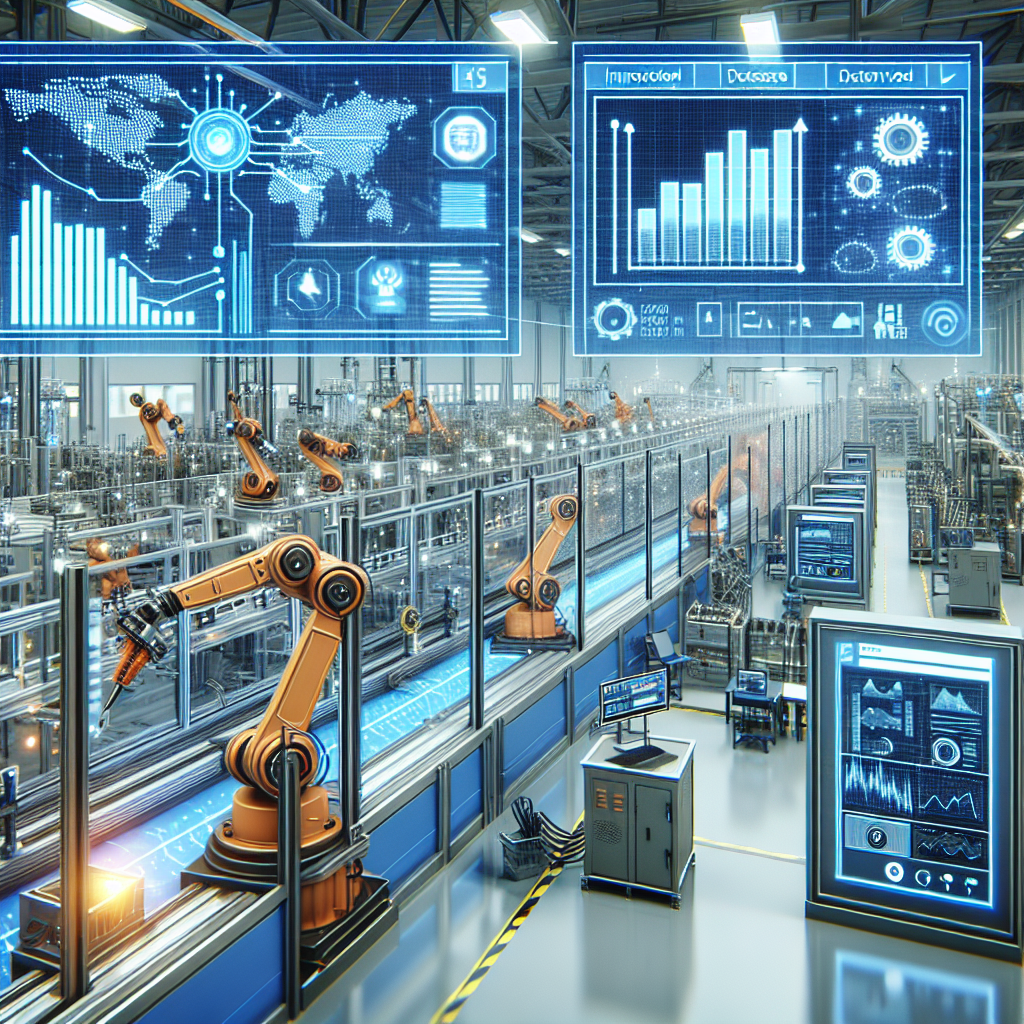
The manufacturing industry is constantly evolving, with new technologies and processes being developed to improve efficiency, reduce waste, and increase productivity. One of the most exciting developments in recent years is the use of artificial intelligence (AI) for process improvement in manufacturing.
AI refers to the simulation of human intelligence in machines that are programmed to think like humans and mimic their actions. In the manufacturing industry, AI can be used to analyze complex data, identify patterns, and make decisions without human intervention. This can lead to significant improvements in efficiency, quality, and cost savings.
Implementing AI for process improvement in manufacturing can bring numerous benefits to companies, including:
1. Predictive maintenance: AI can analyze data from sensors and machines to predict when equipment is likely to fail. This allows companies to schedule maintenance before a breakdown occurs, reducing downtime and increasing productivity.
2. Quality control: AI can analyze images and data to detect defects in products, ensuring that only high-quality items are shipped to customers. This can reduce waste and improve customer satisfaction.
3. Supply chain optimization: AI can analyze data from suppliers, transportation routes, and inventory levels to optimize the supply chain and reduce costs. This can lead to faster delivery times and improved customer service.
4. Production planning: AI can analyze historical data and market trends to optimize production schedules, reduce bottlenecks, and improve overall efficiency. This can lead to cost savings and increased profitability.
5. Inventory management: AI can analyze demand forecasts and inventory levels to optimize stock levels and reduce storage costs. This can improve cash flow and reduce the risk of stockouts.
Despite these benefits, implementing AI for process improvement in manufacturing can be challenging. Companies may face barriers such as high implementation costs, lack of skilled personnel, and resistance to change. However, with careful planning and a clear strategy, companies can overcome these challenges and reap the rewards of AI implementation.
FAQs
Q: How can AI improve efficiency in manufacturing processes?
A: AI can analyze data from sensors and machines to identify patterns and predict when equipment is likely to fail. This allows companies to schedule maintenance before a breakdown occurs, reducing downtime and increasing productivity.
Q: How can AI improve quality control in manufacturing?
A: AI can analyze images and data to detect defects in products, ensuring that only high-quality items are shipped to customers. This can reduce waste and improve customer satisfaction.
Q: What are the benefits of using AI for supply chain optimization?
A: AI can analyze data from suppliers, transportation routes, and inventory levels to optimize the supply chain and reduce costs. This can lead to faster delivery times and improved customer service.
Q: How can AI help with production planning in manufacturing?
A: AI can analyze historical data and market trends to optimize production schedules, reduce bottlenecks, and improve overall efficiency. This can lead to cost savings and increased profitability.
Q: How can AI improve inventory management in manufacturing?
A: AI can analyze demand forecasts and inventory levels to optimize stock levels and reduce storage costs. This can improve cash flow and reduce the risk of stockouts.
In conclusion, implementing AI for process improvement in manufacturing can bring numerous benefits to companies, including predictive maintenance, quality control, supply chain optimization, production planning, and inventory management. While there may be challenges to overcome, the rewards of AI implementation are well worth the effort. Companies that embrace AI technology are likely to see improvements in efficiency, quality, and profitability in the long run.