
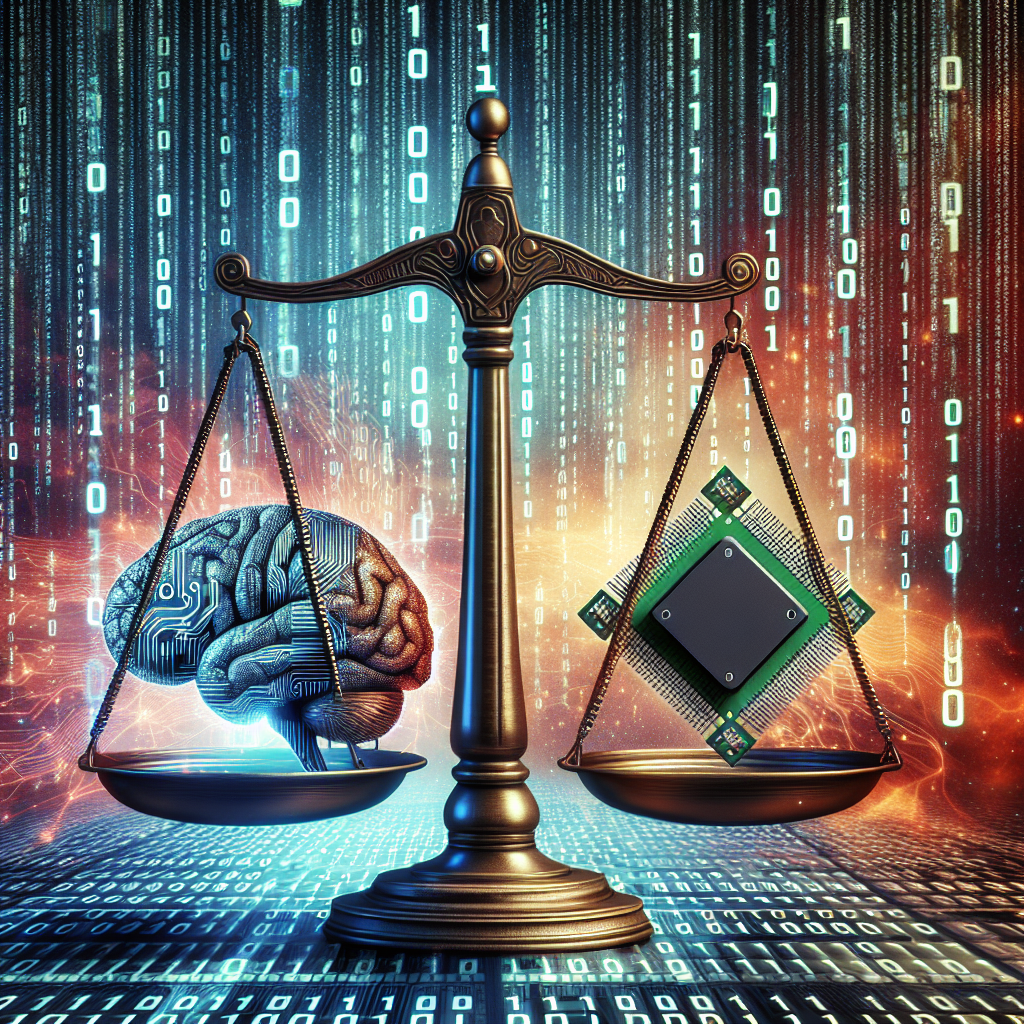
Artificial Intelligence (AI) has become an increasingly pervasive force in our lives, from powering the algorithms that recommend what to watch next on Netflix to the chatbots that assist us with customer service inquiries. However, as AI becomes more integrated into our daily routines, concerns about bias in decision-making algorithms have come to the forefront. In this article, we will explore the concept of Ethical AI and how it can address the impact of bias in AI algorithms.
What is Ethical AI?
Ethical AI refers to the development and implementation of artificial intelligence technologies in a way that is fair, transparent, and unbiased. It involves ensuring that AI systems are designed and used in a way that respects the rights and dignity of individuals, while also taking into account the potential impact on society as a whole. Ethical AI aims to address the ethical considerations that arise from the use of AI, such as privacy concerns, biases in decision-making algorithms, and the potential for AI systems to perpetuate inequalities.
Bias in Decision-Making Algorithms
One of the key ethical concerns surrounding AI is the issue of bias in decision-making algorithms. Bias can manifest in various ways, such as racial or gender bias, and can have serious consequences for individuals and communities. For example, biased algorithms in the criminal justice system may lead to disproportionate sentencing for certain groups, while biased algorithms in hiring processes may perpetuate discrimination in the workplace.
Bias in AI algorithms can arise from a variety of sources, including biased training data, flawed algorithms, and the unintended consequences of AI systems. For example, if a facial recognition algorithm is trained on data that is predominantly white, it may perform poorly on individuals with darker skin tones. Similarly, if an algorithm is designed to optimize for a certain outcome, such as maximizing profits, it may inadvertently reinforce existing biases in the data it is trained on.
Addressing Bias in AI Algorithms
There are several approaches to addressing bias in AI algorithms, including:
1. Diverse and representative training data: Ensuring that the training data used to develop AI algorithms is diverse and representative of the population it will be applied to can help mitigate bias. This may involve collecting data from a wide range of sources and ensuring that it is free from biases or inaccuracies.
2. Transparent algorithms: Making AI algorithms more transparent and explainable can help identify and address biases. By understanding how an algorithm arrives at its decisions, researchers and developers can more easily identify and mitigate biases in the system.
3. Bias detection and mitigation: Implementing mechanisms to detect and mitigate biases in AI algorithms can help ensure that the decisions made by these systems are fair and unbiased. This may involve regular audits of AI systems, as well as the development of tools and techniques to identify and address bias.
4. Ethical guidelines and regulations: Establishing ethical guidelines and regulations for the development and use of AI technologies can help ensure that these systems are designed and used in a way that is fair and ethical. This may involve setting standards for transparency, accountability, and fairness in AI systems, as well as penalties for companies that violate these guidelines.
Frequently Asked Questions
Q: How can bias in AI algorithms be detected?
A: Bias in AI algorithms can be detected through a variety of methods, including conducting audits of the training data, testing the algorithm on diverse populations, and analyzing the decision-making process of the algorithm. Researchers and developers can also use tools such as bias detection software to identify and mitigate biases in AI systems.
Q: What are the potential consequences of biased AI algorithms?
A: Biased AI algorithms can have serious consequences for individuals and communities, including perpetuating discrimination, reinforcing stereotypes, and limiting opportunities for certain groups. For example, biased algorithms in hiring processes may lead to discrimination in the workplace, while biased algorithms in healthcare may result in unequal access to medical treatment.
Q: How can individuals protect themselves from biased AI algorithms?
A: Individuals can protect themselves from biased AI algorithms by being aware of the potential for bias in AI systems, advocating for transparency and accountability in the development and use of AI technologies, and seeking out diverse and representative sources of information. Additionally, individuals can report instances of bias in AI systems to the relevant authorities or advocacy groups.
In conclusion, Ethical AI offers a framework for addressing the impact of bias in decision-making algorithms. By ensuring that AI systems are developed and used in a way that is fair, transparent, and unbiased, we can help mitigate the potential consequences of biased AI algorithms and promote a more ethical and inclusive use of artificial intelligence. By taking proactive steps to address bias in AI algorithms, we can help realize the full potential of AI technologies while also upholding ethical standards and values.