
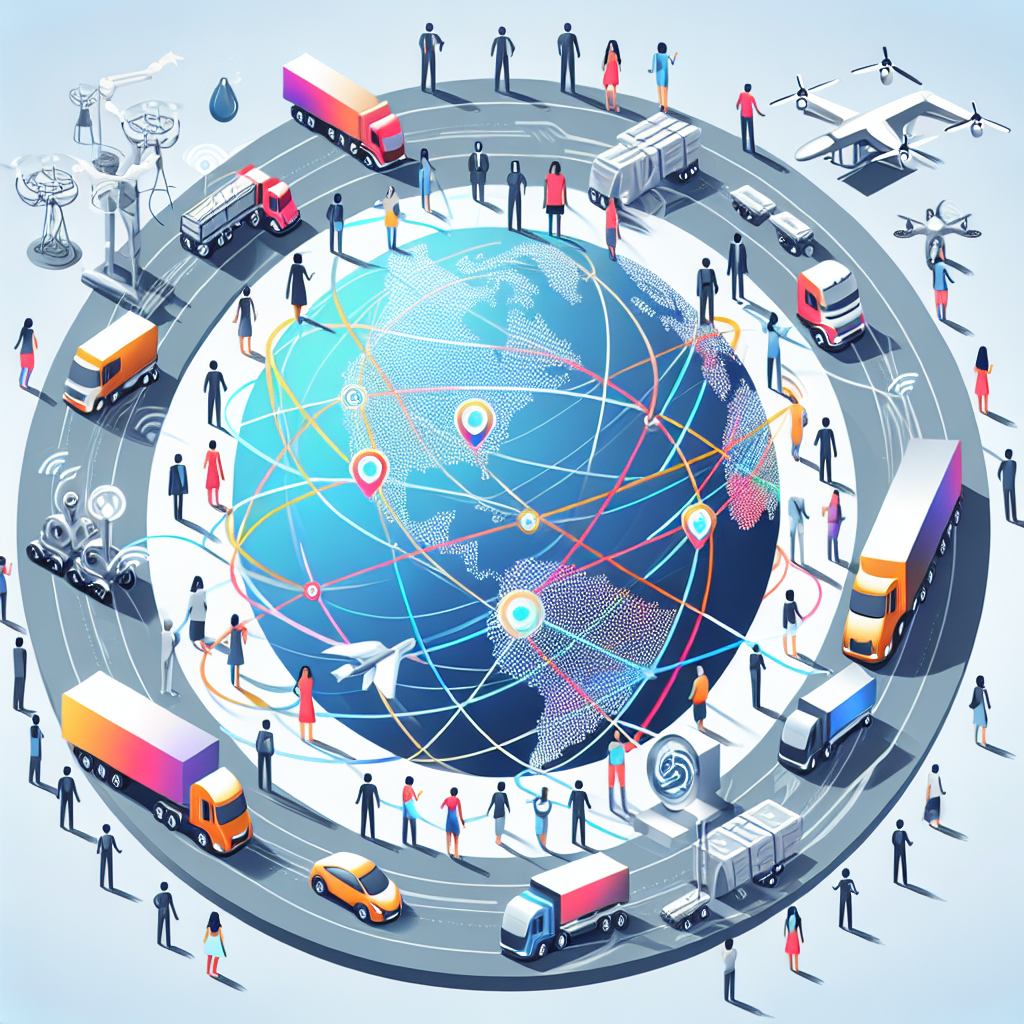
The transportation sector is undergoing a significant transformation with the integration of artificial intelligence (AI) technologies. AI is revolutionizing the way we move people and goods by enabling smarter, safer, and more efficient transportation systems. From autonomous vehicles to intelligent traffic management systems, AI is driving innovation in the transportation industry at an unprecedented pace.
One of the key drivers behind the democratization of AI in the transportation sector is the increasing availability of AI tools and technologies. Thanks to advancements in machine learning algorithms, cloud computing, and big data analytics, AI solutions are becoming more accessible and affordable for organizations of all sizes. This has opened up new opportunities for transportation companies to leverage AI to optimize their operations, improve safety, and enhance the overall customer experience.
AI is being used in a wide range of applications in the transportation sector, from predictive maintenance and route optimization to real-time traffic monitoring and autonomous driving. For example, AI-powered predictive maintenance systems can help transportation companies identify potential issues with their vehicles before they occur, reducing downtime and maintenance costs. Route optimization algorithms can help logistics companies plan the most efficient delivery routes, saving time and fuel. Real-time traffic monitoring systems can use AI to analyze traffic patterns and adjust signals to reduce congestion and improve traffic flow.
Autonomous vehicles are perhaps the most talked-about application of AI in the transportation sector. Self-driving cars and trucks are equipped with AI-powered sensors and algorithms that enable them to navigate roads, detect obstacles, and make decisions in real-time. While fully autonomous vehicles are still in the early stages of development, they have the potential to revolutionize the way we think about transportation, reducing accidents, alleviating traffic congestion, and improving overall efficiency.
Another key benefit of AI in the transportation sector is its ability to improve safety. AI-powered systems can analyze vast amounts of data to identify potential risks and take proactive measures to prevent accidents. For example, AI can be used to detect driver fatigue or distraction and alert the driver to take corrective action. AI can also be used to analyze traffic patterns and identify areas with high accident rates, allowing transportation authorities to implement targeted safety measures.
The democratization of AI in the transportation sector is not without its challenges. One of the biggest concerns is the potential impact on jobs, particularly in industries such as trucking and delivery, where autonomous vehicles could replace human drivers. There are also concerns about data privacy and security, as AI systems rely on vast amounts of data to operate effectively. Additionally, there are ethical considerations around the use of AI in transportation, such as how to ensure that AI systems make decisions that are in the best interest of society as a whole.
Despite these challenges, the democratization of AI in the transportation sector is likely to continue at a rapid pace. As AI technologies become more advanced and affordable, transportation companies will increasingly turn to AI to drive innovation and improve efficiency. This will create new opportunities for startups and established companies to develop AI solutions that address the unique challenges of the transportation industry.
In conclusion, the democratization of AI in the transportation sector is reshaping the way we move people and goods. From autonomous vehicles to predictive maintenance systems, AI is enabling transportation companies to operate more efficiently, safely, and sustainably. While there are challenges to overcome, the potential benefits of AI in transportation are vast, and the industry is poised for continued innovation and growth in the coming years.
FAQs:
1. What are some of the key applications of AI in the transportation sector?
AI is being used in a wide range of applications in the transportation sector, including predictive maintenance, route optimization, real-time traffic monitoring, and autonomous driving.
2. How is AI improving safety in transportation?
AI-powered systems can analyze data to identify potential risks and take proactive measures to prevent accidents. For example, AI can be used to detect driver fatigue or distraction and alert the driver to take corrective action.
3. What are some of the challenges of the democratization of AI in transportation?
Some of the challenges include potential job displacement, data privacy and security concerns, and ethical considerations around the use of AI in transportation.
4. What is the potential impact of AI on the transportation industry?
AI has the potential to revolutionize the transportation industry by improving efficiency, safety, and sustainability. Autonomous vehicles, in particular, have the potential to transform the way we think about transportation.
5. How can transportation companies leverage AI to drive innovation?
Transportation companies can leverage AI to optimize their operations, improve safety, and enhance the overall customer experience. By using AI-powered tools and technologies, companies can stay competitive in an increasingly digital and data-driven industry.