
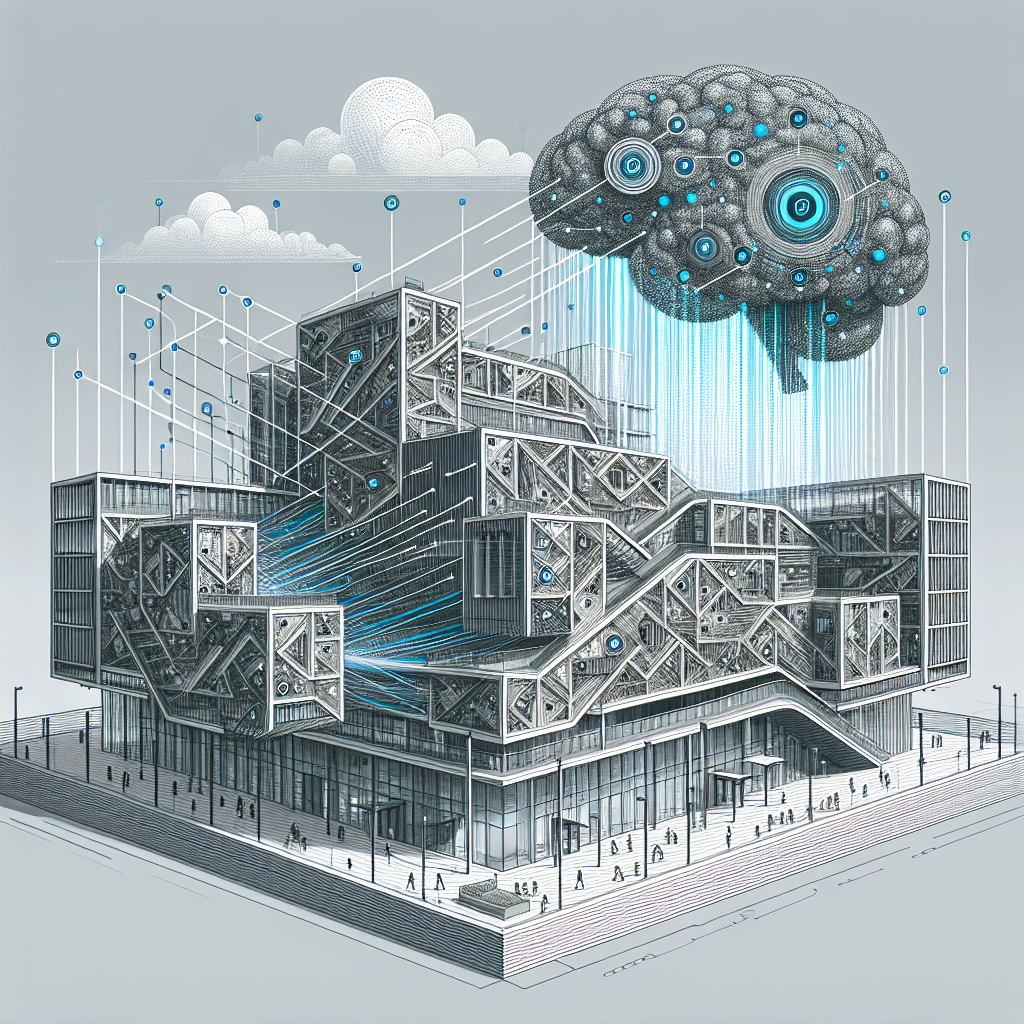
The integration of artificial intelligence (AI) into adaptive façade systems is revolutionizing the way buildings interact with their environment. These systems are designed to respond dynamically to changing external conditions such as temperature, sunlight, and wind, in order to optimize energy efficiency and occupant comfort. By utilizing AI algorithms, these systems are able to learn and adapt over time, making them more effective and efficient.
One of the key benefits of AI in adaptive façade systems is the ability to optimize energy usage. By continuously monitoring and analyzing external conditions, AI algorithms can make real-time adjustments to the façade system to maximize natural light and ventilation, while minimizing the need for artificial heating and cooling. This not only reduces energy consumption and operational costs, but also helps to lower a building’s carbon footprint.
Another advantage of AI in adaptive façade systems is the ability to enhance occupant comfort. By adjusting the façade system based on factors such as sunlight, glare, and temperature, AI can create a more pleasant indoor environment for building occupants. This can lead to increased productivity, improved health and well-being, and overall higher satisfaction among users.
Furthermore, AI can also improve the durability and longevity of adaptive façade systems. By continuously monitoring the performance of the system and identifying potential issues or maintenance needs, AI can help to prevent costly repairs and extend the lifespan of the system.
Overall, the integration of AI into adaptive façade systems represents a significant advancement in building technology, offering a more sustainable, efficient, and comfortable built environment.
FAQs:
Q: How does AI in adaptive façade systems work?
A: AI algorithms in adaptive façade systems continuously monitor external conditions such as temperature, sunlight, and wind, and make real-time adjustments to the façade system to optimize energy efficiency and occupant comfort.
Q: What are the benefits of AI in adaptive façade systems?
A: AI in adaptive façade systems can optimize energy usage, enhance occupant comfort, and improve the durability and longevity of the system.
Q: Are there any drawbacks to using AI in adaptive façade systems?
A: One potential drawback is the initial cost of implementing AI technology into a building’s façade system. However, the long-term benefits in terms of energy savings and occupant comfort often outweigh this initial investment.
Q: How can AI help to reduce a building’s carbon footprint?
A: By optimizing energy usage and reducing the need for artificial heating and cooling, AI in adaptive façade systems can help to lower a building’s carbon footprint by reducing energy consumption and greenhouse gas emissions.
Q: Are there any limitations to AI in adaptive façade systems?
A: One limitation is the need for regular maintenance and updates to the AI algorithms in order to ensure optimal performance. Additionally, the effectiveness of AI in adaptive façade systems may vary depending on the specific design and location of the building.