
Introduction
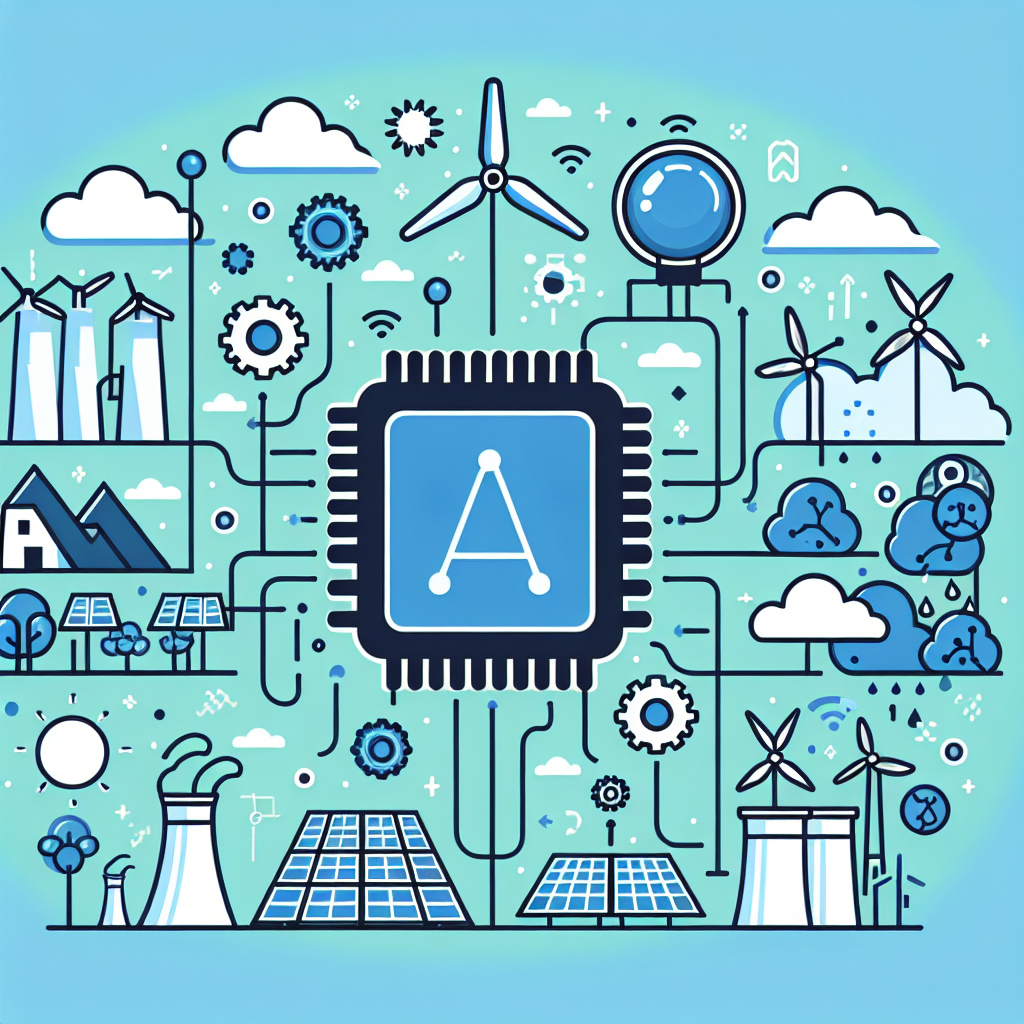
Renewable energy sources such as solar, wind, and hydroelectric power are becoming increasingly important as we strive to reduce our reliance on fossil fuels and combat climate change. Machine learning, a branch of artificial intelligence that focuses on the development of algorithms that can learn from and make predictions based on data, is playing a crucial role in optimizing the generation, storage, and distribution of renewable energy. In this article, we will explore the various ways in which machine learning is being used in renewable energy applications, and how these technologies are helping to accelerate the transition to a clean energy future.
1. Forecasting Renewable Energy Generation
One of the key challenges in integrating renewable energy sources into the grid is their variability and intermittency. Solar power generation, for example, depends on the availability of sunlight, which can be affected by factors such as cloud cover and time of day. Wind power generation is similarly dependent on wind speed and direction. Machine learning algorithms are being used to forecast renewable energy generation based on historical data, weather patterns, and other relevant factors. By accurately predicting when and how much renewable energy will be generated, grid operators can better plan and optimize the use of renewable energy sources.
2. Energy Demand Prediction
In addition to forecasting renewable energy generation, machine learning algorithms can also be used to predict energy demand. By analyzing historical data on energy consumption, weather patterns, and other factors, these algorithms can provide insights into when and where energy demand is likely to be highest. This information can help grid operators better match energy supply with demand, leading to more efficient use of renewable energy sources and reduced reliance on fossil fuels.
3. Energy Storage Optimization
Energy storage is a critical component of renewable energy systems, as it allows excess energy to be stored when generation exceeds demand, and used when demand exceeds generation. Machine learning algorithms can help optimize energy storage systems by predicting when energy should be stored or released, based on factors such as energy prices, weather patterns, and grid demand. By maximizing the efficiency of energy storage, these algorithms can help reduce costs and improve the reliability of renewable energy systems.
4. Grid Management
Machine learning algorithms are also being used to optimize the operation of the grid, by predicting and managing energy flows, identifying potential bottlenecks, and ensuring the stability and reliability of the grid. These algorithms can analyze vast amounts of data in real-time, allowing grid operators to respond quickly to changes in renewable energy generation or demand. By improving grid management, machine learning technologies are helping to increase the penetration of renewable energy sources and reduce the reliance on fossil fuels.
5. Fault Detection and Maintenance
Machine learning algorithms can also be used to detect faults in renewable energy systems, such as solar panels or wind turbines, before they cause major disruptions. By analyzing data from sensors and other sources, these algorithms can identify anomalies and predict potential failures, allowing maintenance to be carried out proactively. This can help reduce downtime, increase the lifespan of renewable energy systems, and improve overall system performance.
Frequently Asked Questions (FAQs)
Q: How is machine learning being used in solar energy applications?
A: Machine learning algorithms are being used to optimize the placement and orientation of solar panels, forecast solar energy generation, and improve the efficiency of solar energy systems.
Q: How is machine learning being used in wind energy applications?
A: Machine learning algorithms can predict wind speed and direction, optimize the operation of wind turbines, and improve the integration of wind energy into the grid.
Q: How is machine learning being used in hydroelectric power generation?
A: Machine learning algorithms can optimize the operation of hydroelectric power plants, forecast water levels and flow rates, and improve the efficiency of hydroelectric power generation.
Q: How is machine learning being used in energy storage systems?
A: Machine learning algorithms can optimize the operation of energy storage systems, predict when energy should be stored or released, and improve the efficiency of energy storage.
Q: How is machine learning being used in grid management?
A: Machine learning algorithms can predict and manage energy flows, identify potential bottlenecks, and ensure the stability and reliability of the grid.
Conclusion
Machine learning is playing a crucial role in optimizing the generation, storage, and distribution of renewable energy. By forecasting renewable energy generation, predicting energy demand, optimizing energy storage systems, managing the grid, and detecting faults in renewable energy systems, machine learning algorithms are helping to accelerate the transition to a clean energy future. As these technologies continue to advance, we can expect to see further improvements in the efficiency, reliability, and cost-effectiveness of renewable energy systems, leading to a more sustainable and environmentally friendly energy landscape.