
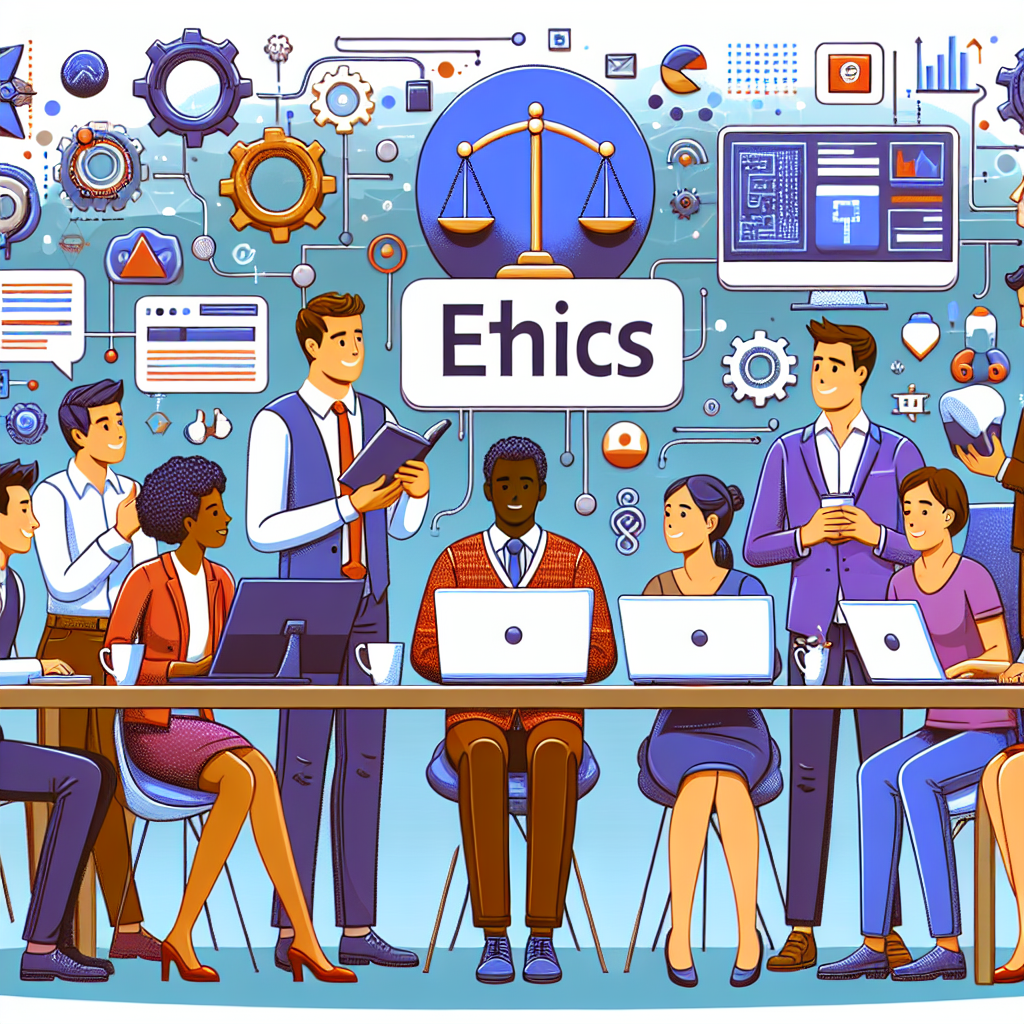
Artificial intelligence (AI) is rapidly becoming an integral part of our daily lives, from powering smart assistants like Siri and Alexa to driving autonomous vehicles and revolutionizing healthcare. However, as AI technologies become more advanced and pervasive, concerns about bias, discrimination, and lack of diversity in AI systems are also growing. In order to ensure that AI is developed and deployed ethically, it is crucial to promote diversity and inclusion in machine learning.
Ethical AI refers to the responsible and fair development and deployment of AI systems that take into consideration the impact on all stakeholders, including individuals, communities, and society as a whole. Diversity and inclusion in machine learning are essential components of ethical AI, as they help to prevent bias and discrimination in AI systems, promote fairness and equality, and ensure that AI technologies benefit all members of society.
Strategies for promoting diversity and inclusion in machine learning include:
1. Diverse and Inclusive Data Collection: One of the key factors that can lead to bias in AI systems is the lack of diversity in the data used to train these systems. To promote diversity and inclusion in machine learning, it is important to collect and use diverse and representative data sets that reflect the diversity of the population. This can help to prevent bias and discrimination in AI systems and ensure that they are fair and equitable for all users.
2. Diversity in AI Teams: Another important strategy for promoting diversity and inclusion in machine learning is to ensure that AI development teams are diverse and inclusive. By bringing together individuals from diverse backgrounds, experiences, and perspectives, AI teams can better understand and address the needs and concerns of different communities and ensure that AI technologies are developed in a fair and ethical manner.
3. Ethical AI Guidelines and Standards: Developing and adhering to ethical AI guidelines and standards can also help to promote diversity and inclusion in machine learning. These guidelines can provide a framework for AI developers and practitioners to follow, helping them to identify and address potential biases and discrimination in AI systems, and ensuring that AI technologies are developed and deployed in a responsible and ethical manner.
4. Transparency and Accountability: Transparency and accountability are key principles of ethical AI that can help to promote diversity and inclusion in machine learning. By being transparent about the data and algorithms used in AI systems, as well as the decision-making processes behind these systems, AI developers can help to build trust with users and stakeholders and ensure that AI technologies are fair and unbiased.
5. Continuous Monitoring and Evaluation: Finally, continuous monitoring and evaluation of AI systems are essential for promoting diversity and inclusion in machine learning. By regularly assessing the performance and impact of AI technologies, developers can identify and address any biases or discrimination that may arise, and ensure that AI systems are working as intended and benefiting all members of society.
Incorporating these strategies into the development and deployment of AI technologies can help to promote diversity and inclusion in machine learning and ensure that AI systems are developed and deployed in an ethical and responsible manner. By promoting diversity and inclusion in machine learning, we can help to prevent bias and discrimination in AI systems, promote fairness and equality, and ensure that AI technologies benefit all members of society.
FAQs:
Q: What is bias in AI and why is it a concern?
A: Bias in AI refers to the unfair or discriminatory treatment of individuals or groups based on factors such as race, gender, or socioeconomic status. Bias in AI can lead to unfair outcomes, reinforce existing inequalities, and harm marginalized communities. It is a concern because it can impact the accuracy and fairness of AI systems, and perpetuate discrimination and inequality in society.
Q: How can diversity and inclusion in machine learning help to prevent bias in AI systems?
A: Diversity and inclusion in machine learning can help to prevent bias in AI systems by ensuring that AI technologies are developed and deployed in a fair and ethical manner. By collecting diverse and representative data sets, promoting diversity in AI teams, and adhering to ethical AI guidelines and standards, developers can help to identify and address biases in AI systems and ensure that they are fair and equitable for all users.
Q: What are some examples of bias in AI systems?
A: Examples of bias in AI systems include gender bias in hiring algorithms, racial bias in predictive policing systems, and socioeconomic bias in loan approval algorithms. These biases can lead to unfair outcomes for individuals and communities, reinforce existing inequalities, and perpetuate discrimination and inequality in society.
Q: How can individuals and organizations promote diversity and inclusion in machine learning?
A: Individuals and organizations can promote diversity and inclusion in machine learning by advocating for diverse and representative data collection, supporting diversity in AI teams, adhering to ethical AI guidelines and standards, promoting transparency and accountability in AI systems, and continuously monitoring and evaluating the performance and impact of AI technologies.
In conclusion, promoting diversity and inclusion in machine learning is essential for ensuring that AI technologies are developed and deployed ethically and responsibly. By collecting diverse and representative data sets, promoting diversity in AI teams, adhering to ethical AI guidelines and standards, promoting transparency and accountability in AI systems, and continuously monitoring and evaluating the performance and impact of AI technologies, we can help to prevent bias and discrimination in AI systems, promote fairness and equality, and ensure that AI technologies benefit all members of society.