
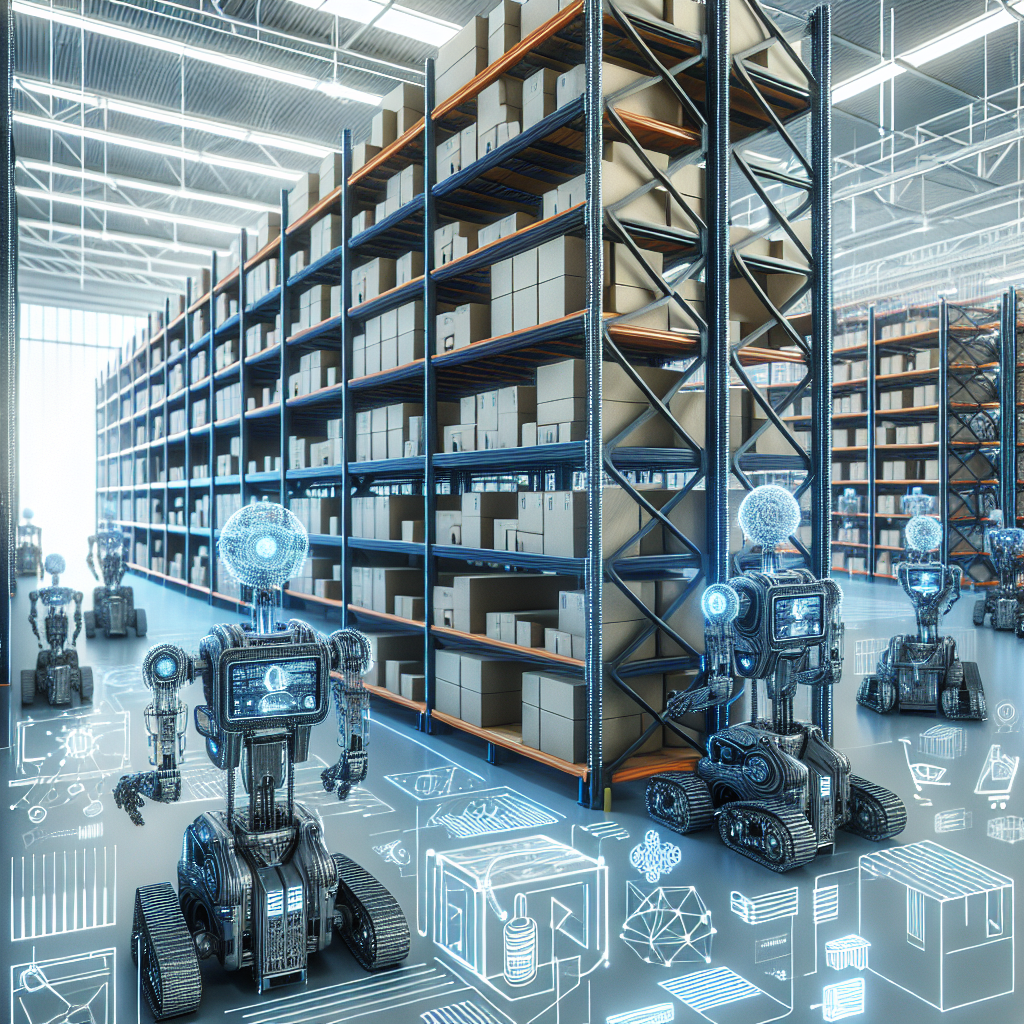
The integration of artificial intelligence (AI) with robotics has revolutionized the world of manufacturing and warehousing. With the advancement of technology, smart warehousing has become a key trend in the industry, enabling companies to optimize their operations and increase efficiency. AI-driven robotics play a crucial role in this transformation, offering a wide range of benefits such as increased productivity, reduced costs, and improved safety.
AI-driven robotics refers to the use of advanced AI algorithms to control robotic systems in manufacturing and warehousing environments. These systems are designed to perform complex tasks autonomously, using sensors, cameras, and other technologies to navigate and interact with their surroundings. By combining AI with robotics, companies can achieve a higher level of automation, enabling them to streamline their processes and adapt to changing market demands more effectively.
One of the key applications of AI-driven robotics in smart warehousing is the automated picking and packing of goods. Traditionally, this process has been labor-intensive and prone to errors. By deploying robotic systems equipped with AI algorithms, companies can automate these tasks, significantly reducing the time and resources required for order fulfillment. These robots can navigate through warehouses, identify and pick items, and pack them efficiently, leading to faster and more accurate order processing.
Another important application of AI-driven robotics in smart warehousing is inventory management. By using AI algorithms to analyze data from sensors and other sources, companies can optimize their inventory levels, reduce stockouts, and improve order fulfillment rates. Robotics can also be used to perform inventory counting and auditing tasks, eliminating the need for manual labor and improving accuracy.
AI-driven robotics can also enhance safety in manufacturing and warehousing environments. By automating hazardous tasks and reducing the need for human intervention, companies can minimize the risk of accidents and injuries. These robots can be equipped with sensors and other technologies to detect obstacles and avoid collisions, making them safer to work alongside human employees.
In addition to these benefits, AI-driven robotics can also help companies reduce costs and increase their competitive advantage. By automating repetitive tasks and optimizing processes, companies can lower their operational expenses and improve their bottom line. This technology also enables companies to respond quickly to changes in market demand, allowing them to stay ahead of the competition.
Overall, AI-driven robotics is a game-changer for smart warehousing in manufacturing, offering a wide range of benefits that can help companies improve efficiency, reduce costs, and enhance safety. By leveraging this technology, companies can transform their operations and unlock new opportunities for growth and innovation.
FAQs:
1. How can AI-driven robotics benefit my manufacturing or warehousing operations?
AI-driven robotics can benefit your operations by increasing productivity, reducing costs, improving safety, and enabling you to respond quickly to changes in market demand. These systems can automate complex tasks, optimize processes, and streamline operations, leading to a more efficient and competitive business.
2. What are some key applications of AI-driven robotics in smart warehousing?
Some key applications of AI-driven robotics in smart warehousing include automated picking and packing, inventory management, and safety enhancements. These systems can perform tasks such as order fulfillment, inventory counting, and hazardous task automation, helping companies improve their operations and achieve better results.
3. How can AI-driven robotics improve safety in manufacturing and warehousing environments?
AI-driven robotics can improve safety by automating hazardous tasks, reducing the need for human intervention, and detecting obstacles to avoid collisions. By leveraging sensors, cameras, and other technologies, these systems can create a safer work environment for employees and reduce the risk of accidents and injuries.
4. How can AI-driven robotics help companies reduce costs?
AI-driven robotics can help companies reduce costs by automating repetitive tasks, optimizing processes, and improving efficiency. By streamlining their operations and eliminating manual labor, companies can lower their operational expenses and improve their bottom line.
5. How can companies leverage AI-driven robotics to stay ahead of the competition?
Companies can leverage AI-driven robotics to stay ahead of the competition by responding quickly to changes in market demand, improving productivity, and enhancing their operational efficiency. By adopting this technology, companies can transform their operations and unlock new opportunities for growth and innovation.