
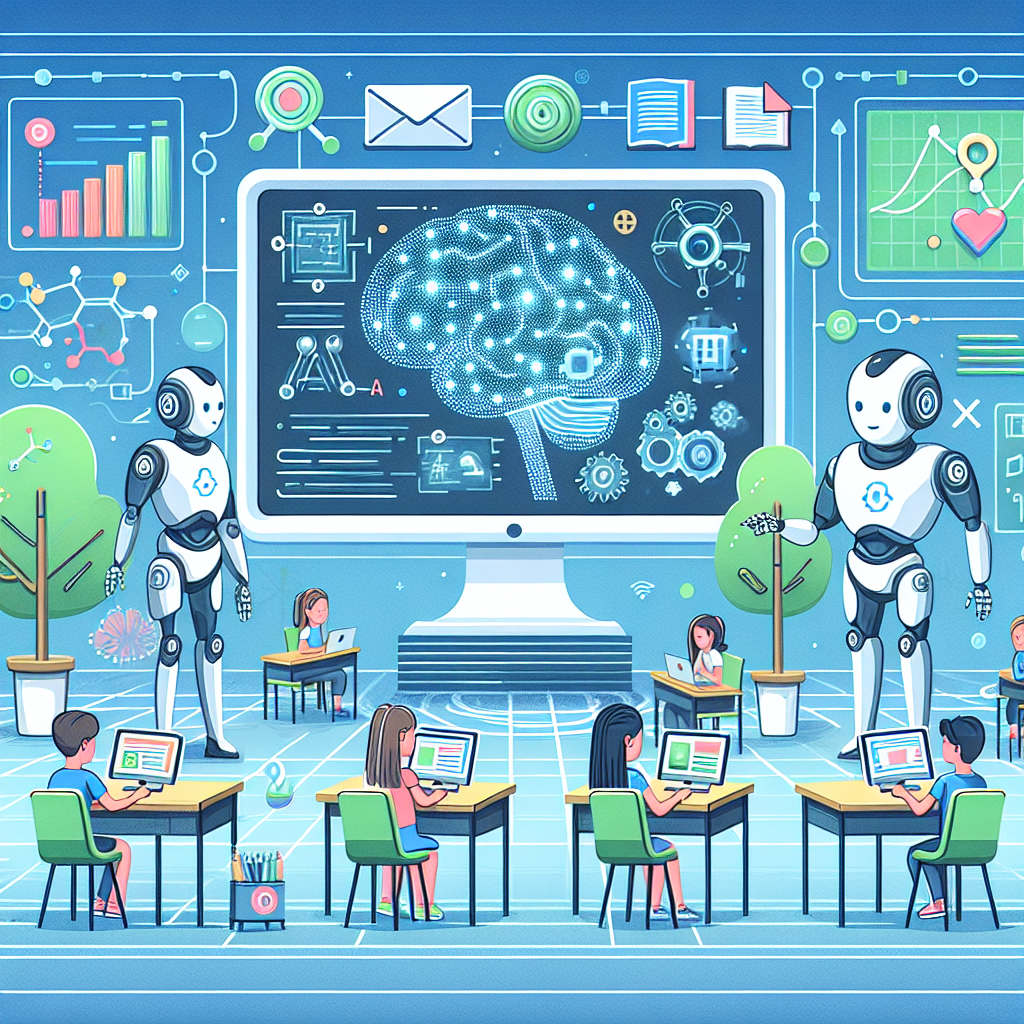
Artificial Intelligence (AI) has been making waves in various industries, but its impact on education, specifically in schools, is becoming increasingly significant. AI has the potential to revolutionize the way students learn, teachers teach, and schools operate. In this article, we will explore the role of AI in school improvement and how it is shaping the future of education.
AI in Education
AI in education refers to the use of artificial intelligence technologies to enhance learning experiences, support teachers, and improve educational outcomes. AI can be used in a variety of ways in schools, from personalized learning platforms to automated grading systems.
One of the key benefits of AI in education is its ability to provide personalized learning experiences for students. AI algorithms can analyze students’ learning styles, strengths, and weaknesses to create individualized learning plans. This can help students learn at their own pace and focus on areas where they need the most help.
AI can also help teachers by automating administrative tasks such as grading, lesson planning, and student assessment. This can free up teachers’ time to focus on more important tasks, such as providing personalized feedback to students and developing engaging lesson plans.
Furthermore, AI can help schools make more informed decisions by analyzing data on student performance, attendance, and behavior. This can help schools identify at-risk students early on and provide them with the support they need to succeed.
Overall, AI has the potential to transform education by making learning more personalized, efficient, and effective.
Examples of AI in School Improvement
There are several examples of AI being used in schools to improve education. One example is the use of AI-powered tutoring systems, such as Squirrel AI Learning. These systems use AI algorithms to provide personalized tutoring to students based on their individual learning needs.
Another example is the use of AI-powered assessment tools, such as WriteLab. This tool uses AI to provide feedback on students’ writing assignments, helping them improve their writing skills.
AI is also being used in schools to automate administrative tasks, such as scheduling, attendance tracking, and student communication. This can help schools operate more efficiently and provide better support to students.
Furthermore, AI is being used to analyze data on student performance and behavior to identify trends and patterns that can help schools improve their educational programs.
FAQs
1. How is AI being used in schools?
AI is being used in schools in a variety of ways, such as personalized learning platforms, automated grading systems, and data analysis tools. These technologies can help improve educational outcomes and make learning more efficient and effective.
2. What are the benefits of AI in education?
AI in education can provide personalized learning experiences for students, support teachers in their work, and help schools make more informed decisions. This can lead to improved educational outcomes and better support for students.
3. Are there any concerns about using AI in schools?
Some concerns about using AI in schools include data privacy issues, the potential for bias in AI algorithms, and the impact on teacher-student relationships. It is important for schools to address these concerns and ensure that AI technologies are used responsibly.
4. How can schools implement AI in their educational programs?
Schools can implement AI in their educational programs by partnering with AI technology providers, training teachers on how to use AI tools effectively, and ensuring that students have access to the technology they need to benefit from AI-powered learning experiences.
5. What is the future of AI in education?
The future of AI in education is bright, with more schools adopting AI technologies to improve learning outcomes and support teachers in their work. As AI continues to evolve, we can expect to see even more innovative applications of AI in schools that enhance the educational experience for students and teachers alike.
In conclusion, AI has the potential to revolutionize education by providing personalized learning experiences, supporting teachers, and improving school operations. By harnessing the power of AI, schools can create a more efficient and effective learning environment that benefits students, teachers, and the entire education system.