
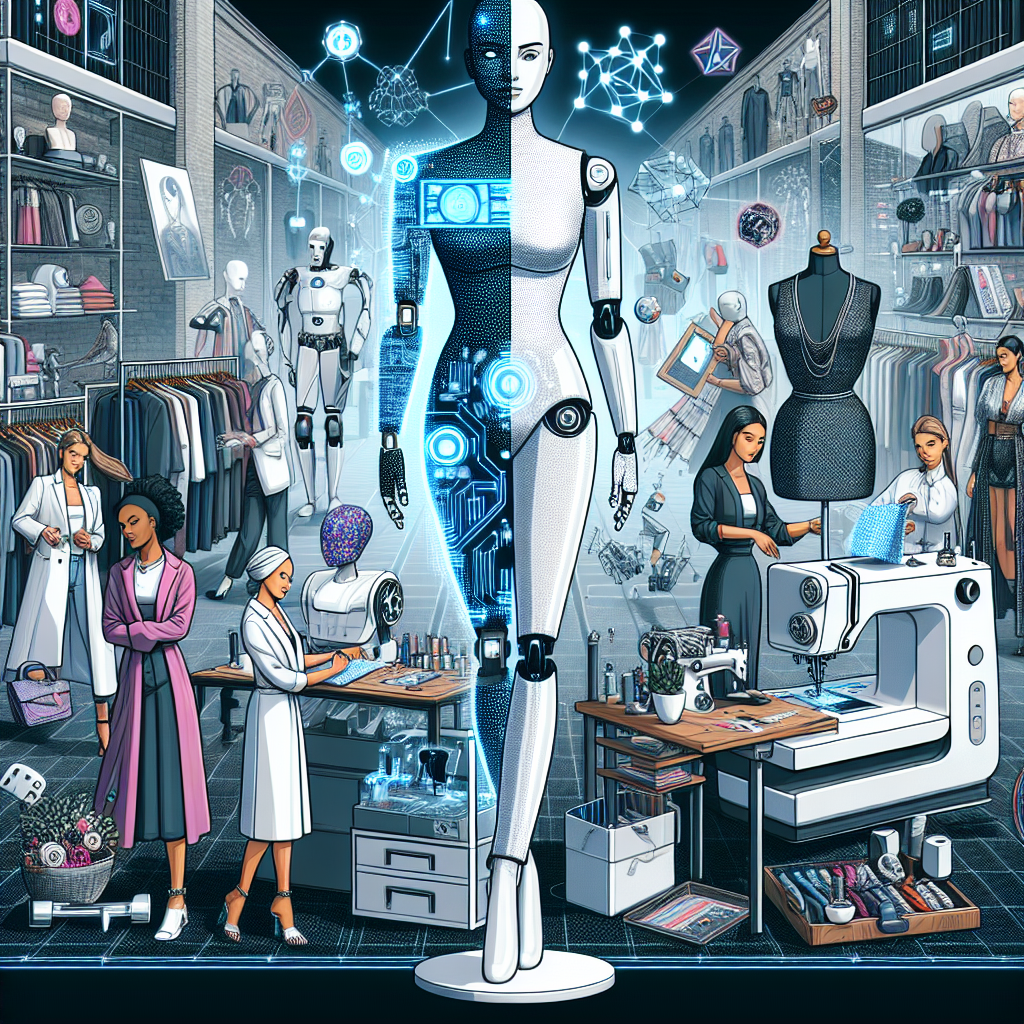
The Democratization of AI in the Fashion Industry
Artificial intelligence (AI) has been transforming industries across the board, and the fashion industry is no exception. AI technologies are being used to streamline processes, personalize customer experiences, predict trends, and even create new designs. However, the adoption of AI in the fashion industry has historically been limited to large companies with the resources to develop and implement complex AI systems.
But that is changing. The democratization of AI in the fashion industry is making these powerful technologies more accessible to businesses of all sizes. From small independent designers to large fashion retailers, AI is becoming a game-changer in the industry. In this article, we will explore how AI is being democratized in the fashion industry and what this means for businesses and consumers.
How AI is Democratizing the Fashion Industry
1. Automated Design Tools: AI-powered design tools are enabling designers to create new collections faster and more efficiently. These tools can analyze trends, customer preferences, and historical data to generate design suggestions, assist in pattern-making, and even create virtual prototypes. This has the potential to revolutionize the design process, making it more data-driven and responsive to consumer demands.
2. Personalized Recommendations: AI algorithms are being used by fashion retailers to provide personalized recommendations to customers. By analyzing customer data, purchase history, and browsing behavior, AI can suggest products that are tailored to each individual’s preferences. This not only enhances the shopping experience but also increases sales and customer loyalty.
3. Supply Chain Optimization: AI is being used to optimize the fashion supply chain, from production to distribution. By analyzing data on inventory levels, demand forecasts, and production capacity, AI can help companies make more informed decisions about sourcing, manufacturing, and logistics. This can lead to cost savings, reduced waste, and improved efficiency throughout the supply chain.
4. Trend Forecasting: AI-powered trend forecasting tools are helping fashion companies stay ahead of the curve. By analyzing social media trends, runway shows, and consumer behavior, AI can predict upcoming trends with greater accuracy than traditional methods. This enables companies to create collections that resonate with consumers and capitalize on emerging trends.
5. Virtual Try-On: AI technologies are enabling virtual try-on experiences for customers, allowing them to see how clothing items will look on them before making a purchase. By using augmented reality and computer vision, AI can simulate a virtual fitting room where customers can try on different outfits and accessories. This not only enhances the online shopping experience but also reduces returns and improves customer satisfaction.
FAQs
Q: How can small fashion businesses afford to implement AI technologies?
A: The democratization of AI has made these technologies more affordable and accessible to businesses of all sizes. There are now AI platforms and tools that cater to small businesses with limited resources. These platforms often offer pay-as-you-go pricing models, making it easier for small businesses to adopt AI technologies without a significant upfront investment.
Q: Will AI replace human designers in the fashion industry?
A: While AI technologies can assist designers in the design process, they are unlikely to replace human creativity entirely. Designing fashion is a creative and subjective process that often requires human intuition and artistic vision. AI can help designers generate ideas, optimize designs, and automate repetitive tasks, but ultimately, human designers will still play a crucial role in the industry.
Q: How can AI help with sustainability in the fashion industry?
A: AI can help fashion companies improve sustainability by optimizing the supply chain, reducing waste, and improving efficiency. By analyzing data on material usage, production processes, and environmental impact, AI can help companies make more sustainable decisions. For example, AI can help companies source eco-friendly materials, minimize overproduction, and reduce carbon emissions in their operations.
Q: Are there any ethical concerns with the use of AI in the fashion industry?
A: As with any technology, there are ethical concerns associated with the use of AI in the fashion industry. These concerns include privacy issues, bias in algorithms, and the impact on jobs. Fashion companies must be transparent about how they use AI technologies, ensure that algorithms are fair and unbiased, and consider the social implications of AI adoption. By addressing these concerns proactively, fashion companies can harness the power of AI while minimizing potential risks.
In conclusion, the democratization of AI in the fashion industry is opening up new opportunities for businesses to innovate, optimize processes, and enhance customer experiences. By leveraging AI technologies, fashion companies can stay competitive in a rapidly evolving industry and meet the changing demands of consumers. As AI continues to advance and become more accessible, the fashion industry is poised for a digital transformation that will shape the future of fashion.