
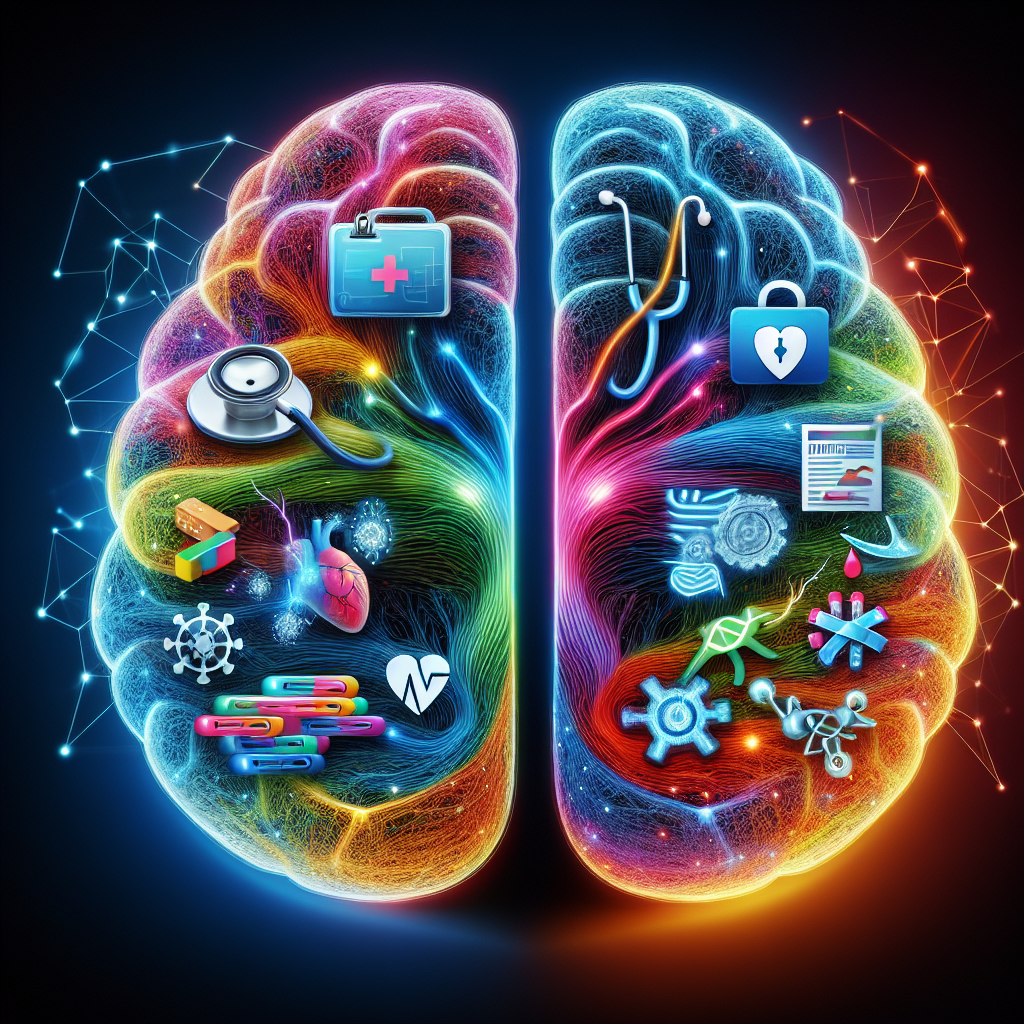
Artificial Intelligence (AI) in healthcare is revolutionizing the way medical professionals diagnose, treat, and manage patients. This technology has the potential to greatly improve patient outcomes, streamline processes, and reduce healthcare costs. However, with these benefits also come risks and challenges that need to be carefully considered.
Benefits of AI in Healthcare
1. Improved Diagnostics: AI systems can analyze large amounts of medical data quickly and accurately, leading to more precise and early diagnosis of diseases. This can potentially save lives by identifying conditions earlier than traditional methods.
2. Personalized Treatment Plans: AI algorithms can analyze a patient’s medical history, genetic information, and other data to create personalized treatment plans. This can lead to more effective treatment options tailored to the individual patient.
3. Streamlined Processes: AI can help streamline administrative tasks, such as scheduling appointments, billing, and managing medical records. This can free up healthcare professionals to focus more on patient care.
4. Remote Monitoring: AI-powered devices can monitor patients remotely and alert healthcare providers to any changes in a patient’s condition. This can help prevent hospital readmissions and provide timely interventions.
5. Drug Discovery: AI algorithms can analyze vast amounts of data to identify potential drug candidates and predict their effectiveness. This can accelerate the drug discovery process and lead to the development of new treatments for various diseases.
Risks of AI in Healthcare
1. Data Privacy and Security: AI systems rely on vast amounts of patient data to function effectively. There is a risk of data breaches and unauthorized access to sensitive patient information, which can lead to privacy concerns and legal implications.
2. Bias and Inequality: AI algorithms may unintentionally perpetuate biases in healthcare, such as racial or gender disparities in diagnosis and treatment. It is crucial to ensure that AI systems are trained on diverse datasets to avoid these biases.
3. Reliability and Accuracy: AI systems are only as good as the data they are trained on. There is a risk of errors and inaccuracies in AI algorithms, which can have serious consequences for patient care if not detected and corrected.
4. Ethical Concerns: AI systems raise ethical questions about the role of technology in healthcare decision-making. Issues such as informed consent, accountability, and transparency need to be addressed to ensure ethical use of AI in healthcare.
5. Legal and Regulatory Challenges: The use of AI in healthcare raises complex legal and regulatory challenges, such as liability for errors, data protection laws, and compliance with medical standards. It is important to establish clear guidelines and regulations to govern the use of AI in healthcare.
FAQs
1. How is AI being used in healthcare?
AI is being used in healthcare in various ways, including diagnostic imaging, personalized medicine, remote monitoring, drug discovery, and administrative tasks. AI algorithms can analyze medical data, identify patterns, and make predictions to assist healthcare professionals in decision-making.
2. Is AI replacing healthcare professionals?
AI is not meant to replace healthcare professionals but to augment their capabilities and improve patient care. Healthcare professionals can use AI tools to enhance diagnosis, treatment, and management of patients, leading to better outcomes and more efficient healthcare delivery.
3. How can patients benefit from AI in healthcare?
Patients can benefit from AI in healthcare by receiving more accurate and personalized diagnosis, treatment, and monitoring. AI technologies can help patients access timely and quality care, improve patient safety, and empower individuals to take control of their health.
4. What are the challenges of implementing AI in healthcare?
Some of the challenges of implementing AI in healthcare include data privacy and security concerns, bias in AI algorithms, reliability and accuracy of AI systems, ethical considerations, and legal and regulatory issues. It is important to address these challenges to ensure the safe and effective use of AI in healthcare.
5. How can healthcare professionals prepare for the use of AI in their practice?
Healthcare professionals can prepare for the use of AI in their practice by staying informed about the latest developments in AI technology, undergoing training on how to use AI tools effectively, and collaborating with data scientists and AI experts to integrate AI into their workflow. It is essential to embrace AI as a tool to enhance patient care and improve healthcare outcomes.
In conclusion, AI has the potential to transform healthcare by improving diagnostics, personalizing treatment plans, streamlining processes, and accelerating drug discovery. However, the risks and challenges of AI in healthcare, such as data privacy and security concerns, bias in AI algorithms, reliability and accuracy issues, ethical considerations, and legal and regulatory challenges, need to be carefully addressed. By addressing these challenges and leveraging the benefits of AI, healthcare professionals can harness the power of AI to improve patient care and advance the field of medicine.