
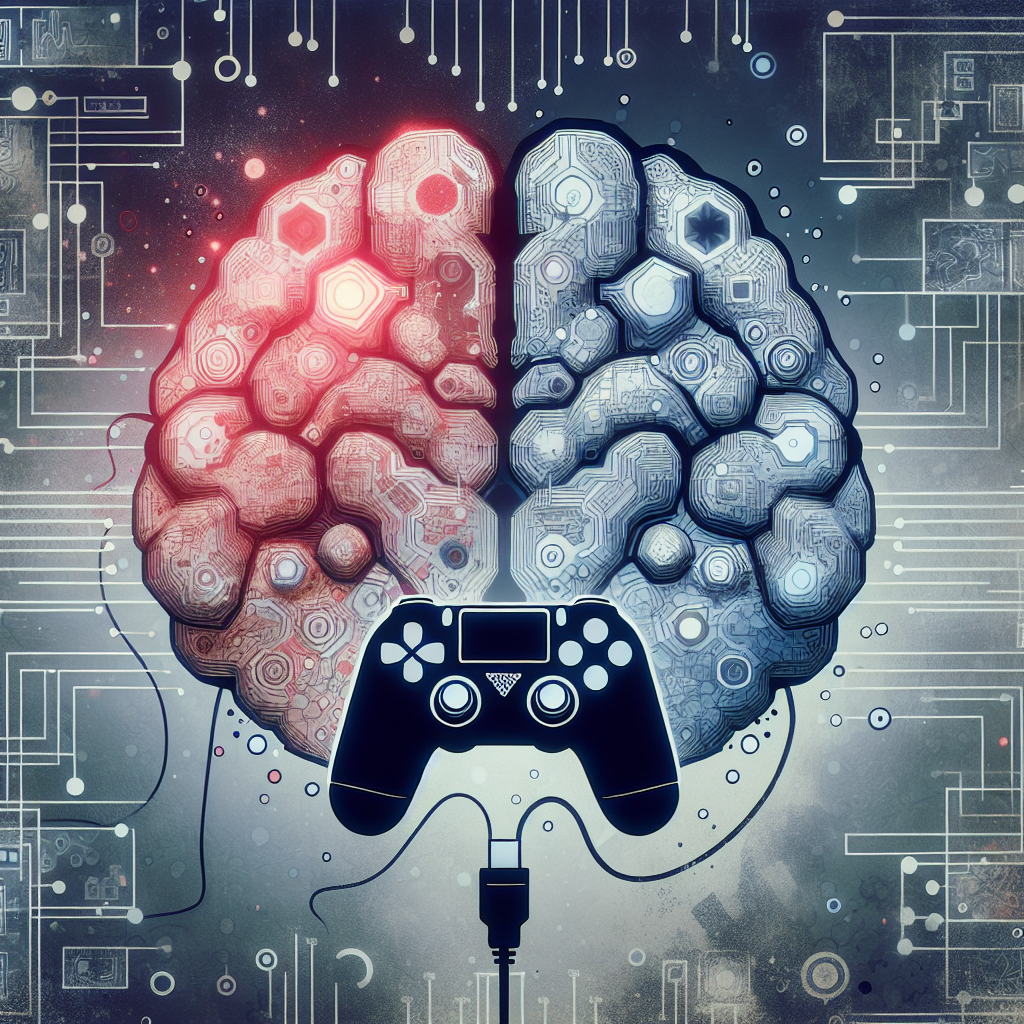
Artificial Intelligence (AI) has been making significant strides in the gaming industry, particularly in understanding and predicting player behavior. By utilizing advanced machine learning algorithms and data analytics, AI can provide valuable insights into the psychology of gamers, helping game developers create more personalized and engaging gaming experiences. In this article, we will explore how AI is revolutionizing the gaming industry by understanding player behavior, and how this knowledge can be leveraged to enhance player engagement and satisfaction.
Understanding Player Behavior
Player behavior in video games is a complex and multi-faceted phenomenon, influenced by a variety of factors such as personality traits, motivations, emotions, and cognitive processes. AI technologies can analyze vast amounts of data generated by players during gameplay, including in-game actions, interactions with other players, and physiological responses, to identify patterns and trends in player behavior.
One of the key applications of AI in understanding player behavior is player modeling, which involves creating predictive models of player preferences, tendencies, and decision-making processes. By analyzing player data, AI can identify common player archetypes, such as achievers, explorers, socializers, and killers, and tailor game experiences to cater to the preferences of each player type.
AI can also be used to analyze player emotions and reactions during gameplay, through techniques such as sentiment analysis and facial recognition. By monitoring player expressions and physiological responses, AI can gauge player engagement, frustration, and satisfaction, and adjust the game’s difficulty level or pacing accordingly.
Furthermore, AI-powered recommendation systems can suggest personalized content and challenges to players based on their past behaviors and preferences. By analyzing player data, AI can identify which game features and content resonate most with each player, and recommend new experiences that are likely to be enjoyable and engaging.
Enhancing Player Engagement
By understanding player behavior, AI can help game developers create more immersive and engaging gaming experiences that resonate with players on a personal level. By tailoring game content and challenges to individual player preferences, AI can increase player engagement and motivation, leading to longer play sessions and increased player retention.
AI can also be used to dynamically adjust game difficulty levels based on player performance and skill level, ensuring that players are consistently challenged but not overwhelmed. By analyzing player data in real-time, AI can detect patterns of player behavior and skill progression, and adjust the game’s difficulty curve to provide a satisfying and rewarding experience.
Furthermore, AI-powered chatbots and virtual assistants can enhance player engagement by providing real-time feedback, guidance, and support to players during gameplay. By analyzing player interactions and responses, AI can offer personalized tips and suggestions to help players overcome challenges, discover hidden content, and improve their performance.
In addition, AI can enable dynamic storytelling and narrative generation in games, by analyzing player choices and actions to create branching storylines and personalized narratives. By adapting the game’s plot and dialogue to reflect player decisions and behaviors, AI can create a more immersive and interactive storytelling experience that resonates with players on an emotional level.
FAQs
Q: How does AI analyze player behavior in video games?
A: AI analyzes player behavior in video games by collecting and analyzing data generated by players during gameplay, such as in-game actions, interactions with other players, and physiological responses. By applying advanced machine learning algorithms and data analytics techniques, AI can identify patterns and trends in player behavior, and create predictive models of player preferences, tendencies, and decision-making processes.
Q: How does AI enhance player engagement in video games?
A: AI enhances player engagement in video games by tailoring game content and challenges to individual player preferences, adjusting game difficulty levels based on player performance and skill level, providing real-time feedback and support to players during gameplay, and enabling dynamic storytelling and narrative generation. By creating more personalized and immersive gaming experiences, AI can increase player engagement and motivation, leading to longer play sessions and increased player retention.
Q: What are some examples of AI-powered features in video games?
A: Some examples of AI-powered features in video games include player modeling, sentiment analysis, recommendation systems, chatbots and virtual assistants, and dynamic storytelling. These AI-powered features help game developers understand player behavior, emotions, and preferences, and create more personalized and engaging gaming experiences that resonate with players on a personal level.
In conclusion, AI is revolutionizing the gaming industry by providing valuable insights into player behavior and preferences, and enabling game developers to create more personalized and engaging gaming experiences. By analyzing player data, predicting player behavior, and tailoring game content to individual preferences, AI can enhance player engagement, satisfaction, and retention, leading to more immersive and rewarding gaming experiences for players. As AI technologies continue to advance, we can expect to see even more innovative applications of AI in gaming, further blurring the line between virtual worlds and reality.