
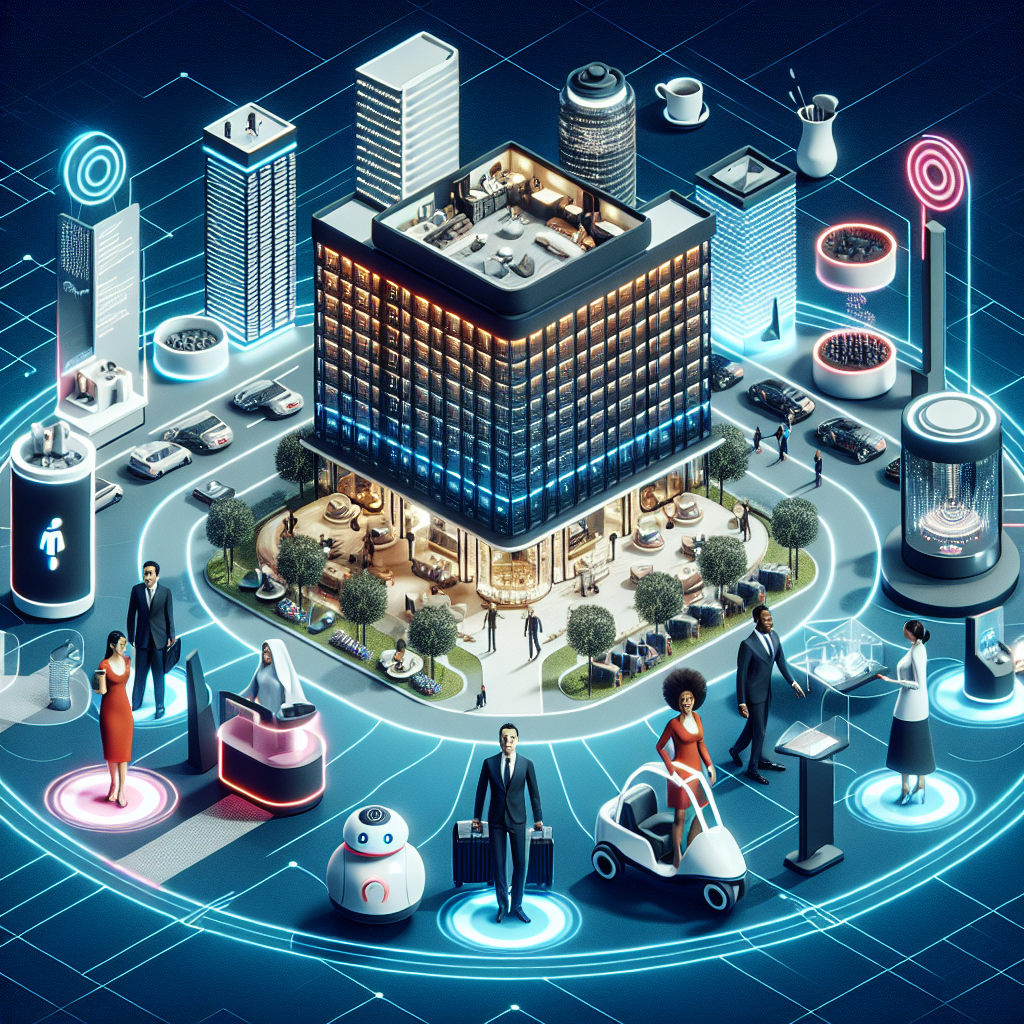
Artificial Intelligence (AI) has been revolutionizing many industries, and the hotel industry is no exception. The impact of AI on hotel operations and efficiency is profound, with hotels using AI technologies to streamline processes, enhance guest experiences, and improve overall operational efficiency. From chatbots to facial recognition technology, AI is transforming the way hotels operate. In this article, we will explore the various ways in which AI is being used in the hotel industry and its impact on hotel operations and efficiency.
1. Chatbots and Virtual Assistants
One of the most common uses of AI in the hotel industry is through the use of chatbots and virtual assistants. These AI-powered tools can handle guest inquiries, make reservations, provide recommendations, and even process payments. Chatbots can be integrated into a hotel’s website or mobile app, providing instant responses to guest queries and enhancing customer service. By automating these tasks, hotels can free up staff to focus on more complex guest needs, ultimately improving guest satisfaction and loyalty.
2. Personalized Recommendations
AI algorithms can analyze guest data and preferences to provide personalized recommendations for services, amenities, and activities. By leveraging this data, hotels can tailor their offerings to each guest, creating a more personalized and memorable experience. For example, AI can suggest room upgrades, spa treatments, or restaurant reservations based on a guest’s past preferences and behaviors. This level of personalization can enhance guest satisfaction and increase revenue for the hotel.
3. Revenue Management
AI-powered revenue management systems analyze market trends, demand patterns, and booking data to optimize pricing strategies. By dynamically adjusting room rates based on demand and availability, hotels can maximize revenue and occupancy rates. These AI systems can also provide insights into competitor pricing, helping hotels stay competitive in the market. By automating the revenue management process, hotels can make data-driven decisions that lead to increased profitability.
4. Predictive Maintenance
AI technology can help hotels predict and prevent equipment failures before they occur. By analyzing data from sensors and monitoring systems, AI can identify patterns that indicate potential issues with HVAC systems, elevators, or other critical equipment. By addressing these issues proactively, hotels can minimize downtime, reduce maintenance costs, and improve the overall guest experience. Predictive maintenance can also extend the lifespan of equipment, saving hotels money in the long run.
5. Facial Recognition Technology
Some hotels are using facial recognition technology to enhance security and streamline check-in processes. Guests can check in using facial recognition technology, eliminating the need for traditional key cards or ID verification. This not only speeds up the check-in process but also enhances security by verifying the guest’s identity. Facial recognition technology can also be used to personalize the guest experience, such as greeting guests by name or providing tailored recommendations based on their preferences.
FAQs:
Q: How can AI improve guest satisfaction in hotels?
A: AI can improve guest satisfaction by providing personalized recommendations, automating routine tasks, and enhancing the overall guest experience. By analyzing guest data and preferences, hotels can tailor their offerings to each guest, creating a more personalized and memorable stay.
Q: What are the benefits of using AI in hotel operations?
A: The benefits of using AI in hotel operations include increased efficiency, improved guest satisfaction, optimized pricing strategies, enhanced security, and predictive maintenance. AI technologies can automate routine tasks, analyze data to make data-driven decisions, and provide personalized experiences for guests.
Q: Are there any privacy concerns associated with using AI in hotels?
A: While AI technologies can enhance the guest experience, there are privacy concerns associated with using facial recognition technology and collecting guest data. Hotels must ensure that they are transparent about how guest data is collected, stored, and used, and comply with data privacy regulations to protect guest information.
Q: How can hotels ensure that AI technologies are implemented successfully?
A: To successfully implement AI technologies, hotels should invest in training staff, choosing the right technology partners, and continuously monitoring and evaluating the performance of AI systems. Hotels should also prioritize guest privacy and data security when using AI technologies to enhance the guest experience.
In conclusion, AI is transforming the hotel industry by enhancing operational efficiency, improving guest satisfaction, and driving revenue growth. By leveraging AI technologies such as chatbots, personalized recommendations, revenue management systems, and predictive maintenance, hotels can streamline processes, optimize pricing strategies, and provide personalized experiences for guests. While there are privacy concerns associated with using AI in hotels, when implemented correctly, AI technologies can revolutionize the way hotels operate and deliver exceptional guest experiences.