
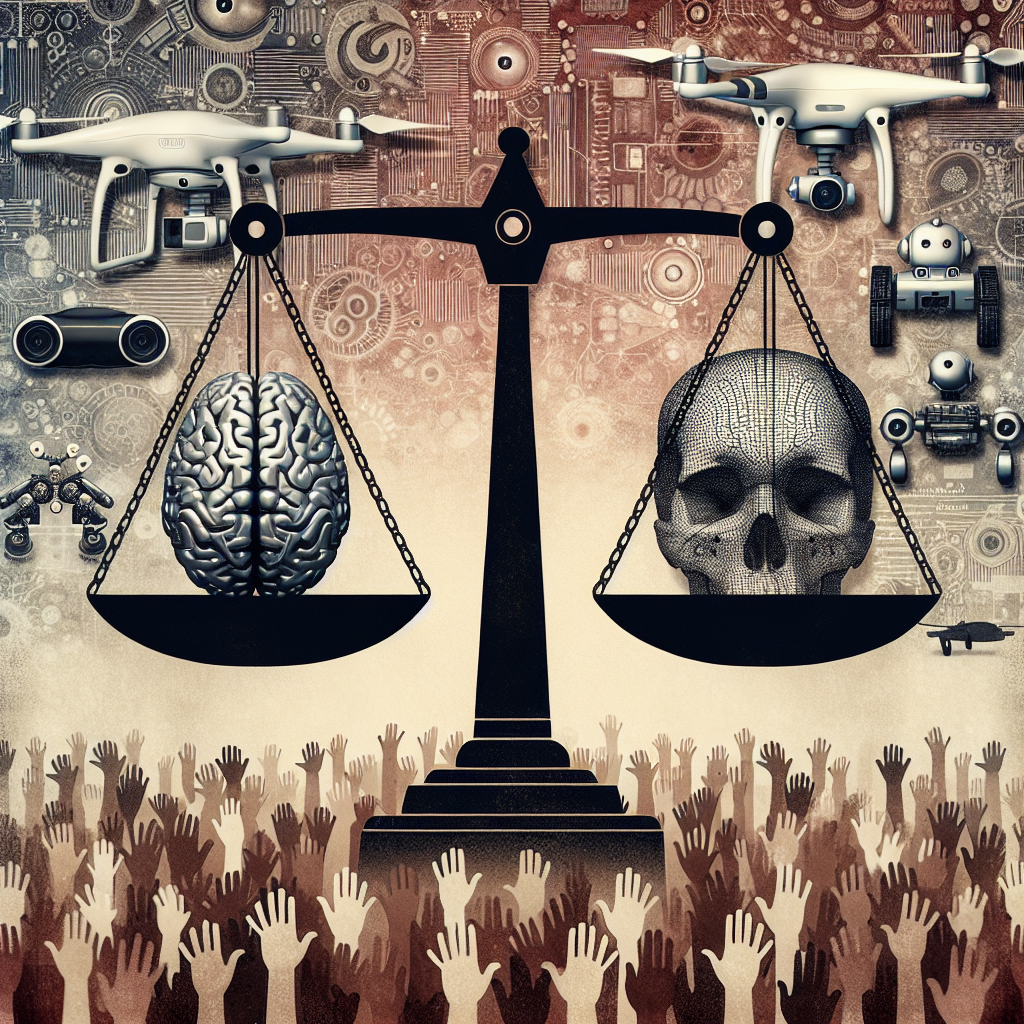
Artificial Intelligence (AI) has become an increasingly important and pervasive technology in our society. From self-driving cars to personalized recommendations on streaming services, AI is shaping the way we live, work, and interact with the world around us. However, as AI systems become more sophisticated and autonomous, questions about ethics, social justice, and equity become increasingly important.
The Ethics of AI
Ethics in AI refers to the moral principles and values that guide the development, deployment, and use of AI systems. These principles are crucial in ensuring that AI technologies are used in a way that is fair, transparent, and accountable. AI systems have the potential to impact individuals and society in profound ways, and it is important to consider the ethical implications of these technologies.
One of the key ethical concerns in AI is the issue of bias. AI systems are trained on large datasets, and if these datasets contain biased or discriminatory information, the AI system can perpetuate and even amplify these biases. For example, if a facial recognition system is trained on a dataset that is predominantly white, it may have difficulty accurately identifying individuals with darker skin tones. This can have serious implications in areas such as law enforcement, where biased AI systems can lead to unfair treatment of certain groups of people.
Another ethical concern in AI is the issue of transparency and accountability. AI systems are often complex and opaque, making it difficult to understand how they arrive at their decisions. This lack of transparency can make it challenging to hold AI systems accountable for their actions, especially in cases where their decisions have negative consequences. For example, if an AI system is used to make decisions about who receives a loan or who is granted parole, it is important that these decisions are transparent and can be explained to those affected by them.
Implications for Social Justice and Equity
The ethical concerns surrounding AI have significant implications for social justice and equity. AI systems have the potential to either exacerbate existing inequalities or help address them. For example, biased AI systems can perpetuate systemic discrimination and inequality, leading to further marginalization of already disadvantaged groups. On the other hand, AI technologies have the potential to improve access to services and resources for marginalized communities, leading to greater equity and social justice.
One area where AI can have a positive impact on social justice and equity is in healthcare. AI technologies have the potential to improve healthcare outcomes by enabling more personalized and efficient care. For example, AI systems can analyze medical imaging data to detect early signs of disease, leading to earlier diagnosis and treatment. This can help reduce healthcare disparities and improve outcomes for marginalized communities who may have limited access to healthcare services.
However, it is important to ensure that AI technologies are developed and deployed in a way that promotes social justice and equity. This requires careful consideration of the ethical implications of AI systems and the potential impact on marginalized communities. It also requires collaboration between technologists, policymakers, and community members to ensure that AI technologies are used in a way that benefits everyone in society.
FAQs
Q: How can we ensure that AI systems are free from bias?
A: One way to address bias in AI systems is to ensure that the datasets used to train these systems are diverse and representative of the population. This can help reduce the risk of biased outcomes and ensure that AI systems are fair and equitable. Additionally, developers can use techniques such as bias detection and mitigation to identify and address biases in AI systems.
Q: How can we ensure transparency and accountability in AI systems?
A: Transparency and accountability in AI systems can be achieved through practices such as algorithmic transparency, where developers provide explanations for how AI systems arrive at their decisions. Additionally, mechanisms for auditing and oversight can help ensure that AI systems are held accountable for their actions and decisions.
Q: What role do policymakers play in ensuring ethical AI?
A: Policymakers play a critical role in shaping the ethical development and deployment of AI technologies. They can create regulations and guidelines that govern the use of AI systems, ensuring that they are used in a way that is fair, transparent, and accountable. Policymakers can also work to address the societal implications of AI, such as unemployment due to automation, and ensure that AI technologies benefit everyone in society.
In conclusion, the ethics of AI have significant implications for social justice and equity in autonomous systems. It is important to address issues such as bias, transparency, and accountability in AI systems to ensure that they are used in a way that promotes fairness and equality. By considering the ethical implications of AI technologies and working to address them, we can ensure that AI systems benefit everyone in society and contribute to a more just and equitable world.