
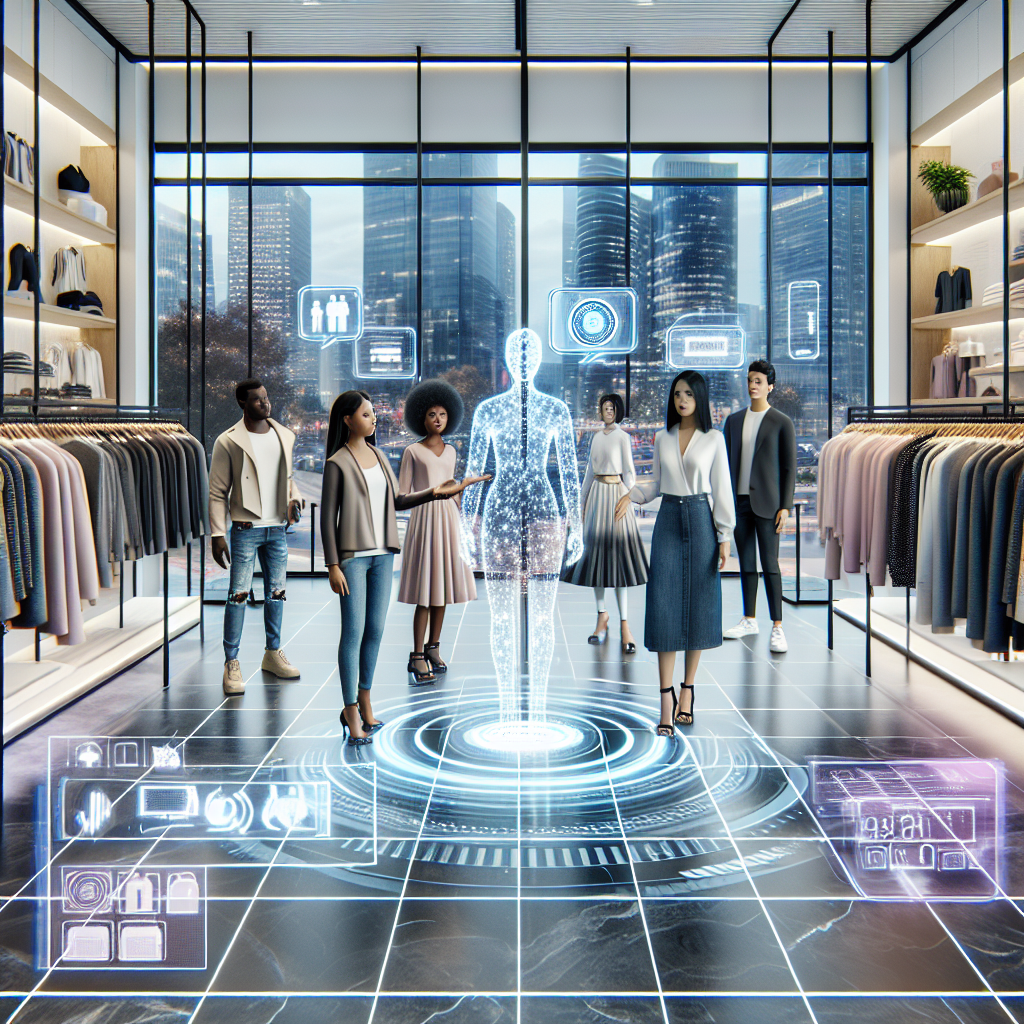
Artificial intelligence (AI) has been making waves in the fashion industry in recent years, revolutionizing the way retailers interact with customers and manage their businesses. AI technology is being used to enhance the customer shopping experience, personalize recommendations, optimize inventory management, and streamline operations in fashion retail spaces. As we look to the future, the integration of AI in fashion retail spaces is expected to continue to grow and evolve, transforming the way consumers shop and interact with brands.
One of the key benefits of AI in fashion retail spaces is the ability to provide personalized recommendations to customers. AI algorithms can analyze customer data, such as past purchases, browsing history, and social media interactions, to create personalized product recommendations tailored to each individual shopper. This level of personalization helps to enhance the shopping experience for customers, making it more convenient and enjoyable. By offering personalized recommendations, retailers can increase customer engagement, drive sales, and build loyalty with their customers.
In addition to personalized recommendations, AI is also being used to optimize inventory management in fashion retail spaces. AI algorithms can analyze sales data, trends, and consumer behavior to predict demand for specific products, allowing retailers to better manage their inventory levels and avoid stockouts or overstock situations. By optimizing inventory management, retailers can reduce costs, minimize waste, and improve overall efficiency in their operations.
Another way AI is transforming the fashion retail industry is through the use of virtual assistants and chatbots. These AI-powered tools can provide customers with personalized assistance and support, helping them find products, make purchases, and get answers to their questions. Virtual assistants and chatbots are available 24/7, providing customers with instant support and guidance whenever they need it. By incorporating virtual assistants and chatbots into their retail spaces, brands can enhance the customer experience, increase customer satisfaction, and drive sales.
AI technology is also being used to enhance the design and production process in the fashion industry. AI algorithms can analyze trends, consumer preferences, and market data to help designers create more innovative and on-trend collections. By leveraging AI technology, designers can develop products that are more in line with consumer demand, leading to increased sales and profitability. Additionally, AI can also help streamline the production process by optimizing scheduling, resource allocation, and supply chain management, resulting in faster time to market and reduced production costs.
As we look to the future, the integration of AI in fashion retail spaces is expected to continue to evolve and expand. Some of the key trends that we can expect to see in the coming years include the use of AI-powered virtual fitting rooms, augmented reality shopping experiences, and predictive analytics for trend forecasting. Virtual fitting rooms will allow customers to try on clothes virtually, helping them make more informed purchasing decisions and reducing the need for physical try-ons. Augmented reality shopping experiences will enable customers to visualize products in their own space, creating a more immersive and engaging shopping experience. Predictive analytics for trend forecasting will help retailers anticipate consumer preferences and market trends, allowing them to stay ahead of the competition and drive sales.
Overall, AI technology is poised to revolutionize the fashion retail industry, transforming the way retailers interact with customers, manage their businesses, and design and produce products. By leveraging AI technology, fashion retailers can enhance the customer experience, increase operational efficiency, and drive sales and profitability. As we look to the future, the integration of AI in fashion retail spaces will continue to shape the industry, providing new opportunities for innovation and growth.
FAQs:
1. What are some examples of AI applications in fashion retail spaces?
– Some examples of AI applications in fashion retail spaces include personalized recommendations, virtual assistants and chatbots, inventory management optimization, and trend forecasting.
2. How can AI technology enhance the customer shopping experience in fashion retail spaces?
– AI technology can enhance the customer shopping experience by providing personalized recommendations, virtual fitting rooms, augmented reality shopping experiences, and 24/7 customer support through virtual assistants and chatbots.
3. How can AI technology help fashion retailers optimize their inventory management?
– AI technology can help fashion retailers optimize their inventory management by analyzing sales data, trends, and consumer behavior to predict demand for specific products, reducing stockouts and overstock situations.
4. What are some future trends we can expect to see in the integration of AI in fashion retail spaces?
– Some future trends we can expect to see in the integration of AI in fashion retail spaces include the use of virtual fitting rooms, augmented reality shopping experiences, and predictive analytics for trend forecasting.