
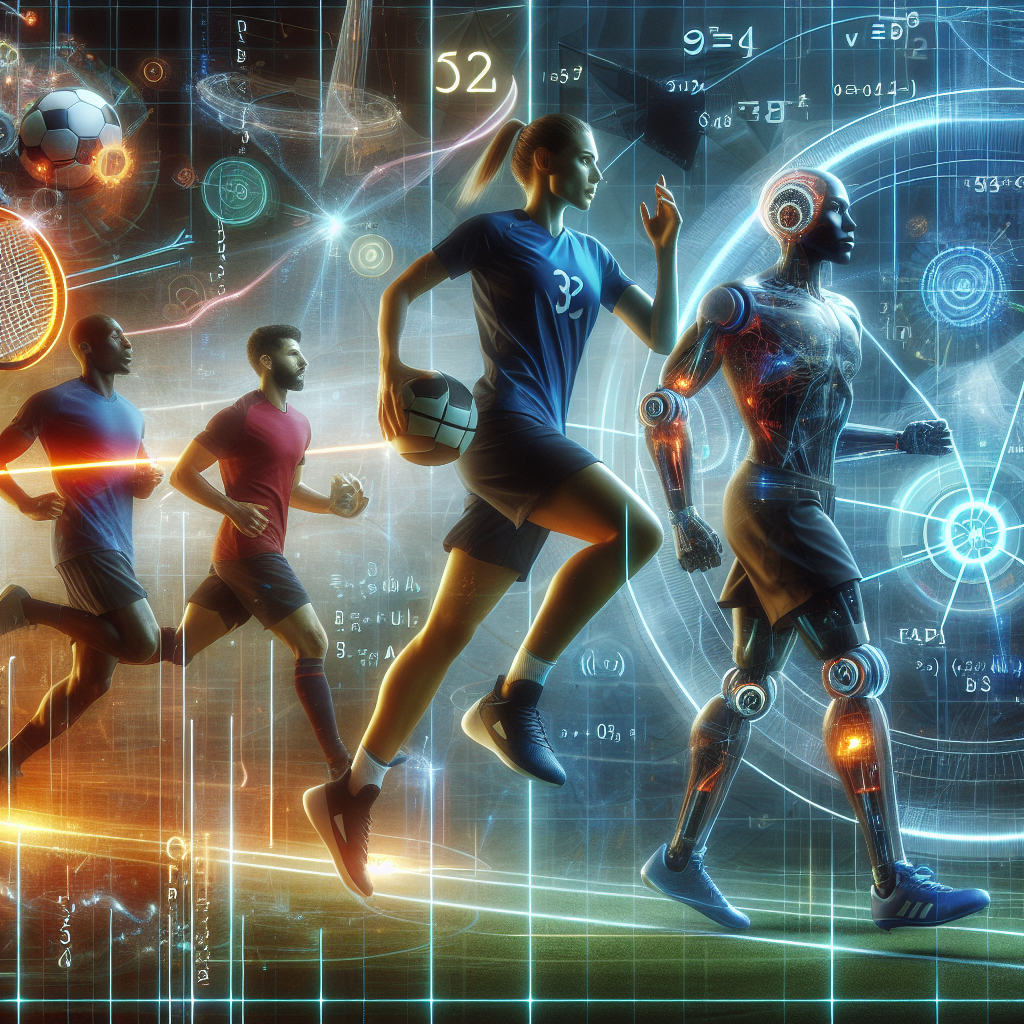
In recent years, advancements in artificial intelligence (AI) technology have revolutionized the way sports performance is analyzed and optimized. AI has the potential to transform the way athletes train, compete, and recover, by providing valuable insights and data-driven recommendations. From enhancing coaching strategies to improving injury prevention techniques, the applications of AI in sports performance analysis are vast and promising.
One of the key areas where AI is making a significant impact is in the field of sports analytics. Traditional methods of performance analysis involved manually collecting and analyzing data, which was time-consuming and often limited in scope. AI technologies, such as machine learning algorithms, have the ability to process vast amounts of data in real-time, providing coaches and athletes with actionable insights that can help improve performance.
For example, AI-powered video analysis tools can automatically track and analyze an athlete’s movements during a game or training session. By identifying patterns and trends in the data, coaches can pinpoint areas for improvement and tailor training programs to address specific weaknesses. This level of personalized feedback can help athletes optimize their performance and reach their full potential.
In addition to video analysis, AI is also being used to monitor and analyze biometric data, such as heart rate, sleep patterns, and hydration levels. By collecting and analyzing this data in real-time, coaches can track an athlete’s physical and mental state and make adjustments to their training regimen accordingly. This can help prevent injuries, optimize recovery times, and ensure that athletes are performing at their peak level.
Another area where AI is making a significant impact is in the development of predictive analytics models. By analyzing historical data and patterns, AI algorithms can predict future performance outcomes and help coaches make informed decisions about game strategies, player rotations, and training programs. This can give teams a competitive edge by allowing them to anticipate and respond to their opponents’ moves more effectively.
Furthermore, AI technologies are also being used to enhance the fan experience. For example, AI-powered virtual reality simulations can provide fans with a more immersive and interactive viewing experience, allowing them to feel like they are on the field with their favorite athletes. AI can also be used to personalize content and recommendations for fans, based on their preferences and viewing habits.
Overall, the future of sports performance analysis is bright with the integration of AI technologies. By harnessing the power of AI to analyze data, provide insights, and optimize performance, coaches and athletes can take their game to the next level.
FAQs:
Q: How accurate are AI-powered performance analysis tools?
A: AI-powered performance analysis tools are highly accurate, as they are able to process vast amounts of data in real-time and identify patterns and trends that may not be immediately apparent to human analysts. However, like any technology, the accuracy of AI tools can vary depending on the quality of the data and the algorithms used.
Q: How do athletes benefit from AI in sports performance analysis?
A: Athletes benefit from AI in sports performance analysis by receiving personalized feedback and recommendations that can help them optimize their training, prevent injuries, and improve their performance. AI technologies can provide athletes with valuable insights into their strengths and weaknesses, allowing them to tailor their training programs to address specific areas for improvement.
Q: How are coaches using AI in sports performance analysis?
A: Coaches are using AI in sports performance analysis to track and analyze their athletes’ movements, monitor their biometric data, and develop predictive analytics models. By leveraging AI technologies, coaches can make more informed decisions about game strategies, player rotations, and training programs, ultimately leading to better performance outcomes for their teams.
Q: Are there any ethical concerns associated with AI in sports performance analysis?
A: While AI technologies have the potential to greatly enhance sports performance analysis, there are ethical concerns that must be considered. These may include issues related to data privacy, the potential for bias in algorithms, and the impact on the human element of sports. It is important for organizations to address these concerns proactively and ensure that AI is used responsibly in the context of sports performance analysis.