
AI Applications in Wildlife Conservation
Artificial Intelligence (AI) is revolutionizing many industries, and wildlife conservation is no exception. With the use of AI technologies, conservationists can better monitor and protect endangered species, track poachers, and analyze data to make more informed decisions. In this article, we will explore some of the key AI applications in wildlife conservation and how they are making a positive impact on our planet’s biodiversity.
1. Monitoring and Tracking Wildlife
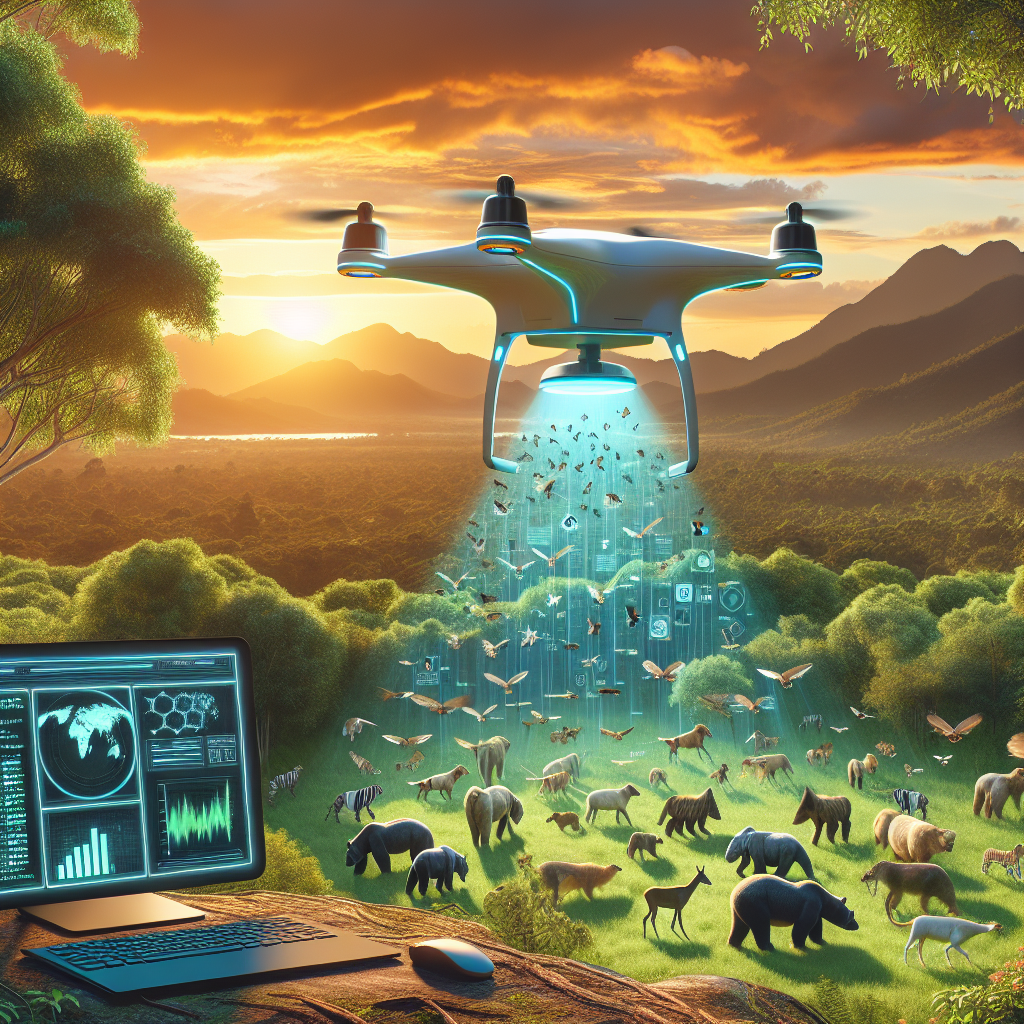
One of the most crucial aspects of wildlife conservation is monitoring and tracking endangered species. AI-powered drones and cameras are being used to track animals in their natural habitats, gather data on their movements, and identify individual animals for research purposes. This technology allows conservationists to keep a close eye on endangered species without disturbing their natural behavior.
For example, researchers in Africa are using AI to track and protect rhinos from poachers. By analyzing data from drones and camera traps, they can detect unusual behavior patterns and alert authorities to potential threats. This real-time monitoring system has helped reduce poaching incidents and save countless rhinos from extinction.
2. Analyzing Big Data
Conservationists collect vast amounts of data on wildlife populations, habitats, and threats. Analyzing this data manually can be time-consuming and inefficient. AI algorithms can process large datasets quickly and identify patterns that humans might miss. This allows researchers to make more informed decisions about conservation strategies and prioritize their efforts where they are needed most.
For instance, AI is being used to analyze satellite imagery to track deforestation and habitat loss in the Amazon rainforest. By detecting changes in vegetation cover and land use, conservationists can better understand the impact of human activities on wildlife habitats and take action to protect them.
3. Predicting Wildlife Behavior
AI can also be used to predict wildlife behavior and help conservationists anticipate and prevent potential threats. By analyzing historical data on animal movements, environmental conditions, and other factors, AI algorithms can forecast how animals are likely to respond to different stimuli.
For example, researchers are using AI to predict the migration patterns of sea turtles and adjust fishing practices to minimize accidental bycatch. By understanding when and where turtles are most likely to be present, fishermen can avoid areas where they are at risk of being caught in fishing nets.
4. Identifying Species and Habitats
AI technologies such as machine learning and computer vision are being used to identify species and habitats in images and videos. This can help researchers quickly catalog and classify wildlife data, making it easier to track changes in biodiversity over time.
For example, AI-powered software can analyze camera trap images and automatically identify different species of animals. This saves researchers valuable time and resources that would otherwise be spent manually labeling and cataloging images.
FAQs
Q: How is AI being used to combat poaching?
A: AI is being used to monitor and track endangered species, detect poachers in real-time, and analyze data to predict poaching hotspots. By using AI-powered drones and cameras, conservationists can better protect wildlife from illegal activities.
Q: Can AI help prevent habitat loss?
A: Yes, AI can be used to analyze satellite imagery and track changes in vegetation cover, land use, and deforestation. By monitoring habitat loss in real-time, conservationists can take action to protect threatened ecosystems and wildlife habitats.
Q: How accurate is AI in identifying species?
A: AI algorithms are constantly improving in their ability to identify species in images and videos. While they may not be 100% accurate, they can quickly analyze large datasets and provide valuable insights to researchers and conservationists.
In conclusion, AI applications in wildlife conservation are playing a crucial role in protecting endangered species, preserving habitats, and combating illegal activities such as poaching. By harnessing the power of AI technologies, conservationists can make more informed decisions and work more efficiently to safeguard our planet’s biodiversity for future generations.