
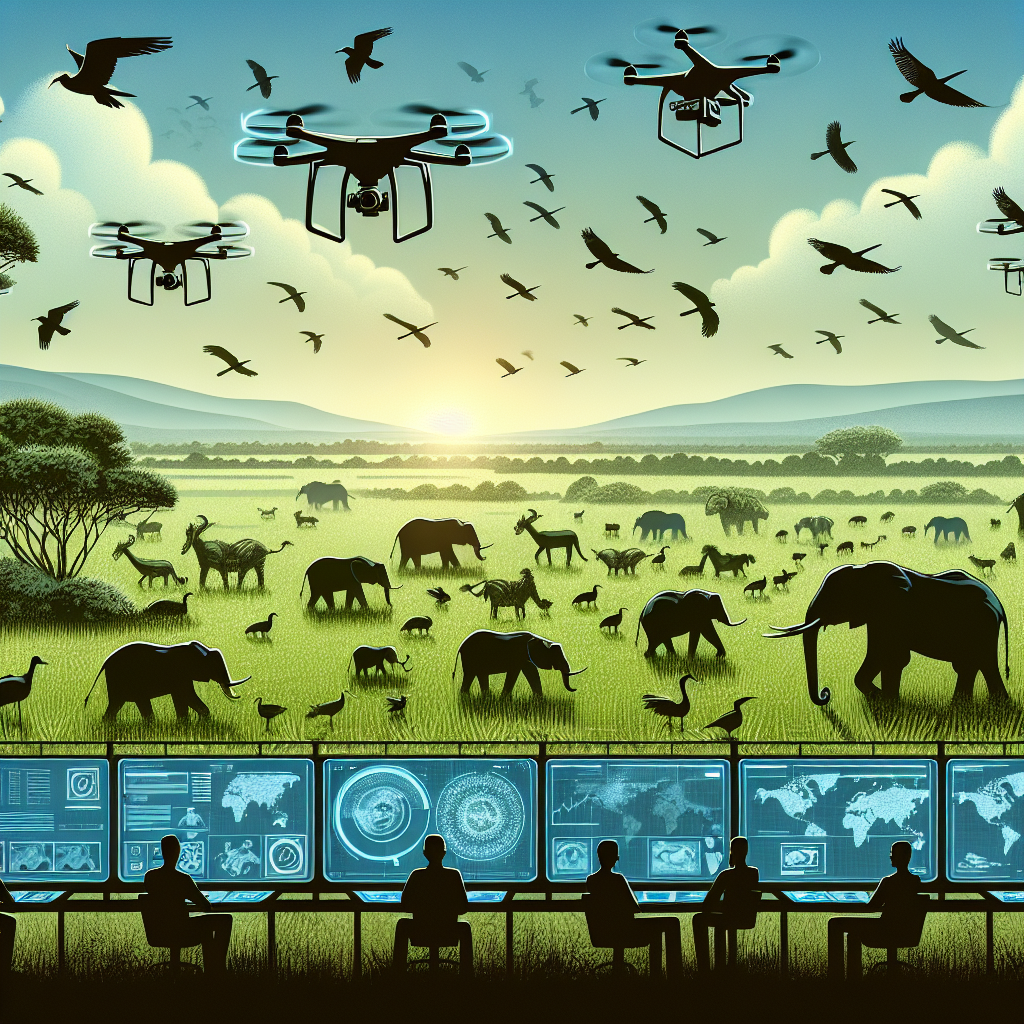
Artificial intelligence (AI) is revolutionizing the way we approach environmental conservation, particularly in the realm of wildlife monitoring and protection. By harnessing the power of AI, conservationists are able to collect, analyze, and interpret vast amounts of data in real-time, enabling them to make more informed decisions and take proactive measures to protect endangered species and their habitats.
AI Deployment in Wildlife Monitoring
One of the key challenges in wildlife monitoring is the sheer volume of data that needs to be collected and analyzed. Traditional methods of monitoring, such as camera traps and field surveys, are labor-intensive and time-consuming, often resulting in incomplete or outdated information. AI technologies, such as machine learning algorithms, can process large datasets quickly and efficiently, allowing conservationists to track animal populations in real-time and identify patterns and trends that would be impossible to detect manually.
For example, AI-powered drones equipped with cameras and sensors can survey large areas of land and water, capturing high-resolution images and videos of wildlife and their habitats. These images can then be analyzed using computer vision algorithms to identify individual animals, track their movements, and monitor changes in their behavior over time. This information can help conservationists better understand the distribution and abundance of species, assess the impact of human activities on their habitats, and develop targeted conservation strategies to protect them.
Another application of AI in wildlife monitoring is the use of acoustic sensors to record and analyze the sounds of animals in their natural environments. By training machine learning models to recognize the vocalizations of different species, researchers can monitor wildlife populations without the need for visual confirmation, making it possible to study elusive or nocturnal species that are difficult to observe directly.
AI Deployment in Wildlife Protection
In addition to monitoring wildlife populations, AI can also play a crucial role in protecting endangered species from poaching, habitat destruction, and other threats. By analyzing data from satellite imagery, GPS tracking devices, and other sources, conservationists can identify areas at high risk of illegal activities and deploy resources more effectively to combat them.
For example, AI algorithms can analyze patterns of movement and behavior in tracking data to predict where poachers are likely to strike next, allowing rangers to intercept them before they can harm wildlife. Similarly, machine learning models can analyze satellite images to detect illegal logging, mining, and other activities that are encroaching on protected areas, enabling authorities to take action to stop them.
AI can also be used to develop early warning systems for natural disasters, such as wildfires, floods, and droughts, that pose a threat to wildlife and their habitats. By analyzing environmental data in real-time, AI algorithms can predict when and where these events are likely to occur, giving conservationists more time to prepare and respond to protect vulnerable species.
Frequently Asked Questions (FAQs)
Q: How accurate is AI in wildlife monitoring and protection?
A: AI technologies have proven to be highly accurate in analyzing large datasets and detecting patterns and trends that may not be apparent to humans. However, like any tool, the accuracy of AI algorithms depends on the quality of the data they are trained on and the expertise of the researchers using them. Conservationists should always validate AI-generated results with on-the-ground observations and other sources of information to ensure their reliability.
Q: What are the ethical implications of using AI in wildlife conservation?
A: While AI has the potential to greatly enhance conservation efforts, it also raises ethical concerns related to privacy, data security, and bias. Conservationists must be mindful of the potential risks and limitations of AI technologies and take steps to ensure that they are used responsibly and transparently. This includes obtaining consent from local communities, protecting sensitive data, and mitigating any unintended consequences that may arise from the use of AI in conservation.
Q: How can I get involved in AI deployment for wildlife conservation?
A: There are many ways to contribute to the use of AI in wildlife conservation, whether you are a researcher, technologist, or concerned citizen. You can support organizations that are developing AI tools for conservation, volunteer your time and expertise to help analyze data and develop algorithms, or participate in citizen science projects that collect data on wildlife populations. By working together, we can harness the power of AI to protect endangered species and preserve our natural world for future generations.