
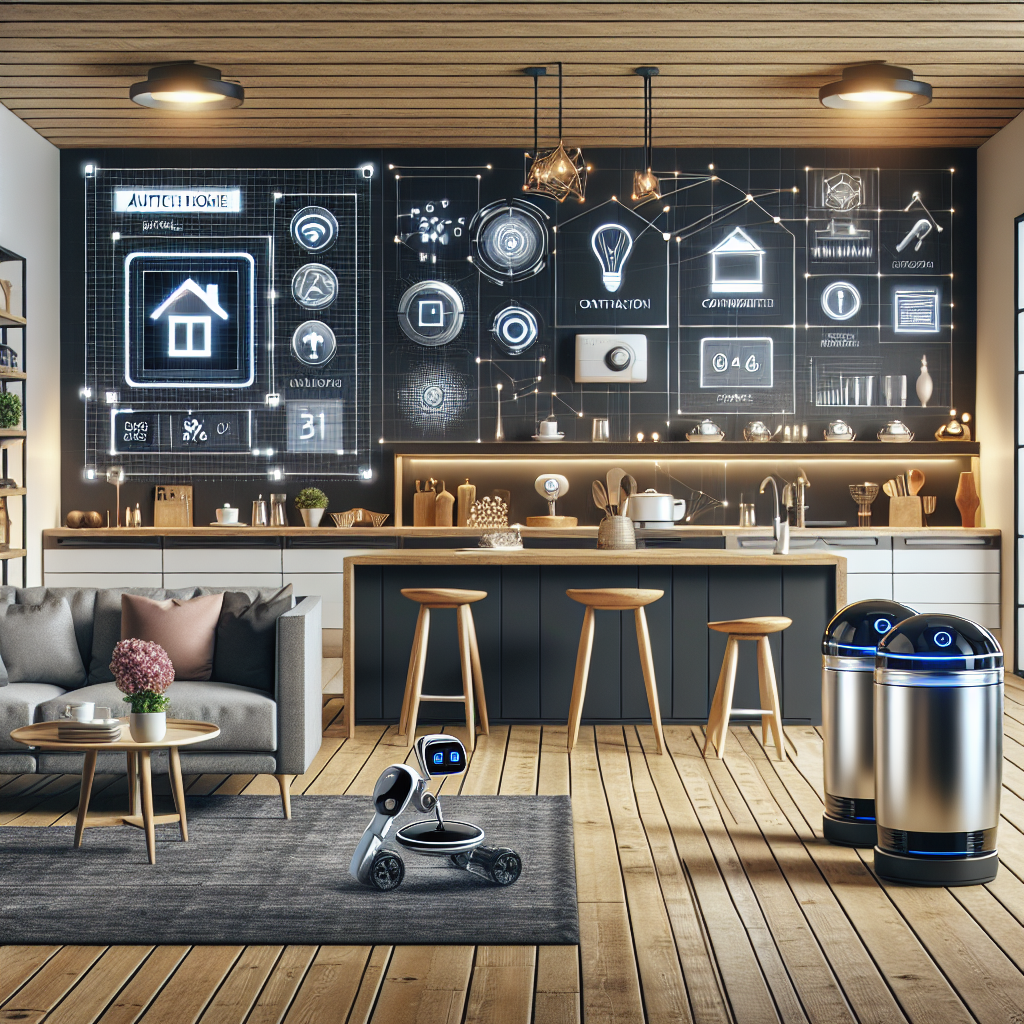
Artificial Intelligence (AI) has become a key component in the development of smart home technology. With the increasing demand for connected devices and automation in homes, AI has played a crucial role in making homes smarter and more convenient for users. From voice assistants to smart thermostats, AI is revolutionizing the way we interact with our homes.
AI in smart home technology enables devices to learn from our habits and preferences, making them more personalized and intuitive. By analyzing data and patterns, AI can anticipate our needs and adjust settings accordingly. This not only enhances the overall user experience but also contributes to energy efficiency and cost savings.
One of the most popular applications of AI in smart home technology is voice assistants like Amazon’s Alexa, Google Assistant, and Apple’s Siri. These devices use natural language processing and machine learning algorithms to understand and respond to voice commands. Users can control various smart devices in their homes, play music, set reminders, and even ask for information simply by speaking to their voice assistant.
Another area where AI is making a significant impact is in home security systems. AI-powered cameras and sensors can detect unusual activities and send alerts to homeowners in real-time. These systems can differentiate between humans and pets, reducing false alarms and providing more accurate notifications. AI also enables facial recognition technology, allowing homeowners to easily identify visitors and monitor their homes remotely.
AI is also being used to optimize energy consumption in smart homes. Smart thermostats like Nest Learning Thermostat use AI algorithms to learn users’ preferences and adjust the temperature accordingly. By analyzing data such as occupancy patterns, weather conditions, and energy usage, these devices can help homeowners save money on their utility bills while maintaining a comfortable living environment.
In addition to enhancing convenience and efficiency, AI in smart home technology also raises concerns about data privacy and security. With the increasing amount of personal data being collected by smart devices, there is a growing need to ensure that this information is protected from unauthorized access and misuse. Manufacturers and developers need to implement robust security measures to safeguard users’ data and prevent potential cyber threats.
As AI continues to evolve, there are endless possibilities for its integration into smart home technology. From predictive maintenance of appliances to personalized recommendations for entertainment and shopping, AI is reshaping the way we interact with our living spaces. As more devices become interconnected and intelligent, the concept of a truly “smart home” is becoming a reality.
FAQs:
Q: How does AI in smart home technology improve energy efficiency?
A: AI-powered devices like smart thermostats can learn users’ habits and adjust settings to optimize energy consumption. By analyzing data and patterns, these devices can help homeowners save money on their utility bills while maintaining a comfortable living environment.
Q: Are there any privacy concerns with AI in smart home technology?
A: Yes, there are concerns about data privacy and security with the increasing amount of personal data being collected by smart devices. Manufacturers and developers need to implement robust security measures to protect users’ data from unauthorized access and misuse.
Q: What are some popular AI-powered devices in smart home technology?
A: Voice assistants like Amazon’s Alexa, Google Assistant, and Apple’s Siri are some of the most popular AI-powered devices in smart home technology. These devices use natural language processing and machine learning algorithms to understand and respond to voice commands.
Q: How is AI being used in home security systems?
A: AI-powered cameras and sensors can detect unusual activities and send alerts to homeowners in real-time. These systems can differentiate between humans and pets, reducing false alarms and providing more accurate notifications. AI also enables facial recognition technology for enhanced security.
In conclusion, AI is playing a vital role in the development of smart home technology, making homes more personalized, convenient, and efficient. With its ability to analyze data, learn from user habits, and anticipate needs, AI is transforming the way we interact with our living spaces. As the technology continues to advance, we can expect to see more innovative applications of AI in smart home devices, further enhancing our daily lives.