
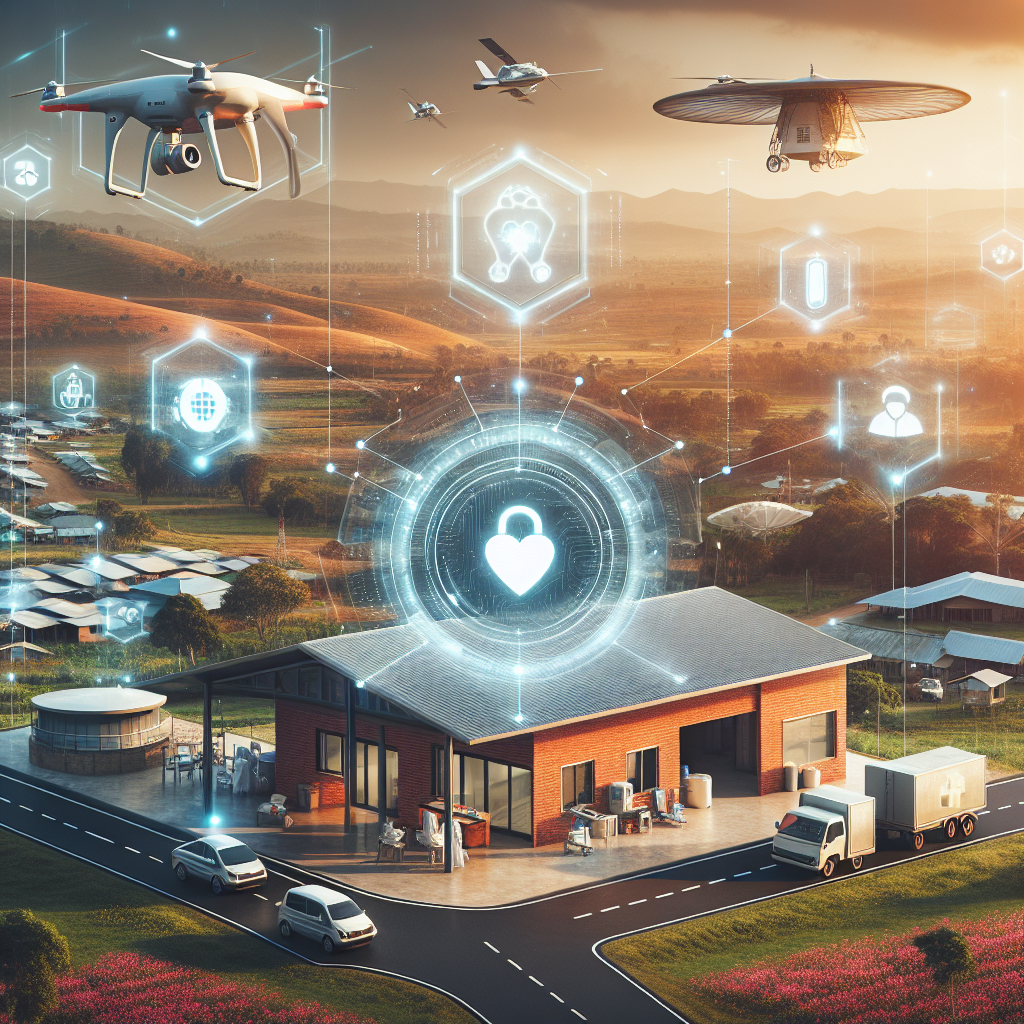
AI in Healthcare: Improving Healthcare Access in Rural Areas
Access to quality healthcare is a fundamental right that every individual should have, regardless of their location. However, for individuals living in rural areas, accessing healthcare services can be challenging due to various factors such as limited healthcare facilities, shortage of medical professionals, and long travel distances. This is where Artificial Intelligence (AI) comes into play, offering innovative solutions to bridge the gap and improve healthcare access in rural areas.
AI in healthcare refers to the use of advanced technologies like machine learning, natural language processing, and robotics to analyze complex medical data, diagnose diseases, and provide personalized treatment plans. In rural areas, AI is being increasingly utilized to enhance healthcare services and ensure that individuals living in remote locations have access to quality care. From telemedicine to remote monitoring devices, AI is transforming the way healthcare is delivered in rural communities.
Telemedicine: Telemedicine is one of the most significant advancements in healthcare technology that has revolutionized access to healthcare services in rural areas. Through telemedicine platforms, patients can consult with healthcare providers remotely, eliminating the need for long travel distances to visit a healthcare facility. AI-powered telemedicine platforms use algorithms to analyze patient data, provide accurate diagnosis, and recommend appropriate treatment plans. This not only saves time and money for patients but also enables them to receive timely medical care without having to leave their homes.
Remote Monitoring Devices: Another area where AI is making a significant impact in rural healthcare is remote monitoring devices. These devices are equipped with sensors that collect and transmit vital health data to healthcare providers in real-time. For individuals living in rural areas, remote monitoring devices offer a convenient way to track their health status and receive timely interventions when needed. AI algorithms analyze the data collected by these devices to detect any abnormalities or changes in health conditions, enabling healthcare providers to intervene promptly and prevent serious complications.
Predictive Analysis: AI-powered predictive analysis tools are being used in rural healthcare settings to identify high-risk patients and prevent adverse health outcomes. By analyzing patient data and identifying patterns, AI algorithms can predict the likelihood of developing certain diseases or complications. This enables healthcare providers to intervene early and implement preventive measures to improve patient outcomes. In rural areas where access to healthcare services is limited, predictive analysis tools play a crucial role in identifying at-risk individuals and providing targeted interventions to improve their health.
FAQs
Q: How does AI improve healthcare access in rural areas?
A: AI in healthcare offers innovative solutions such as telemedicine, remote monitoring devices, and predictive analysis tools to bridge the gap and improve healthcare access in rural areas. These technologies enable individuals living in remote locations to receive timely medical care without having to travel long distances to visit a healthcare facility.
Q: Are there any challenges in implementing AI in rural healthcare settings?
A: While AI has the potential to improve healthcare access in rural areas, there are several challenges in implementing these technologies. Limited internet connectivity, lack of awareness about AI among healthcare providers, and concerns about data privacy and security are some of the challenges that need to be addressed to ensure the successful implementation of AI in rural healthcare settings.
Q: How can AI help in diagnosing diseases in rural areas?
A: AI-powered diagnostic tools use advanced algorithms to analyze medical data, images, and test results to accurately diagnose diseases. In rural areas where access to specialist healthcare providers is limited, AI-powered diagnostic tools can provide timely and accurate diagnoses, enabling healthcare providers to recommend appropriate treatment plans for patients.
Q: What are the benefits of using AI in rural healthcare?
A: The benefits of using AI in rural healthcare are numerous, including improved access to healthcare services, timely medical interventions, personalized treatment plans, and reduced healthcare costs. AI-powered technologies enhance the quality of care and enable individuals living in rural areas to receive the same level of healthcare services as those living in urban areas.
In conclusion, AI in healthcare is transforming the way healthcare is delivered in rural areas, improving access to quality care for individuals living in remote locations. By leveraging advanced technologies like telemedicine, remote monitoring devices, and predictive analysis tools, AI is bridging the gap and ensuring that everyone has access to timely and personalized healthcare services. As AI continues to evolve, it holds great promise in revolutionizing rural healthcare and improving health outcomes for individuals in underserved communities.