
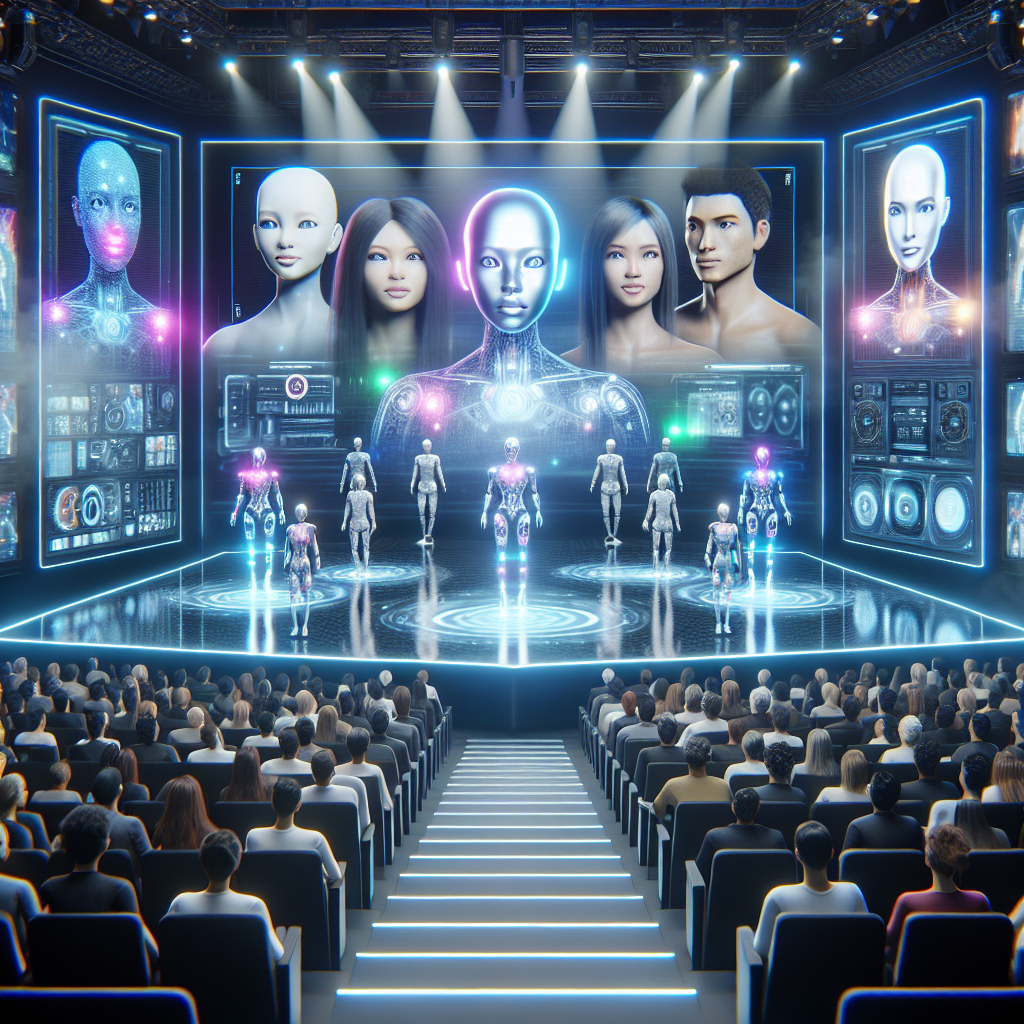
Artificial Intelligence (AI) is rapidly transforming the way we experience entertainment, and one of the most exciting applications of this technology is in interactive theater and immersive experiences. From virtual reality (VR) to augmented reality (AR) to mixed reality (MR), AI is being used to create dynamic, engaging, and personalized experiences for audiences around the world.
In interactive theater, AI can be used to enhance the audience’s experience by creating realistic and interactive characters that respond to the audience’s actions and emotions. For example, AI algorithms can analyze the audience’s facial expressions, body language, and verbal cues to adjust the storyline in real-time, creating a truly immersive and engaging experience.
In immersive experiences, AI can be used to create personalized and adaptive environments that respond to the audience’s preferences and interactions. For example, AI algorithms can analyze the audience’s behavior and preferences to create a customized experience that is tailored to each individual, making the experience more engaging and memorable.
One of the key benefits of using AI in interactive theater and immersive experiences is the ability to create truly interactive and dynamic experiences that can adapt to the audience’s input in real-time. This can create a more engaging and immersive experience for audiences, as they feel like they are an active participant in the performance rather than just a passive observer.
Another benefit of using AI in interactive theater and immersive experiences is the ability to create more personalized and customized experiences for audiences. By analyzing the audience’s behavior and preferences, AI algorithms can create a customized experience that is tailored to each individual, making the experience more engaging and memorable.
Furthermore, AI can also be used to create more realistic and interactive characters in interactive theater and immersive experiences. By using AI algorithms to analyze the audience’s facial expressions, body language, and verbal cues, creators can create characters that respond in a realistic and dynamic way, adding a new level of depth and immersion to the experience.
However, as with any new technology, there are also challenges and considerations to be aware of when using AI in interactive theater and immersive experiences. One of the key challenges is ensuring that the AI algorithms are accurate and reliable, as any inaccuracies or errors can detract from the overall experience and immersion.
Additionally, privacy and ethical considerations also need to be taken into account when using AI in interactive theater and immersive experiences. For example, creators need to ensure that the audience’s personal data is protected and that any data collected is used responsibly and ethically.
Despite these challenges, the potential for AI in interactive theater and immersive experiences is truly exciting, and we can expect to see more innovative and engaging experiences in the future as this technology continues to evolve.
FAQs:
1. How is AI used in interactive theater and immersive experiences?
AI is used in interactive theater and immersive experiences to create dynamic, engaging, and personalized experiences for audiences. This can include creating interactive characters that respond to the audience’s actions and emotions, analyzing the audience’s behavior and preferences to create customized experiences, and creating realistic and interactive environments.
2. What are the benefits of using AI in interactive theater and immersive experiences?
Some of the key benefits of using AI in interactive theater and immersive experiences include creating truly interactive and dynamic experiences that can adapt to the audience’s input in real-time, creating personalized and customized experiences for audiences, and creating more realistic and interactive characters.
3. What are some of the challenges of using AI in interactive theater and immersive experiences?
Some of the key challenges of using AI in interactive theater and immersive experiences include ensuring that the AI algorithms are accurate and reliable, addressing privacy and ethical considerations, and ensuring that the technology enhances the overall experience rather than detracting from it.
4. How can creators ensure that the audience’s personal data is protected when using AI in interactive theater and immersive experiences?
Creators can protect the audience’s personal data by implementing robust data protection measures, ensuring that any data collected is used responsibly and ethically, and being transparent with the audience about how their data is being used.
5. What can we expect to see in the future of AI in interactive theater and immersive experiences?
In the future, we can expect to see more innovative and engaging experiences that leverage AI technology to create truly immersive and interactive experiences for audiences. This could include more realistic and interactive characters, personalized and adaptive environments, and even more immersive and engaging storylines.