
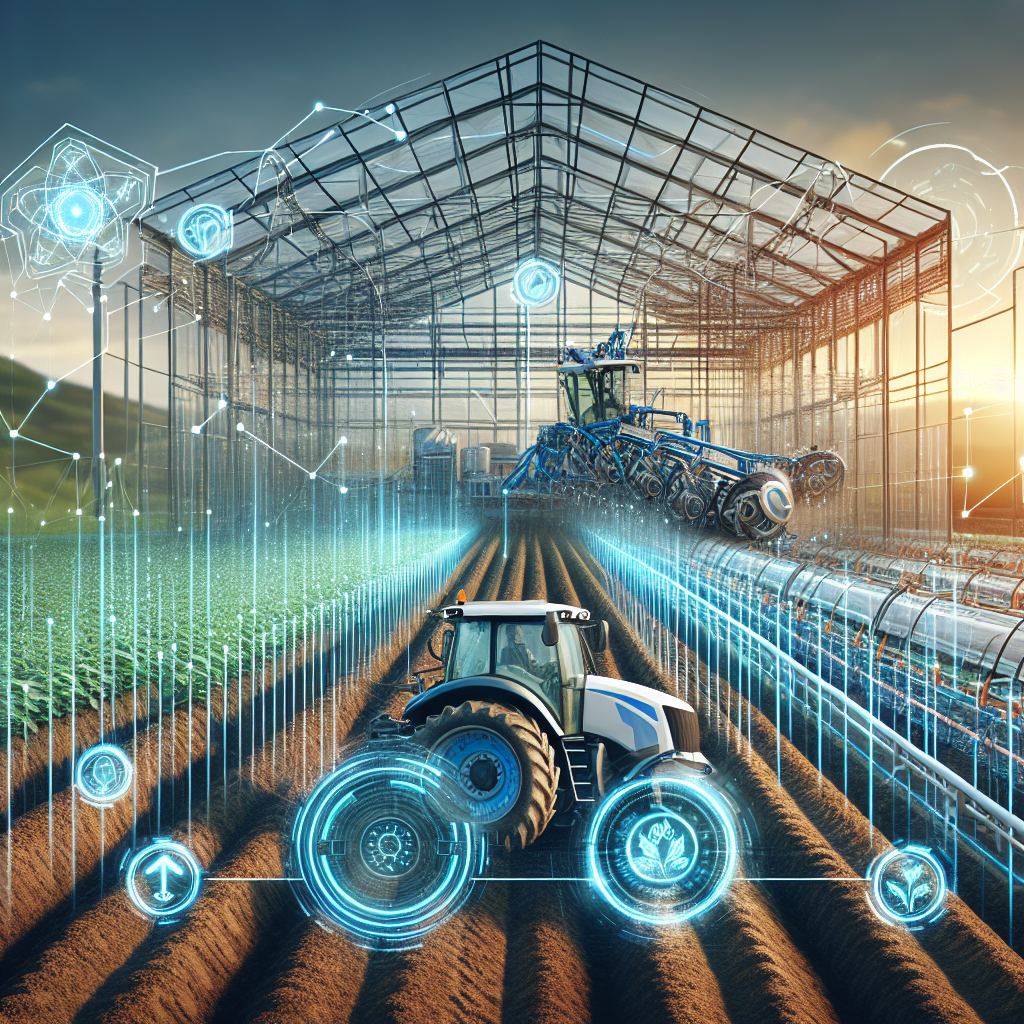
Soil nutrient management is a critical aspect of modern agriculture. Farmers need to ensure that their crops receive the right balance of nutrients in order to thrive and produce high yields. Traditionally, farmers have relied on soil tests and manual calculations to determine the right amount of fertilizers to apply to their fields. However, with the advent of artificial intelligence (AI) technology, there are now powerful tools available to help farmers optimize their soil nutrient management practices.
AI-powered tools use machine learning algorithms to analyze complex data sets and provide recommendations for optimizing soil nutrient management. These tools can take into account a wide range of factors, such as soil type, crop type, weather conditions, and previous crop yields, to provide personalized recommendations for each field. By using AI-powered tools, farmers can make more informed decisions about how to best manage their soil nutrients, leading to improved crop yields and reduced environmental impact.
One of the key benefits of AI-powered tools for soil nutrient management is their ability to provide real-time recommendations. Traditional soil tests can take weeks to process, leaving farmers waiting for results before they can make decisions about fertilization. With AI-powered tools, farmers can receive instant recommendations based on up-to-date data, allowing them to make quick and informed decisions about their soil nutrient management practices.
Another benefit of AI-powered tools is their ability to optimize nutrient application rates. By analyzing large amounts of data, AI algorithms can determine the optimal amount of each nutrient to apply to a field based on its specific characteristics. This can help farmers avoid over-fertilization, which can lead to nutrient runoff and environmental damage, as well as under-fertilization, which can result in poor crop yields.
AI-powered tools can also help farmers reduce their overall fertilizer usage, leading to cost savings and environmental benefits. By providing precise recommendations for nutrient application, these tools can help farmers apply only the nutrients that are needed, reducing waste and minimizing the environmental impact of agriculture.
In addition to optimizing nutrient management practices, AI-powered tools can also help farmers track soil nutrient levels over time. By collecting and analyzing data on soil nutrient levels, these tools can help farmers monitor changes in nutrient levels and adjust their management practices accordingly. This can help farmers maintain the long-term health of their soils and ensure sustainable crop production.
Overall, AI-powered tools for soil nutrient management offer a range of benefits for farmers, including improved crop yields, reduced environmental impact, and cost savings. By harnessing the power of artificial intelligence, farmers can make more informed decisions about how to manage their soil nutrients, leading to more sustainable and productive agriculture.
FAQs:
Q: How do AI-powered tools for soil nutrient management work?
A: AI-powered tools use machine learning algorithms to analyze data on soil type, crop type, weather conditions, and previous crop yields to provide personalized recommendations for optimizing soil nutrient management. These tools can provide real-time recommendations and optimize nutrient application rates to help farmers make more informed decisions about their soil nutrient management practices.
Q: What are the benefits of using AI-powered tools for soil nutrient management?
A: AI-powered tools offer a range of benefits for farmers, including improved crop yields, reduced environmental impact, cost savings, and the ability to track soil nutrient levels over time. By providing personalized recommendations and real-time data analysis, these tools can help farmers optimize their soil nutrient management practices and make more sustainable and productive agricultural decisions.
Q: How can AI-powered tools help farmers reduce fertilizer usage?
A: By providing precise recommendations for nutrient application rates, AI-powered tools can help farmers apply only the nutrients that are needed, reducing waste and minimizing the environmental impact of agriculture. By optimizing nutrient application rates, these tools can help farmers reduce their overall fertilizer usage, leading to cost savings and environmental benefits.