
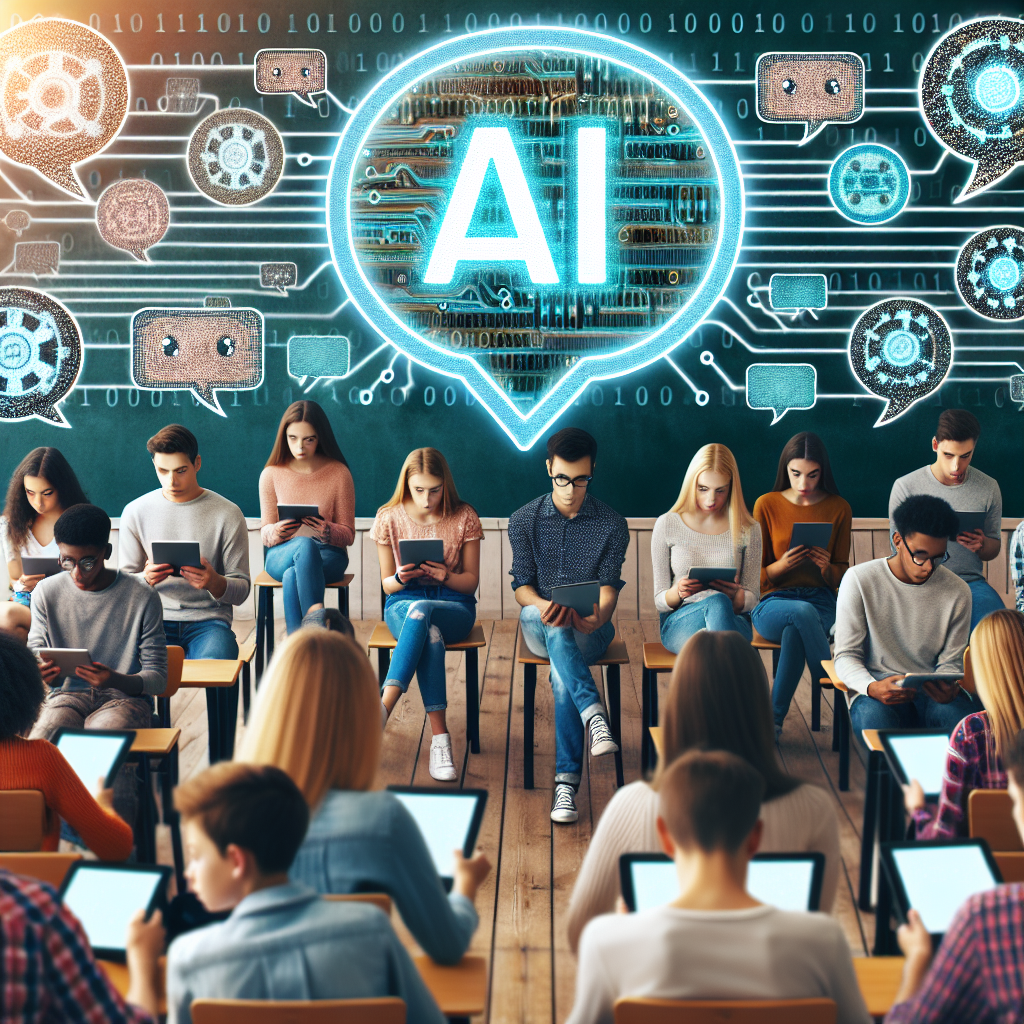
Conversational AI, also known as chatbots or virtual assistants, is revolutionizing the way students and teachers interact in the education sector. This technology uses natural language processing and machine learning algorithms to simulate human-like conversations, enabling personalized and context-aware interactions between students, teachers, and educational institutions. Conversational AI is being leveraged across various educational settings, including K-12 schools, colleges, and universities, to enhance student engagement, streamline administrative tasks, and improve learning outcomes.
One of the key benefits of Conversational AI in the education sector is its ability to enhance student engagement. By providing students with a conversational interface to access information, ask questions, and receive feedback, educational institutions can create a more interactive and personalized learning experience. Students can use chatbots to get instant answers to their questions, access educational resources, receive feedback on assignments, and even participate in interactive quizzes and assessments.
Conversational AI can also help teachers and educational institutions improve communication with students. By automating routine tasks such as answering frequently asked questions, providing course information, and scheduling appointments, chatbots can free up teachers’ time to focus on more meaningful interactions with students. For example, a chatbot can help students schedule office hours with their teachers, receive reminders about upcoming assignments and exams, and even provide personalized recommendations for study materials based on their learning preferences and performance.
Furthermore, Conversational AI can play a crucial role in personalized learning. By analyzing students’ interactions with the chatbot, educational institutions can gain valuable insights into students’ learning preferences, strengths, and weaknesses. This data can be used to personalize learning experiences, recommend relevant resources, and provide targeted interventions to help students succeed academically. For example, a chatbot can recommend additional reading materials to a student who is struggling with a particular concept or provide real-time feedback on their performance in a virtual classroom setting.
In addition to enhancing student engagement and personalized learning, Conversational AI can also streamline administrative tasks in the education sector. Educational institutions can use chatbots to automate routine processes such as admissions, course registration, and student inquiries. By providing students with a self-service interface to access information and complete tasks, educational institutions can reduce administrative overhead, improve operational efficiency, and enhance the overall student experience.
Despite the numerous benefits of Conversational AI in the education sector, there are some challenges and considerations that educational institutions need to keep in mind when implementing this technology. One of the key challenges is ensuring the accuracy and reliability of the chatbot’s responses. Since chatbots rely on natural language processing algorithms to understand and respond to user queries, there is a risk of misinterpretation or misinformation. Educational institutions need to invest in robust training data, quality assurance processes, and ongoing monitoring to ensure that the chatbot provides accurate and relevant information to students.
Another challenge is the potential impact of Conversational AI on human-to-human interactions in the education sector. While chatbots can enhance student engagement and streamline administrative tasks, they should not replace the role of teachers and educators in the learning process. Educational institutions need to strike a balance between using chatbots to augment student-teacher interactions and ensuring that students continue to receive personalized support and guidance from human educators.
In conclusion, Conversational AI is transforming the education sector by enhancing student engagement, streamlining administrative tasks, and enabling personalized learning experiences. By leveraging this technology, educational institutions can create a more interactive and personalized learning environment, improve communication with students, and enhance the overall student experience. However, it is important for educational institutions to address the challenges and considerations associated with implementing Conversational AI to ensure its successful adoption and integration into the education sector.
FAQs:
1. How can Conversational AI enhance student engagement in the education sector?
Conversational AI can enhance student engagement by providing students with a conversational interface to access information, ask questions, receive feedback, and participate in interactive quizzes and assessments. This technology enables personalized and context-aware interactions between students and educational institutions, creating a more interactive and personalized learning experience.
2. What are some of the benefits of Conversational AI in the education sector?
Some of the benefits of Conversational AI in the education sector include enhancing student engagement, streamlining administrative tasks, improving communication with students, and enabling personalized learning experiences. By leveraging this technology, educational institutions can create a more interactive and personalized learning environment, improve operational efficiency, and enhance the overall student experience.
3. What are some of the challenges of implementing Conversational AI in the education sector?
Some of the challenges of implementing Conversational AI in the education sector include ensuring the accuracy and reliability of the chatbot’s responses, addressing the potential impact on human-to-human interactions, and balancing the use of chatbots with human educators. Educational institutions need to invest in robust training data, quality assurance processes, and ongoing monitoring to ensure the successful adoption and integration of Conversational AI.
4. How can educational institutions ensure the successful adoption of Conversational AI?
Educational institutions can ensure the successful adoption of Conversational AI by investing in robust training data, quality assurance processes, and ongoing monitoring to ensure the accuracy and reliability of the chatbot’s responses. It is also important for educational institutions to strike a balance between using chatbots to augment student-teacher interactions and ensuring that students continue to receive personalized support and guidance from human educators.