
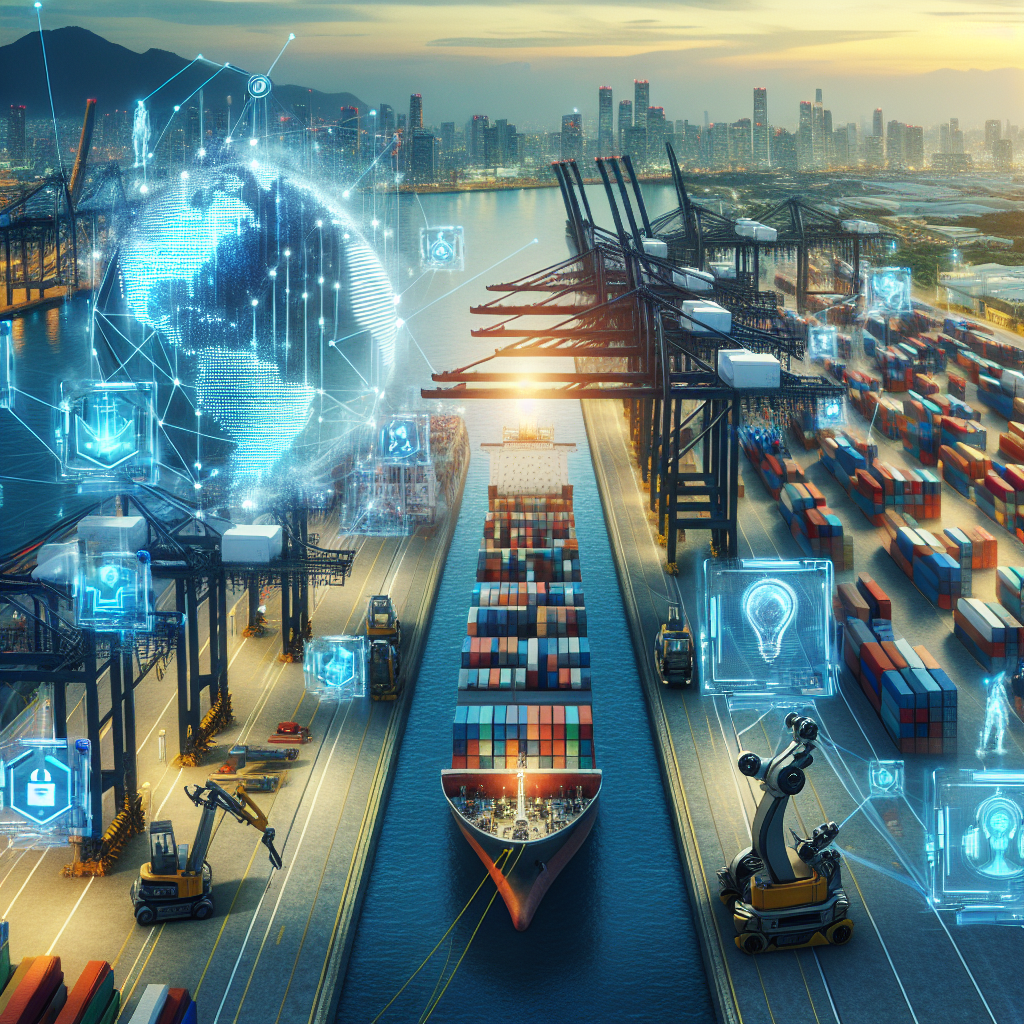
Enhancing Freight Forwarding with Artificial Intelligence
In today’s fast-paced world, the logistics industry is constantly faced with challenges such as increasing customer demands, fluctuating fuel prices, and the need for more efficient supply chain management. Freight forwarding, which involves the transportation of goods from one place to another, plays a crucial role in ensuring that goods are delivered in a timely and cost-effective manner.
One of the key technologies that has the potential to revolutionize the freight forwarding industry is artificial intelligence (AI). AI refers to the simulation of human intelligence processes by machines, particularly computer systems. By leveraging AI technologies, freight forwarders can streamline their operations, optimize their supply chains, and provide better services to their customers.
How AI is Enhancing Freight Forwarding
There are several ways in which AI is enhancing freight forwarding operations:
1. Predictive Analytics: AI algorithms can analyze historical data to predict future trends and patterns in the supply chain. This can help freight forwarders optimize their routes, reduce transportation costs, and improve delivery times.
2. Autonomous Vehicles: AI-powered autonomous vehicles can help freight forwarders reduce labor costs, improve safety, and increase efficiency. These vehicles can be used for last-mile delivery, long-haul transportation, and warehouse operations.
3. Demand Forecasting: AI can analyze customer demand patterns and predict future demand for specific products. This can help freight forwarders optimize their inventory levels, reduce stockouts, and improve customer satisfaction.
4. Smart Warehousing: AI-powered robots and drones can automate warehouse operations, such as picking, packing, and sorting. This can help freight forwarders reduce labor costs, increase accuracy, and improve efficiency.
5. Route Optimization: AI algorithms can analyze traffic patterns, weather conditions, and other factors to optimize delivery routes. This can help freight forwarders reduce transportation costs, improve delivery times, and reduce carbon emissions.
6. Customer Service: AI-powered chatbots can provide real-time customer support, track shipments, and answer customer queries. This can help freight forwarders improve customer satisfaction and loyalty.
7. Risk Management: AI algorithms can analyze data to identify potential risks in the supply chain, such as delays, disruptions, and security threats. This can help freight forwarders proactively address these risks and ensure smooth operations.
Frequently Asked Questions (FAQs)
Q: How can AI help freight forwarders reduce transportation costs?
A: AI algorithms can optimize delivery routes, analyze fuel consumption patterns, and predict future demand to help freight forwarders reduce transportation costs.
Q: How can AI improve customer service in the freight forwarding industry?
A: AI-powered chatbots can provide real-time customer support, track shipments, and answer customer queries, improving customer satisfaction and loyalty.
Q: What are some of the challenges in implementing AI in the freight forwarding industry?
A: Some of the challenges in implementing AI in the freight forwarding industry include data privacy concerns, lack of skilled AI professionals, and resistance to change from employees.
Q: How can freight forwarders ensure that AI algorithms are accurate and reliable?
A: Freight forwarders can validate AI algorithms by comparing their predictions with actual outcomes, conducting regular audits, and ensuring that the algorithms are trained on high-quality data.
Q: What are some of the potential benefits of using AI in freight forwarding?
A: Some of the potential benefits of using AI in freight forwarding include cost savings, improved efficiency, better customer service, and reduced risks in the supply chain.
In conclusion, artificial intelligence has the potential to revolutionize the freight forwarding industry by optimizing supply chain operations, reducing costs, and improving customer service. By leveraging AI technologies, freight forwarders can stay ahead of the competition and meet the growing demands of the modern logistics industry.